
.webp)

Immediate actions for reporting suspicious Crypto activity
To learn how to report suspicious crypto activity, you must immediately secure your remaining assets and document every detail of the unauthorized transaction. Speed is essential because blockchain transactions are irreversible; notifying the right parties within the first few hours significantly increases the chance of freezing funds before they are laundered through mixers.
Securing transaction logs and wallet data
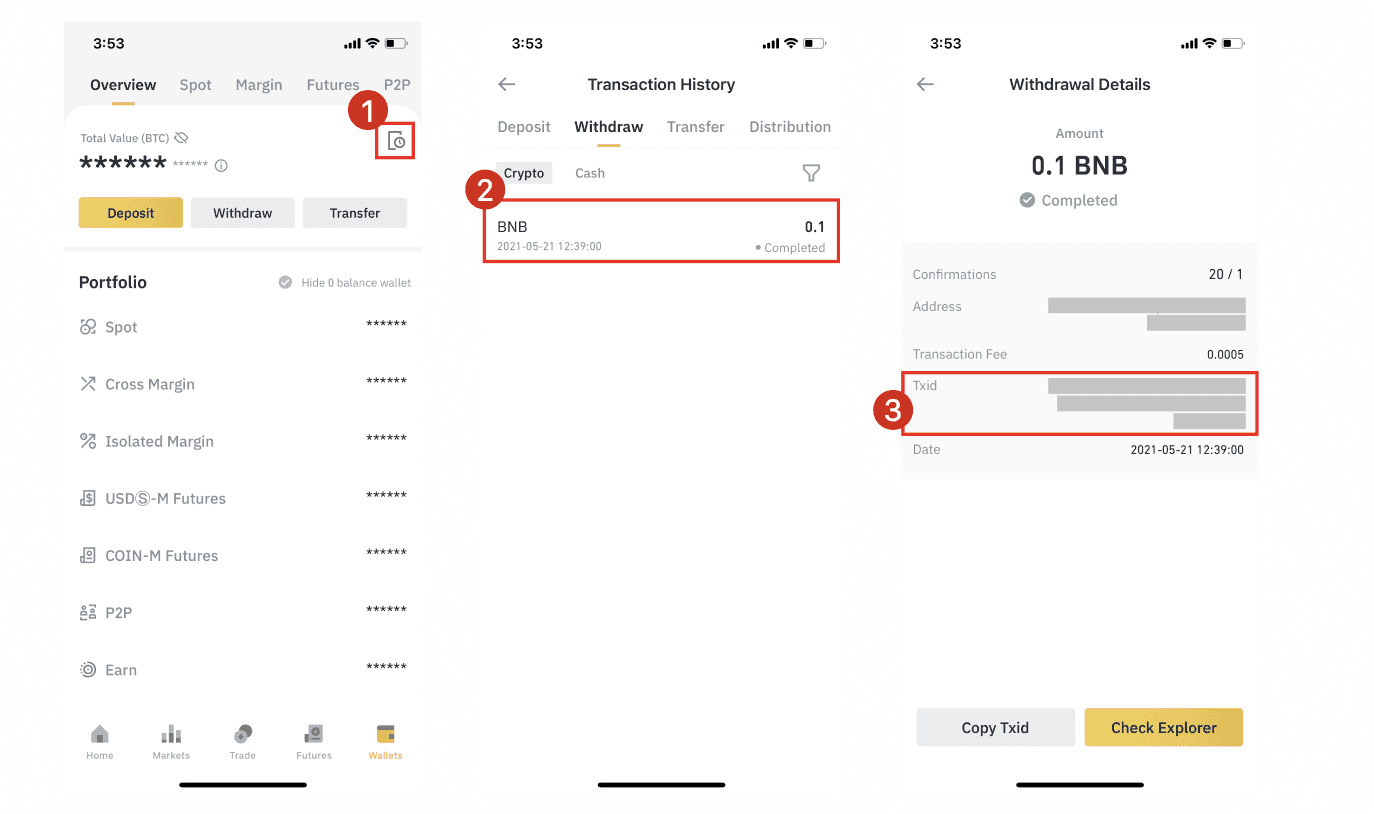
Before contacting authorities, create a comprehensive record of the incident. Export your wallet's transaction history as a CSV file and copy the specific transaction hash (TXID) from the blockchain explorer. This hash serves as the unique identifier for the movement of funds.
Take high-resolution screenshots of the suspicious wallet address, the timestamp of the event, and any communication logs if the incident involved a phishing attempt or a compromised platform account.
Notifying the exchange platform
If the suspicious activity involves a centralized exchange, submit an urgent support ticket marked as a security emergency. Most major platforms, such as Coinbase, Kraken, or Binance, have specific protocols for freezing accounts suspected of unauthorized access.
Provide the support team with the transaction hash and the destination address where your funds were sent. Request that they blacklist the destination address if it belongs to their platform, as this can prevent the attacker from cashing out. For those navigating the complexities of essential crypto due diligence, understanding these platform protocols is a vital layer of protection.
Filing reports with government agencies
Reporting to national authorities creates a legal paper trail that is often required by financial institutions to initiate internal investigations or insurance claims. These reports are aggregated by intelligence units to track broader criminal patterns.
Submitting a report to the FBI IC3
The Internet Crime Complaint Center (IC3) is the primary portal for reporting cyber-enabled financial fraud in the United States. Navigate to the official IC3 website and select the file a complaint option.
You will need to provide the victim's personal information, the financial loss amount, and the specific blockchain addresses involved. The data submitted here is shared with federal law enforcement agencies, which may use it to build cases against illicit entities.
Engaging local law enforcement
While local police may lack specialized cyber units, filing a report is a necessary step for insurance claims or legal proceedings. Request a formal police report number or case file reference.
This documentation proves to exchanges and banks that you have taken formal action, which is often a prerequisite for them to cooperate with subpoenas or court orders. If your case involves complex legal disputes, consulting with crypto lawyers web3 can provide the necessary guidance to navigate these institutional requirements.
Utilizing blockchain analysis tools for evidence
Public blockchain explorers allow anyone to view the movement of funds in real-time, providing transparency that traditional banking systems lack. Using these tools helps you understand where your assets have moved.
Tracing funds on block explorers
Use tools like Etherscan for Ethereum, Blockchain.com for Bitcoin, or Solscan for Solana to track your stolen assets. Enter your transaction hash to see the destination address. By clicking on the destination address, you can view its transaction history and current balance.
If the funds have moved to a known exchange deposit address, you can include this information in your report to the exchange, as they have the authority to freeze the account associated with that deposit.
Leveraging community-driven blacklists
Beyond official channels, consider reporting the malicious address to community-maintained databases like Chainabuse. These platforms aggregate reports from users to flag addresses associated with scams, phishing, or hacks. While not a legal authority, many wallet providers and decentralized applications integrate these blacklists to warn users before they interact with a compromised address, potentially preventing further victimization.
Understanding how to report suspicious crypto activity across jurisdictions
When you learn how to report suspicious crypto activity, you must recognize that international borders complicate recovery. If your funds were moved to an exchange based in a different country, you may need to file reports with that nation's financial intelligence unit (FIU).
For example, if funds hit a European exchange, look up the local FIU contact information. While you cannot force them to act, providing a formal report from your home country's law enforcement can sometimes trigger their internal compliance review processes.
Limitations of reporting suspicious crypto activity
Reporting is a critical step, but it is important to maintain realistic expectations regarding the outcome of your case. The decentralized nature of blockchain technology creates significant jurisdictional hurdles for law enforcement.
The reality of fund recovery
Reporting does not guarantee the return of stolen assets. Once funds are moved through decentralized mixers or non-custodial wallets, tracing becomes exponentially more difficult.
Many recovery services that promise to retrieve lost crypto are scams themselves. Only rely on official law enforcement channels and verified exchange support teams; never provide your private keys or seed phrases to anyone claiming they can recover your funds for a fee.
Frequently Asked Questions
Travel Rule requirements in crypto
The Travel Rule requires virtual asset service providers to collect and share personal information about the originators and beneficiaries of crypto transactions exceeding a specific threshold.
AML compliance standards for DeFi protocols
Regulatory requirements for DeFi are evolving, but many jurisdictions are increasingly applying Anti-Money Laundering (AML) standards to decentralized protocols that facilitate financial services.
Blockchain analytics role in AML enforcement
Blockchain analytics tools monitor on-chain activity to identify patterns associated with illicit behavior, such as interactions with sanctioned addresses or high-risk mixers.
Penalties for crypto non-compliance
Penalties for non-compliance include heavy fines, loss of operating licenses, and potential criminal charges for entities failing to adhere to AML and KYC regulations.
KYC mandates for crypto exchanges
Know Your Customer (KYC) is mandatory for most centralized exchanges operating in regulated markets to comply with global financial crime prevention standards.

