
.webp)
.png)
Core verification steps for BingX crypto exchange review
Evaluating a centralized exchange requires moving beyond crypto exchange marketing claims to test the actual friction points of account setup and security. For BingX, the process begins with a mandatory hardening of your account settings before any assets touch the platform. Users should prioritize these technical checkpoints to ensure their capital remains protected against unauthorized access.
Account security and 2FA implementation
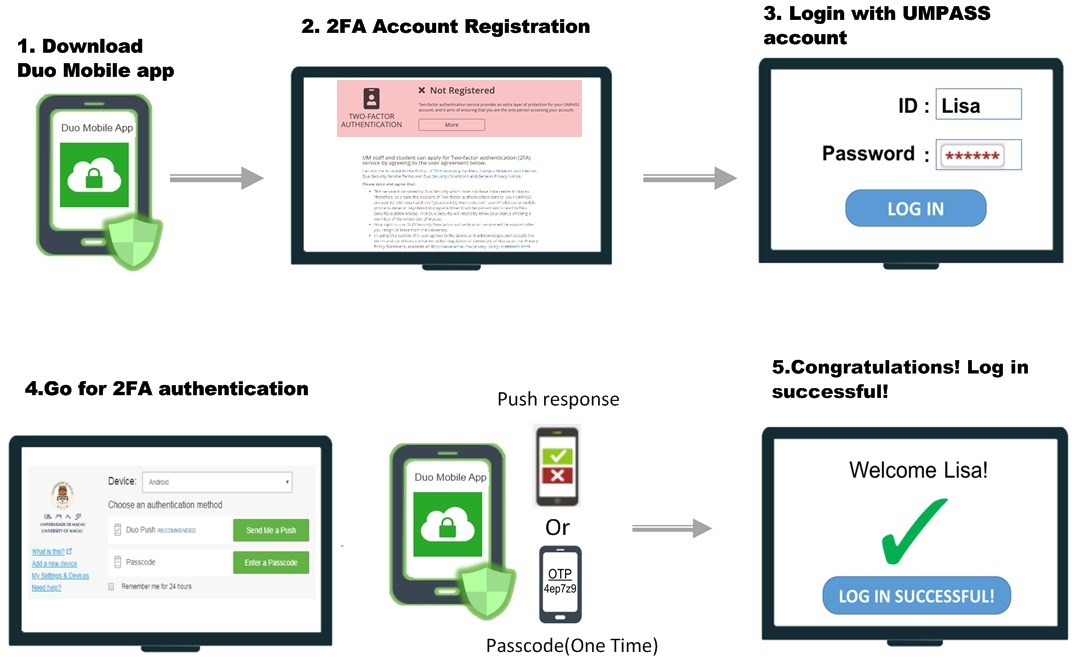
Before depositing funds, navigate to the 'Security Center' in your account dashboard. BingX mandates the use of Google Authenticator (GA) or a similar TOTP app for withdrawals and API key creation. Do not rely solely on SMS verification, as SIM-swapping attacks remain a common vector for exchange breaches.
Enable 'Anti-Phishing Code' immediately; this adds a unique string to all official emails from the platform, allowing you to instantly verify if a communication is legitimate or a spoofed attempt to harvest credentials. For high-volume traders, BingX supports hardware security keys (FIDO2/U2F), which provide a physical layer of protection that software-based 2FA cannot match.
KYC verification requirements
BingX enforces a tiered Know Your Customer (KYC) structure that directly dictates your daily withdrawal capacity. The 'Standard' verification requires a government-issued ID—such as a passport or driver’s license—and a facial scan performed via the mobile app. This process typically takes under 15 minutes, provided your documentation is clear and the lighting in your environment is sufficient for the biometric check.
Completing this primary level of identity verification is necessary to unlock the platform's full suite of features, including P2P trading and higher withdrawal limits. If you attempt to withdraw significant amounts without completing these steps, the system will trigger a hold.
Keep in mind that BingX reserves the right to request 'Advanced' verification—which includes proof of address—if your account activity patterns trigger their automated risk-monitoring algorithms. Always ensure the name on your exchange account matches your legal ID exactly to avoid delays during manual review periods.
Evaluating liquidity and order execution
Liquidity on BingX is primarily driven by its proprietary matching engine and integration with major liquidity provider partnerships. For high-frequency traders, the depth of the order book directly impacts slippage costs, especially during periods of extreme market volatility. BingX maintains a robust order book for top-tier assets like BTC/USDT and ETH/USDT, ensuring that large market orders can be filled without significant price impact. If you are looking for cryptocurrency exchanges depth, it is vital to compare these metrics across platforms.
Spread analysis on high-volume pairs
To assess BingX, compare its real-time spreads against industry leaders like Binance or Bybit. During standard trading hours, the BTC/USDT spread on BingX typically hovers between 0.1 and 0.5 pips, which is competitive for a mid-tier exchange.
However, during low-liquidity windows—such as weekend sessions or major holidays—you may notice the spread widening significantly compared to Tier-1 exchanges. Traders should monitor the 'Order Book Depth' widget in the trading interface to verify that the available volume at the best bid/ask price aligns with their position size before executing a market order.
Order type availability
Effective risk management relies on the ability to automate entries and exits. BingX provides a comprehensive suite of order types that go beyond basic market execution:
- Limit Orders: Essential for capturing specific price points, allowing traders to set a fixed price and wait for the market to reach it.
- Market Orders: Used for immediate execution at the best available current price, though these carry the highest risk of slippage.
- Trigger Orders: These are critical for stop-loss and take-profit strategies. By setting a trigger price, the system automatically places a limit or market order once the asset hits a pre-defined level.
- Trailing Stop Orders: A sophisticated tool that allows a stop-loss to follow the price trend, locking in profits while protecting against sudden reversals.
Using these tools effectively requires understanding the difference between 'Last Price' and 'Mark Price' triggers on the platform. BingX uses the Mark Price to trigger liquidations, which helps prevent unnecessary position closures caused by temporary wick spikes on a single exchange. Always verify your trigger settings before confirming a trade to ensure your risk parameters are aligned with your strategy.
Assessing copy trading and social features
BingX distinguishes itself through a robust BingX copy trading features that allows users to mirror the positions of experienced traders. Unlike platforms that hide historical data, BingX provides a transparent dashboard where you can analyze the track record of lead traders before allocating capital. Success in this environment requires a disciplined approach to vetting signal providers rather than chasing short-term gains.
Lead trader performance filtering
To identify reliable signal providers, navigate to the 'Copy Trading' section and utilize the advanced filter tools. Focus on the 'ROI' (Return on Investment) metric over a 90-day period rather than 7-day spikes, which often indicate high-risk, unsustainable strategies. A consistent trader typically displays a steady equity curve rather than sharp vertical jumps.
Crucially, examine the 'Max Drawdown' statistic. A lead trader with an ROI of 50% but a 40% drawdown is significantly riskier than one with a 20% ROI and a 5% drawdown. Look for traders who maintain a 'Win Rate' above 60% while keeping their average loss per trade lower than their average profit. This ratio, often referred to as the Profit Factor, is a better indicator of long-term viability than total follower count.
Risk management settings for followers
Automated copying does not equate to passive income; it requires active risk configuration. When you click 'Copy' on a selected trader, BingX prompts you to set specific parameters. Never leave these at default settings.
First, define your 'Fixed Margin' or 'Proportional' allocation. For beginners, a fixed margin per trade prevents a single large position from depleting your entire wallet balance. Set a 'Daily Copy Trading Limit' to cap your exposure if a trader suddenly pivots to high-frequency, aggressive scalping.
Additionally, configure individual 'Stop-Loss' ratios for each copy relationship. If the lead trader fails to exit a losing position, your account will automatically trigger a sell order once the loss hits your predefined threshold, such as 10% of the position value. This safeguard ensures that a single bad call by a lead trader does not result in a catastrophic loss for your portfolio.
Fee structure and cost optimization
BingX utilizes a tiered fee model that fluctuates based on your 30-day trading volume and account status. For standard spot trading, the platform typically charges a flat fee of 0.1% for both makers and takers. However, high-volume traders can significantly reduce these costs by hitting specific volume thresholds or holding the platform's native token, which provides a rebate mechanism on transaction fees. If you are seeking crypto exchanges low fees, always check the latest tier requirements.
Spot vs derivatives fee comparison
Understanding the distinction between spot and derivatives pricing is essential for any BingX crypto exchange review. Spot trading fees are straightforward, but derivatives trading introduces a more complex cost layer involving maker/taker spreads and funding rates.
In the derivatives market, BingX generally charges 0.02% for makers and 0.05% for takers on standard perpetual futures. This structure is designed to incentivize liquidity provision. When evaluating your strategy, consider the following trade-offs:
- Spot Trading: Best for long-term holders. The 0.1% fee is predictable, but frequent small trades can erode capital quickly.
- Perpetual Futures: Lower base fees (0.02% to 0.05%) make these instruments cheaper for high-frequency strategies. However, you must account for the funding rate—a periodic payment exchanged between long and short positions to keep the contract price aligned with the spot index.
To optimize your costs, monitor the funding rate intervals, which occur every eight hours. If you are holding a position during the settlement period, you may pay or receive a fee depending on market sentiment. Traders often exit positions just before the funding timestamp to avoid unexpected charges, though this requires precise timing and execution. Additionally, using the platform's copy trading feature may incur a profit-sharing fee, usually ranging from 8% to 15% of the gains generated, which should be factored into your overall return on investment calculations.
Platform limitations and risk disclosures
Evaluating a trading venue requires a sober assessment of where it falls short. While BingX offers a broad suite of derivatives and copy trading features, users must account for specific structural risks inherent to its operational model. Understanding these boundaries is essential for protecting your capital against unexpected account freezes or liquidity gaps.
Jurisdictional restrictions and regulatory status
BingX operates as a global entity, but its services are not universally accessible. The platform explicitly restricts users from several high-scrutiny jurisdictions, including the United States, Canada, and certain regions under international sanctions. Attempting to bypass these geo-blocks via VPN is a violation of the Terms of Service and typically results in immediate account termination and asset forfeiture during the mandatory KYC verification process.
Before depositing funds, verify your status on the official BingX restricted countries list. Unlike centralized exchanges with local licenses in every operating territory, BingX relies on a mix of offshore registrations and MSB (Money Services Business) licenses in specific jurisdictions. This regulatory posture means that if a dispute arises, your crypto legal recourse may be limited to the laws of the jurisdiction where the exchange is incorporated, rather than your home country.
Asset custody and insurance fund management
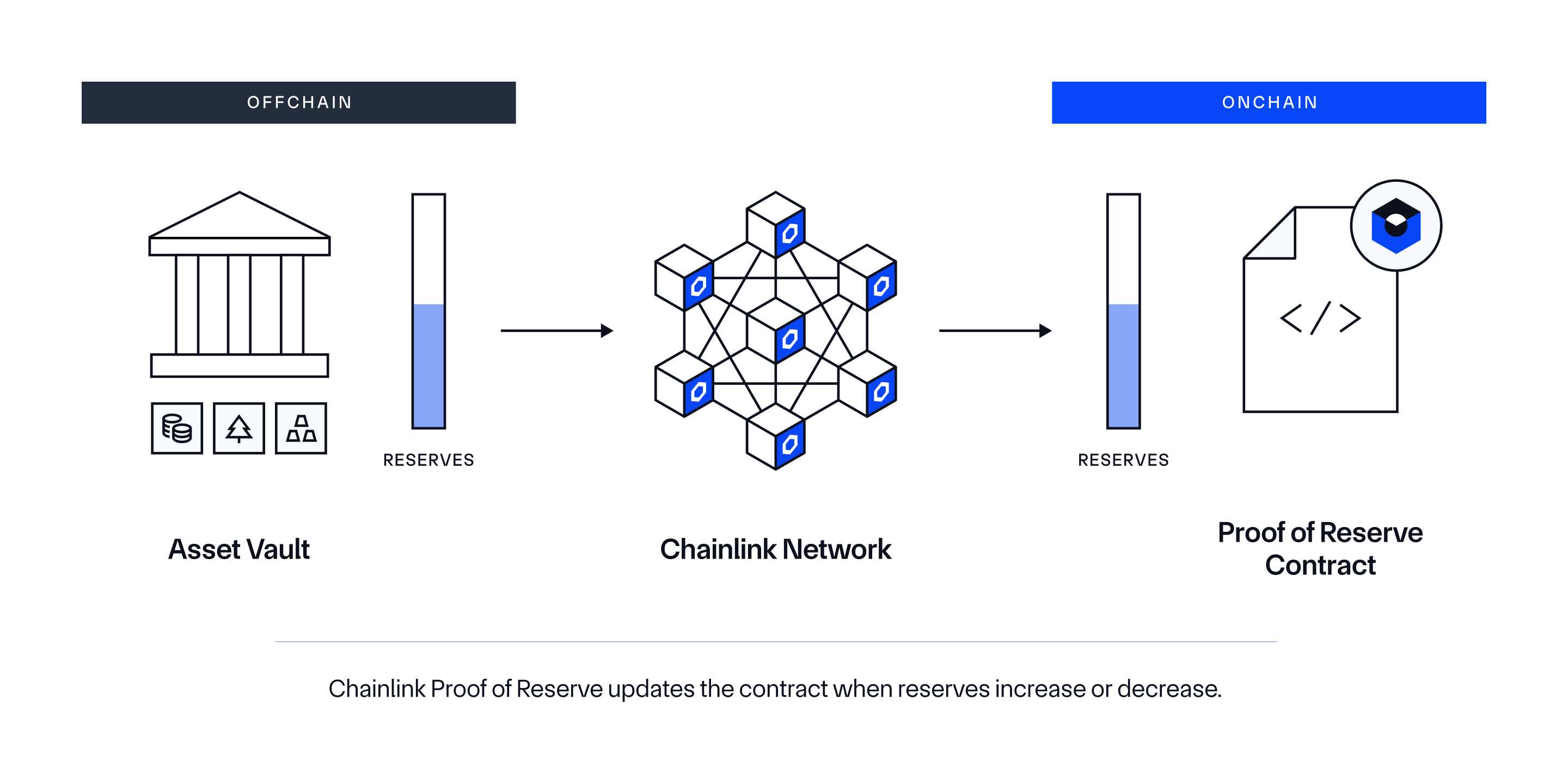
BingX utilizes a combination of hot and cold wallet storage to manage liquidity. While the exchange publishes a Proof of Reserves (PoR) report using Merkle Tree verification, this only confirms that the platform holds the assets it claims to have at a specific snapshot in time. It does not guarantee the solvency of the platform during a sudden bank run or a systemic market crash.
The exchange maintains a "User Protection Fund" intended to cover losses resulting from platform-side security breaches or extreme technical failures. However, this fund is not a government-backed insurance scheme like the FDIC in the United States. In the event of a catastrophic hack or insolvency, the fund's capacity to reimburse all users is untested against large-scale losses. Traders should treat funds held on BingX as "at-risk" capital and avoid keeping significant long-term holdings in the exchange wallet, preferring hardware wallets for cold storage instead. For those interested in the broader landscape, understanding crypto exchange marketing can provide insight into how platforms build trust and user bases.
Frequently Asked Questions
Essential security features for a BingX crypto exchange review
Focus on their proof-of-reserves (PoR) reports, the implementation of multi-signature cold storage, and the availability of a user protection fund. Verify these against current industry standards for centralized exchanges.
Methods for evaluating competitive fee structures
Calculate your total cost of ownership by comparing the maker/taker fees against your average monthly trading volume. Factor in withdrawal fees and any potential spread costs during high volatility, as these often outweigh base trading commissions.

