
.webp)
.png)
ChatGPT Ads in 2026: How They Work, Costs, and Optimization Strategies provides a new way for businesses to reach audiences within AI-powered conversations. Instead of appearing alongside traditional search results, sponsored placements appear beneath ChatGPT responses when products or services match the context of a user's inquiry. This development introduces a different approach to digital advertising, one that emphasizes contextual relevance and user intent.
For marketers, the emergence of these ads raises several important questions: How does the advertising system work? Who can advertise on the platform? How much do campaigns cost? What targeting options are available? And how can businesses measure whether this new channel contributes to their marketing objectives?
This guide explores the essential aspects of ChatGPT Ads, from campaign setup and pricing to performance measurement, optimization, and practical applications across industries.
1. Understanding ChatGPT Ads in 2026: How They Work, Costs, and Optimization Strategies
ChatGPT Ads are paid advertising placements displayed within the ChatGPT experience. They allow businesses to promote their products, services, or brands when users explore relevant topics, research solutions, or compare alternatives.
| Feature | Description |
|---|---|
| Conversational context | Ads may be selected based on the subject and intent of a user's conversation. |
| Sponsored labeling | Advertisements are clearly identified and separated from organic responses. |
| Context hints | Advertisers can provide topics and keywords to guide ad relevance. |
| Campaign management | Eligible businesses can manage campaigns through OpenAI Ads Manager. |
| Performance tracking | Advertisers can monitor impressions, clicks, spending, and supported conversion events. |
| Privacy protection | Advertisers do not receive access to users' private conversations or chat histories. |
Unlike traditional search advertising, which often relies on explicit keywords, ChatGPT Ads consider the context of a user's conversation to identify potentially relevant placements. To ensure your brand remains visible, you should also focus on content optimization dominate to capture organic traffic alongside your paid efforts.
For example:
- A user researching project management software may encounter an advertisement for a business productivity platform.
- Someone exploring online learning options may see a relevant education service.
- A person comparing website development solutions may encounter a sponsored placement from a technology provider.
These examples illustrate potential contextual matches rather than guaranteed placements.
OpenAI introduced its initial advertising test in the United States on February 9, 2026, with subsequent expansion into additional markets.
Key Characteristics of ChatGPT Ads
2. How Do ChatGPT Ads Work?
ChatGPT Ads operate through an advertising system that evaluates the relevance of sponsored content to the user's current interaction.

According to OpenAI's documentation, several signals can contribute to ad matching, including conversation context, advertiser-provided information, creative content, and landing page relevance.
The ChatGPT Ads Delivery Process
Step 1: A user starts a conversation
The user asks a question, explores a topic, or requests assistance with a particular task.
Step 2: The system evaluates relevance
The advertising system considers whether eligible advertisements are appropriate for the topic and context of the conversation.
Step 3: Eligible advertisements are evaluated
Relevant advertisements may be assessed using factors such as contextual fit and advertiser bids.
Step 4: A sponsored placement appears
An eligible advertisement may be displayed beneath the ChatGPT response, clearly labeled as sponsored content.
Step 5: The user decides whether to engage
Users can click through to the advertiser's website or continue their conversation without interacting with the advertisement.
Do ChatGPT Ads Influence AI Responses?
No. OpenAI states that advertisements do not influence the answers generated by ChatGPT. Advertisers cannot pay to modify, rank, or alter organic responses.
This separation is important for maintaining transparency. A sponsored placement represents paid advertising, not an endorsement or recommendation generated by the assistant.
For businesses, this means advertising success depends on the relevance and quality of the sponsored content rather than the ability to influence the AI's answers. If you are scaling your outreach, consider integrating web3 market strategy frameworks to align your paid ads with your broader sales goals.
3. ChatGPT Ads Formats and Creative Requirements
ChatGPT Ads are designed to fit within the conversational interface while remaining distinguishable from organic responses.
The documented advertising unit includes several elements:
| Component | Function | Creative Consideration |
|---|---|---|
| Advertiser name | Identifies the business. | Use consistent brand naming. |
| Favicon | Displays the brand's visual identity. | Ensure the website icon is recognizable. |
| Headline | Communicates the main value proposition. | Focus on a specific benefit or customer need. |
| Description | Provides supporting information. | Explain the offering clearly and concisely. |
| Image | Reinforces the advertisement visually. | Use relevant, high-quality creative assets. |
| Landing page | Directs users to the destination website. | Ensure the page fulfills the advertisement's promise. |
4. Who Can Advertise on ChatGPT in 2026?
ChatGPT Ads are available to advertisers in supported markets through OpenAI's advertising program. Access may be provided through direct platform access, authorized partners, or self-service tools, depending on the market and account eligibility.
As of September 2026, Vietnam is listed among the countries supporting self-service access through OpenAI Ads Manager.
Businesses interested in advertising should verify their eligibility and review the current registration requirements before planning campaigns.
How to Access OpenAI Ads Manager
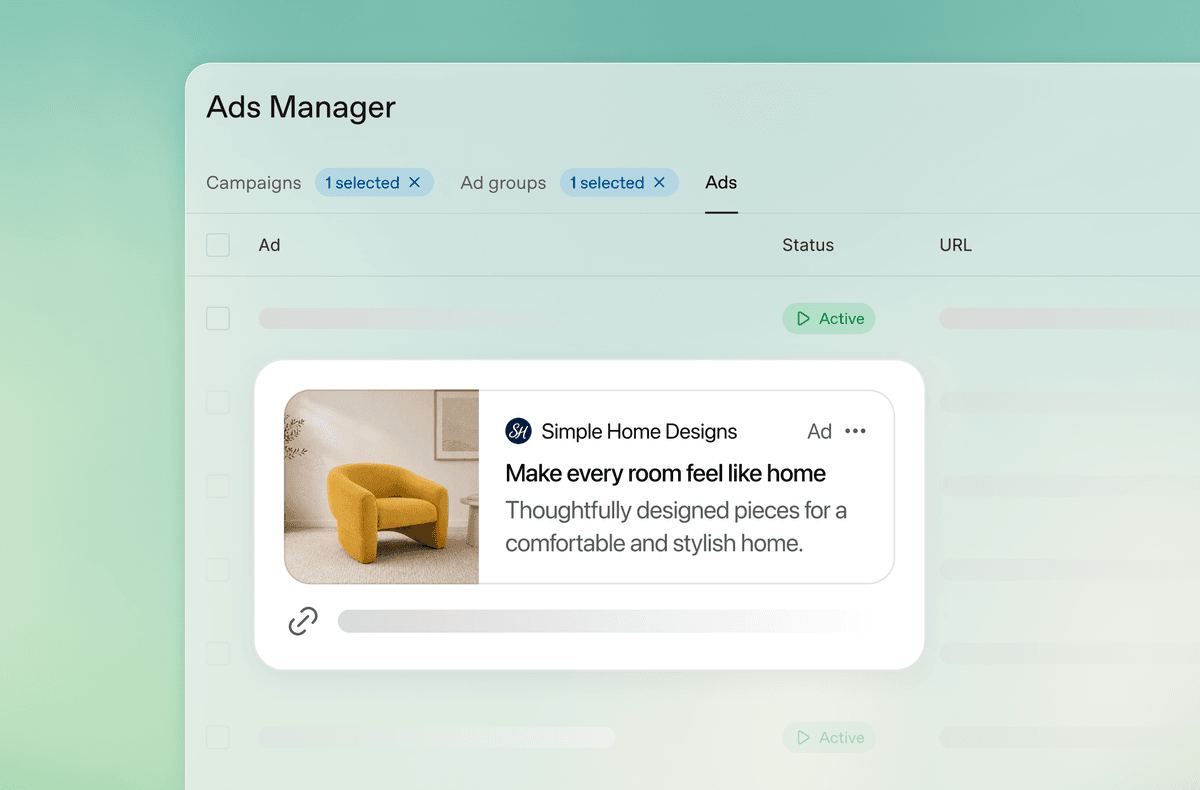
- Visit OpenAI Ads Manager.
- Create an account or sign in.
- Review country availability and business eligibility.
- Complete the required account and billing information.
- Follow the campaign setup instructions.
Creating an account does not necessarily guarantee immediate advertising access. Eligibility, supported features, and market availability may change as the platform expands.
For the latest information, consult the official Ads Manager availability documentation.
5. How to Set Up a ChatGPT Ads Campaign
Launching a ChatGPT Ads campaign requires a clear objective, well-structured ad groups, relevant creative assets, and appropriate budget settings.
The following workflow provides a practical starting point for businesses entering the platform.
Step 1: Define Your Advertising Objective
Before creating a campaign, identify the outcome your business wants to achieve.
Common objectives include:
- Brand awareness: Introduce a business or product to a relevant audience.
- Website traffic: Encourage users to explore a website or landing page.
- Lead generation: Attract potential customers who may be interested in a product or service.
- Conversions: Optimize toward supported actions such as registrations or other defined events.
The campaign objective should reflect the business's actual priorities. A company launching a new product, for example, may initially focus on awareness and traffic before evaluating conversion performance.
Step 2: Organize Campaigns and Ad Groups
Campaigns define the broader marketing initiative, while ad groups allow advertisers to organize different contextual themes, bids, and creative variations.
A SaaS company might structure its campaign as follows:
Campaign: Business Productivity Software
- Ad Group 1: Workflow automation.
- Ad Group 2: Team collaboration.
- Ad Group 3: Project management.
- Ad Group 4: Business process optimization.
This structure makes it easier to analyze which themes attract engagement and whether different customer needs require distinct messaging.
Step 3: Prepare Your Creative Assets
Develop headlines, descriptions, images, and landing pages that communicate the product's value.
Before submission, check that:
- The headline clearly identifies the offering or benefit.
- The description provides useful supporting information.
- The creative accurately represents the product.
- The landing page is relevant and functional.
- All claims are accurate and supportable.
- The call to action is clear.
Step 4: Configure Context Hints
Context hints help describe the conversations and topics where an advertisement may be relevant.
For a customer relationship management platform, potential hints might include:
- CRM software for small businesses.
- Sales pipeline management.
- Customer relationship management tools.
- Sales team productivity.
- Business workflow automation.
Avoid using broad, unrelated terms simply to increase potential exposure. Context hints should reflect genuine customer needs and the product's actual use cases.
Step 5: Set Your Budget and Bids
Configure the campaign budget and maximum bids according to your objectives and financial limits.
OpenAI's documentation recommends an initial maximum CPC bid of approximately $3–$5 for CPC campaigns. This is a starting recommendation, not a guaranteed average cost or fixed advertising price.
Step 6: Review and Launch
Before launching, verify campaign settings, creative assets, landing page functionality, tracking parameters, and policy compliance.
Once the campaign is active, monitor delivery and performance before making substantial budget adjustments.
6. How to Develop Better Context Hints
A useful process involves:
- Identifying the customer's primary problem.
- Understanding the topics associated with researching a solution.
- Including relevant product and category terminology.
- Separating different customer needs into distinct themes.
- Reviewing campaign delivery and engagement.
- Refining hints based on actual performance.
For example, a cybersecurity company may find it more useful to describe contexts such as cloud security, endpoint protection, or enterprise risk management than to rely exclusively on the broad term "technology."
The objective is to help the system understand where the offering may be relevant while avoiding the assumption that any particular hint guarantees an advertisement's appearance.
7. How to Optimize ChatGPT Ads Performance
Launching a campaign is only the first step. Sustainable performance requires continuous testing, measurement, and refinement.
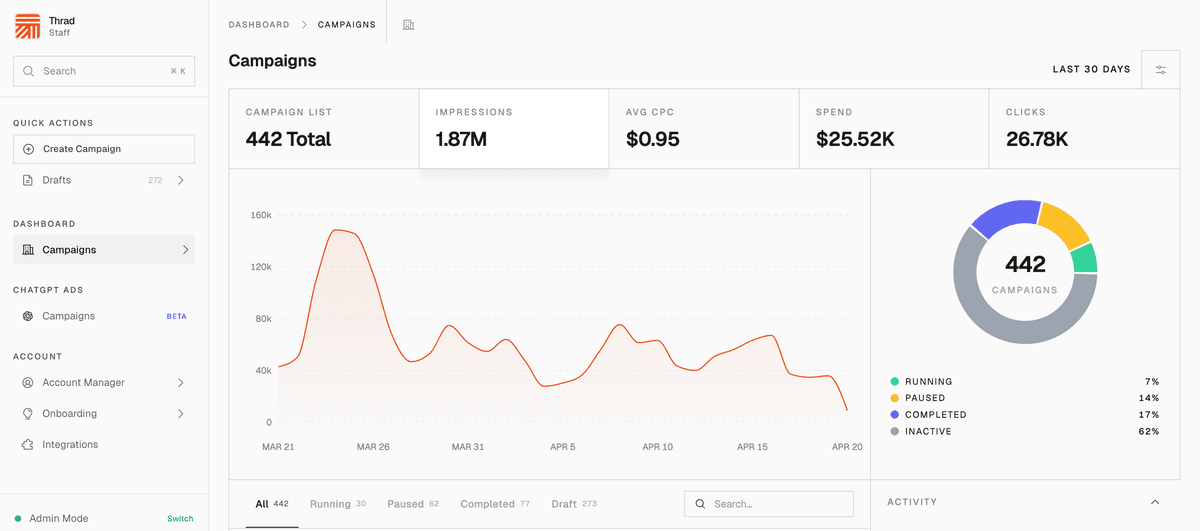
Strategy 1: Align Messaging with Customer Needs
Generic advertisements often fail to explain why a product matters.
Instead of focusing exclusively on features, connect the offering to a recognizable customer problem.
For example, a project management platform can emphasize improved visibility across teams rather than simply describing itself as an advanced software solution.
Strategy 2: Test Multiple Headlines
Develop several headline variations that communicate different benefits.
For example:
- Simplify Team Project Management.
- Keep Distributed Teams Aligned.
- Organize Projects and Workflows in One Place.
- Improve Visibility Across Team Operations.
Test meaningful variations systematically to understand which messages attract relevant visitors.
Strategy 3: Improve Landing Page Relevance
An advertisement should direct users to a page that fulfills the expectation created by its message.
A focused landing page should include:
- A clear headline.
- A concise explanation of the offering.
- Relevant product benefits.
- Screenshots or demonstrations where appropriate.
- Trust signals and supporting information.
- A prominent call to action.
- Mobile-friendly design and fast loading performance.
A mismatch between the advertisement and its destination can create friction and reduce conversion opportunities. If you struggle with high bounce rates, consider applying powerful seo strategies to your landing pages.
Strategy 4: Track Campaign Performance
Use consistent UTM parameters to identify ChatGPT Ads traffic in analytics platforms.
Example:
?utm_source=chatgpt&utm_medium=paid&utm_campaign=saas_launch_2026
A consistent naming convention makes it easier to compare campaigns and distinguish paid traffic from other acquisition channels.
Strategy 5: Optimize for Conversion Quality
Clicks and impressions are useful indicators, but they do not necessarily represent business value.
For lead-generation campaigns, assess whether inquiries are relevant and qualified. For e-commerce campaigns, evaluate completed purchases and revenue. For SaaS businesses, consider registrations, product activation, and downstream customer value where measurement capabilities permit.
Strategy 6: Establish a Structured Testing Cycle
| Period | Primary Focus | Key Activities |
|---|---|---|
| Week 1 | Campaign validation | Check delivery, spending, tracking, and creative quality. |
| Week 2 | Creative testing | Compare headlines, descriptions, and engagement metrics. |
| Week 3 | Landing page optimization | Evaluate conversion rates and improve calls to action. |
| Week 4 | Performance review | Assess acquisition costs and identify opportunities for controlled budget adjustments. |
8. ChatGPT Ads Best Practices for Different Industries
Different industries have distinct customer journeys, purchase cycles, and conversion requirements. Campaign messaging and measurement should reflect these differences.
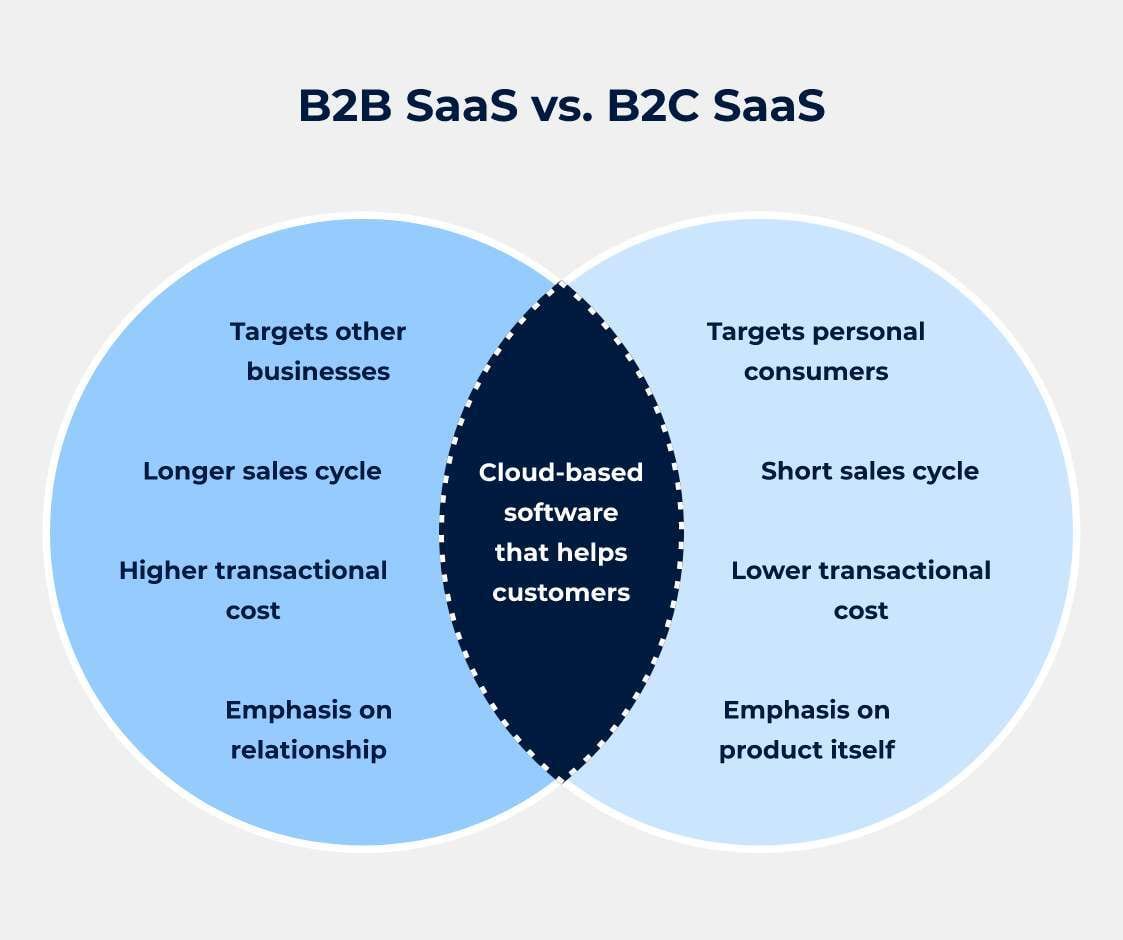
SaaS and B2B Technology
B2B buyers often research multiple solutions before contacting a vendor. If you are in this space, you should also look into saas seo strategies to ensure your messaging resonates with decision-makers.
Potential campaign themes include workflow automation, team collaboration, enterprise software evaluation, and digital transformation.
Recommended considerations:
- Use specific use-case messaging.
- Link to relevant product or solution pages.
- Provide clear information about capabilities.
- Measure qualified leads rather than raw inquiries alone.
E-commerce
E-commerce businesses can explore product discovery and shopping-related conversations.
Recommended considerations:
- Use accurate product images.
- Maintain consistent pricing and availability information.
- Simplify the purchasing process.
- Evaluate completed purchases and revenue rather than traffic volume alone.
Education and Online Learning
Education providers can focus on learning objectives, professional development, and skills acquisition.
| Period | Primary Focus | Key Activities |
|---|---|---|
| Week 1 | Campaign validation | Check delivery, spending, tracking, and creative quality. |
| Week 2 | Creative testing | Compare headlines, descriptions, and engagement metrics. |
| Week 3 | Landing page optimization | Evaluate conversion rates and improve calls to action. |
| Week 4 | Performance review | Assess acquisition costs and identify opportunities for controlled budget adjustments. |
Recommended considerations:
- Communicate course outcomes clearly.
- Avoid unsupported guarantees about employment or academic results.
- Provide transparent information about course structure and fees.
- Track registrations and meaningful learner engagement.
Financial Technology
Fintech businesses may explore contextual opportunities related to business payments, accounting tools, and financial workflows. For these brands, implementing tech strategies work is essential for building trust in a regulated environment.
However, financial services are subject to advertising policies and applicable regulations. Advertisers should verify eligibility, ensure that claims are accurate, and avoid implying guaranteed financial outcomes.
Marketing and Professional Services
Agencies and service providers can focus on conversations involving business challenges, marketing strategy, and operational needs.
Relevant themes may include lead generation, marketing automation, SEO services, and brand strategy.
A focused landing page with clear deliverables and qualification criteria can help users determine whether the offering matches their needs.
9. Privacy, Brand Safety, and Advertising Policies
Advertising within a conversational AI environment introduces important considerations around user privacy, transparency, and trust.
OpenAI has published several principles governing its advertising program.
Clear identification of sponsored content: Advertisements are labeled and visually separated from organic ChatGPT responses.
Conversation privacy: Advertisers do not receive users' conversations, chat histories, memories, or personal details. They receive aggregated, non-identifying performance information.
Separate answer generation: Advertising does not influence ChatGPT's responses.
User control: Eligible users can manage available advertising preferences and controls.
Policy compliance: Advertisers must follow platform restrictions and applicable legal requirements.
Businesses should review the latest policies before launching campaigns, particularly when promoting products or services in regulated categories.
Transparency is not only a platform requirement but also an important consideration for maintaining a trustworthy customer experience.
Frequently Asked Questions
1. What are ChatGPT Ads?
ChatGPT Ads are sponsored advertising placements displayed within ChatGPT. They allow businesses to promote products and services in contexts where their offerings may be relevant to users' conversations.
2. Are ChatGPT Ads available in Vietnam?
Yes. As of September 2026, Vietnam is listed as a supported country for self-service access through OpenAI Ads Manager, subject to eligibility requirements.
3. How do I advertise on ChatGPT?
Businesses can begin by visiting ads.openai.com, registering an account, completing the required setup, and creating campaigns through Ads Manager if eligible.
4. How much do ChatGPT Ads cost?
Costs depend on the buying model, campaign settings, bids, and delivery. OpenAI supports impression-based and click-based buying, alongside conversion optimization options.
5. Do ChatGPT Ads affect AI-generated answers?
No. OpenAI states that advertisements operate separately from ChatGPT's answer-generation system and do not influence the responses users receive.
6. Can advertisers see users' ChatGPT conversations?
No. Advertisers do not have access to users' conversations, chat histories, memories, or personal details. They receive aggregated, non-identifying performance reporting.

