
.webp)
.png)
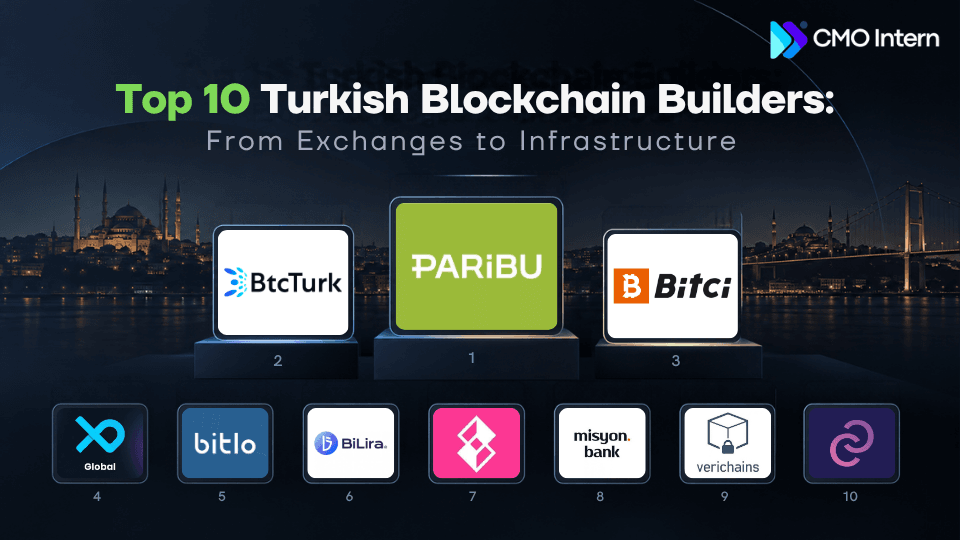
The Top 10 Turkish Blockchain Builders: From Exchanges to Infrastructure represent a diverse ecosystem that has transformed the country into a significant hub for digital asset innovation. This list highlights companies ranging from established cryptocurrency exchanges to specialized developers working on tokenization, stablecoins, and enterprise-grade financial technology. Beyond its active retail trading community, Turkey is home to firms exploring how blockchain can support digital ownership, institutional custody, and new forms of economic participation.
What makes the Turkish blockchain ecosystem particularly worth watching is its diversity. Some companies focus on making digital assets accessible to everyday users, while others work behind the scenes to develop the technology that enables token issuance, custody, and blockchain-based financial products. Together, they illustrate how the industry is evolving from a trading-focused market into a broader digital asset economy.
For businesses, investors, and technology professionals exploring the region, understanding these companies offers a useful perspective on where Turkish blockchain innovation is taking shape. This list highlights the Top 10 Turkish Blockchain Builders: From Exchanges to Infrastructure, each contributing to a different part of the ecosystem.
How We Selected These Turkish Blockchain Companies
This list considers companies based on their relevance to the Turkish blockchain ecosystem, the nature of their products and services, their industry presence, and their contribution to digital asset development. Rather than ranking businesses solely by trading volume or company size, the selection takes a broader view of blockchain innovation, recognizing that meaningful contributions can come from both consumer-facing platforms and specialized blockchain development companies.
The companies featured here represent several areas of the industry, including cryptocurrency trading, blockchain networks, stablecoins, tokenization, digital asset custody, and blockchain development. They are presented as notable examples of the ecosystem rather than a definitive ranking of market leaders.
Top 10 Turkish Blockchain Builders: From Exchanges to Infrastructure
1. Paribu
Category: Cryptocurrency Exchange and Blockchain Ecosystem

Founded in 2017, Paribu is one of the most recognizable names in Turkey's digital asset industry. The company operates a cryptocurrency trading platform and has expanded its activities beyond exchange services, positioning itself as a broader participant in the country's blockchain ecosystem. Its development reflects the evolution of the Turkish crypto market, where platforms are increasingly expected to offer more than basic buying and selling functionality.
Paribu's approach combines digital asset services with ecosystem development, including initiatives related to blockchain education, technology, and industry engagement. This broader perspective makes it an interesting example of how an exchange can build a presence beyond its core trading product.
For businesses and professionals observing the Turkish market, Paribu provides a useful case study in the development of a locally established digital asset platform. Its role illustrates how exchanges can contribute to market accessibility while participating in conversations about the future of blockchain adoption.
What makes it notable: Paribu combines an established trading presence with a wider commitment to blockchain ecosystem development, making it relevant to both retail users and industry stakeholders.
2. BtcTurk
Category: Cryptocurrency Exchange and Digital Financial Services
BtcTurk is another established participant in Turkey's cryptocurrency market, known for its Bitcoin-focused origins and continued development of digital financial services. The company has built its presence around making cryptocurrency transactions accessible through Turkish lira and has expanded its offering to address a wider range of investment needs.
Its broader direction reflects an important shift in the industry: digital asset platforms are increasingly exploring how cryptocurrency services can coexist with traditional financial products. BtcTurk's positioning around both cryptocurrency and capital market instruments highlights this convergence between established finance and emerging digital asset technology.
Beyond its consumer-facing platform, BtcTurk's continued investment in technology and financial services makes it a relevant example of how Turkish companies are adapting to a changing investment landscape.
What makes it notable: BtcTurk demonstrates how a cryptocurrency-focused business can expand toward a broader financial services model while maintaining its roots in the digital asset ecosystem.
3. Bitci
Category: Blockchain Network, Exchange, and Fan Token Technology
Bitci stands out among Turkish blockchain companies for its work in blockchain-based fan engagement and digital asset infrastructure. Through Bitcichain, the company has developed a blockchain network that supports digital token projects, including applications connected to sports organizations and entertainment communities.
One of Bitci's distinctive areas of activity is fan tokens, which provide an example of how blockchain technology can be applied to digital engagement. Rather than focusing exclusively on financial transactions, these projects explore how token-based systems can create new interactions between organizations and their audiences.
The company also operates a cryptocurrency trading platform and supports projects through its launchpad ecosystem. This combination of exchange services, blockchain infrastructure, and token-based applications gives Bitci a position that extends across multiple parts of the digital asset value chain.
What makes it notable: Bitci connects blockchain infrastructure with practical engagement use cases, particularly in sports and entertainment, demonstrating the technology's potential beyond conventional cryptocurrency trading.
4. Bitexen
Category: Digital Asset Exchange and Blockchain Solutions
Bitexen is a Turkish technology company operating in the digital asset industry, with activities spanning cryptocurrency trading, blockchain-based asset creation, and white-label solutions. Its business model is particularly interesting because it addresses both individual users and organizations looking to participate in the digital asset ecosystem.
Through its technology services, Bitexen supports the creation of digital assets tailored to different use cases, including utility, payment, and other token-based applications. Its white-label offering also reflects a growing demand for infrastructure that allows businesses to enter the digital asset market without developing every component independently.
In addition to its technology products, Bitexen provides educational content through Bitexen Research, helping users understand developments in blockchain and digital assets. This combination of infrastructure, services, and knowledge sharing gives the company a broader role than that of a conventional trading platform.
What makes it notable: Bitexen combines exchange operations with digital asset creation and white-label technology, making it relevant to organizations exploring blockchain-based products.
5. Bitlo
Category: Cryptocurrency Exchange and Digital Asset Services
Bitlo is a Turkish digital asset platform that has contributed to the accessibility of cryptocurrency trading in the local market. Its consumer-facing services focus on helping users engage with digital assets through a platform designed around the needs of Turkish investors.
Beyond its exchange operations, Bitlo's position in the market reflects the importance of user experience and accessibility in cryptocurrency adoption. As digital assets become more familiar to a wider audience, platforms must make complex financial technology easier to navigate without losing sight of the underlying infrastructure.
The company's presence also highlights the variety of businesses operating within Turkey's digital asset ecosystem. While some players emphasize proprietary blockchain networks or enterprise solutions, platforms such as Bitlo illustrate the continuing role of accessible trading services in bringing users into the market.
What makes it notable: Bitlo represents the consumer-facing side of Turkey's blockchain industry, where usability and access to digital assets remain important parts of ecosystem growth.
6. BiLira
Category: Stablecoin and Blockchain-Based Financial Technology
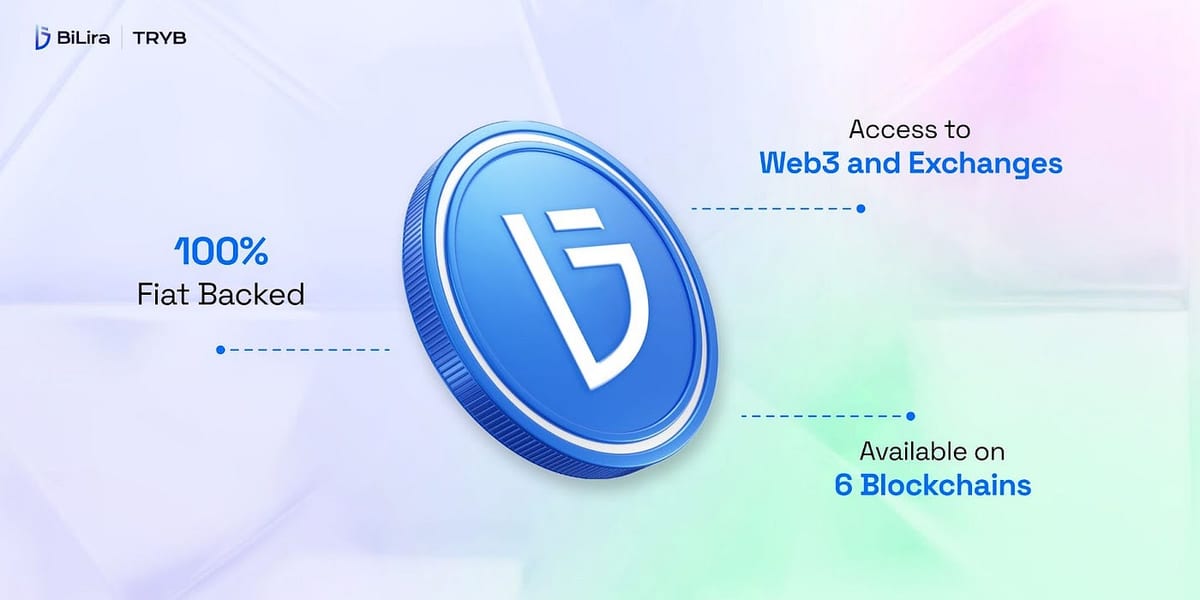
BiLira brings a different perspective to the Turkish blockchain landscape by focusing on the intersection of financial technology and blockchain-based currency. Established in 2019, the company is known for TRYB, a stablecoin designed to maintain a value linked to the Turkish lira.
Stablecoins serve a distinct function within the digital asset ecosystem. By linking a token's value to a reference currency, they can support transfers and blockchain-based financial applications without exposing users to the same price fluctuations associated with many other cryptocurrencies. For markets where local currency accessibility is important, this type of infrastructure can be particularly relevant.
BiLira's work also connects to broader developments in decentralized finance, digital payments, and blockchain interoperability. Its activities illustrate how local financial needs can inspire specialized blockchain products with potential applications across different networks and services.
What makes it notable: BiLira focuses on blockchain-based financial utility through a Turkish lira-linked stablecoin, demonstrating how digital assets can serve purposes beyond speculative trading.
7. Metatime
Category: Blockchain Ecosystem and Web3 infrastructure building
Metatime is a Turkish Web3 company developing a broader ecosystem of blockchain-related products and services. Its vision extends across several areas of the digital asset industry, including blockchain technology, decentralized applications, token-related services, and tools designed to support participation in Web3.
Rather than concentrating on a single application, Metatime's ecosystem-oriented approach reflects an ambition to connect multiple components of the blockchain experience. This model is relevant to the development of Web3 because users and developers often need several complementary services to interact with decentralized environments effectively.
The company's focus also highlights the growing interest in locally developed blockchain ecosystems. As the industry matures, the ability to create interconnected products and infrastructure may become an important factor in attracting developers, users, and ecosystem partners.
What makes it notable: Metatime represents the ecosystem-building approach to blockchain development, with a focus on connecting multiple Web3 products rather than concentrating on a single service.
8. Misyon Bank
Category: Institutional Digital Asset Infrastructure and Tokenization

Misyon Bank represents the institutional side of Turkey's blockchain development, particularly in the areas of tokenization and digital asset custody. Its work explores how blockchain technology can be integrated into established financial services, creating opportunities for institutions to issue, manage, and transfer digital representations of assets.
One notable initiative is its tokenization platform, developed in collaboration with Avalanche and Taurus. The platform was introduced to help financial institutions, banks, and fintech companies bring real-world assets onto blockchain networks. This approach reflects a broader movement toward connecting traditional financial instruments with programmable digital infrastructure.
The significance of this work lies in its focus on institutional applications rather than retail cryptocurrency trading. Tokenization requires infrastructure that addresses asset issuance, operational processes, custody, and the needs of regulated financial participants. Misyon Bank's activities provide an example of how Turkish financial institutions are exploring these capabilities.
What makes it notable: Misyon Bank brings traditional financial expertise into blockchain infrastructure, with a focus on tokenization and institutional digital asset services.
9. Inveochain
Category: Digital Asset Infrastructure and Investment
Inveochain is a Turkish investment holding focused on building and supporting businesses across the digital asset value chain. Its activities span trading, tokenization, custody, market making, liquidity provision, and on-chain asset management, positioning it as a participant in several interconnected areas of the blockchain industry.
A distinguishing element of Inveochain's approach is its connection to established capital markets expertise through its parent group, Gedik Yatırım. This structure provides a foundation for exploring how traditional investment capabilities can be combined with blockchain-based financial products.
The company's emphasis on integrated infrastructure is particularly relevant as tokenization gains attention among institutional participants. Bringing issuance, trading, and custody capabilities into a coordinated ecosystem can help address the operational complexity associated with digital assets.
Inveochain's development illustrates how the Turkish market is exploring infrastructure models that extend beyond individual platforms and toward interconnected digital financial services.
What makes it notable: Inveochain takes a value-chain approach to digital assets, connecting investment, trading, tokenization, and custody capabilities within a broader institutional ecosystem.
10. BlockchainArmy
Category: Blockchain Development and Enterprise Consulting
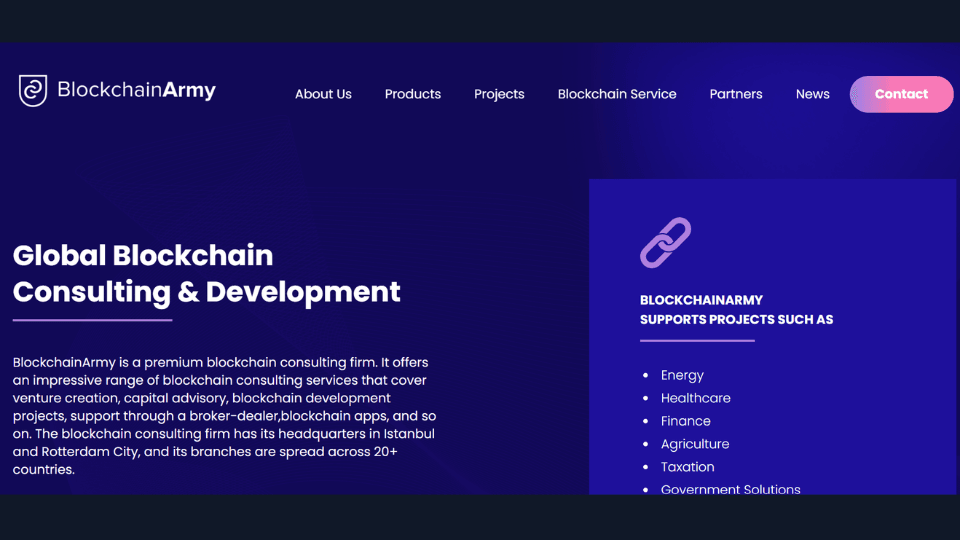
BlockchainArmy represents the development and consulting segment of Turkey's blockchain ecosystem. While exchanges and financial platforms focus on operating digital asset services, specialized technology providers address the technical challenges organizations face when exploring blockchain adoption.
The company focuses on blockchain consulting and tailored development, including proof-of-concept projects and minimum viable products. This type of work is important for businesses that want to evaluate blockchain applications before committing to full-scale implementation.
Enterprise blockchain projects often require more than technical development. Organizations must also consider system integration, operational requirements, scalability, and how distributed ledger technology fits into existing processes. Consulting-led providers can help businesses navigate these questions and assess where blockchain may offer practical value.
BlockchainArmy's role highlights the importance of technical expertise in the wider ecosystem, particularly for organizations seeking to move from blockchain experimentation toward working applications.
What makes it notable: BlockchainArmy focuses on the practical implementation of blockchain technology, helping organizations explore and develop solutions tailored to their operational needs.
What Sets Turkey's Blockchain Ecosystem Apart?
The companies featured in this list demonstrate that Turkey's blockchain industry is not defined by a single business model. Instead, it brings together several complementary areas of innovation, each addressing different needs within the digital economy.
A Strong Foundation in Digital Asset Trading
Cryptocurrency exchanges remain an important part of the Turkish ecosystem. Platforms such as Paribu, BtcTurk, Bitci, Bitexen, and Bitlo illustrate how local businesses have developed services that connect users with digital assets. Their presence also creates a foundation for the growth of adjacent services, including custody, education, and blockchain-based financial products.
Growing Interest in Tokenization
Tokenization is expanding the conversation beyond cryptocurrencies. By representing assets digitally on blockchain networks, tokenization initiatives explore new approaches to issuance, ownership, and transfer. The work of Misyon Bank and Inveochain illustrates how Turkish companies are examining this opportunity from an institutional and financial infrastructure perspective.
More Specialized Infrastructure and Applications
The ecosystem also includes businesses working on stablecoins, blockchain networks, and enterprise development. BiLira's focus on a lira-linked digital asset, Bitci's blockchain-based fan engagement applications, and BlockchainArmy's consulting work demonstrate how blockchain technology can support different use cases beyond exchange operations.
Taken together, these developments suggest that Turkey's blockchain ecosystem is gradually broadening its focus from market access toward the infrastructure and applications that can support a more connected digital economy.
How to Choose a Turkish Blockchain Company for Your Business
For organizations evaluating blockchain partners in Turkey, the right choice depends on the problem they want to solve. A cryptocurrency exchange, a tokenization provider, and a blockchain development firm may all operate within the same industry, but their capabilities and intended customers can differ significantly.
Before selecting a partner, businesses should consider several factors:
Use-case alignment: Determine whether the company specializes in trading, tokenization, custody, stablecoins, or blockchain development, and assess how closely its capabilities match your business requirements.
Technical capabilities: Evaluate the underlying infrastructure, supported blockchain networks, integration options, and ability to accommodate future product development.
Security and operational practices: Understand how the provider approaches asset security, access management, data protection, and operational continuity.
Regulatory considerations: Review the company's relevant legal status and the specific permissions applicable to the services being considered. A company's presence on a regulatory disclosure list should not automatically be interpreted as full authorization.
Ecosystem compatibility: Consider whether the company's technology can work with your existing systems, financial partners, and intended blockchain networks.
Long-term development: Look beyond current features to understand the company's product direction, technical support, and capacity to evolve alongside the market.
A careful evaluation of these factors can help businesses distinguish between providers that simply operate in the blockchain industry and those whose expertise directly supports their strategic objectives.
Frequently Asked Questions
What are the leading Turkish blockchain companies?
Turkey's blockchain ecosystem includes established platforms such as Paribu, BtcTurk, Bitci, Bitexen, and Bitlo, alongside specialized companies such as BiLira, Metatime, Misyon Bank, Inveochain, and BlockchainArmy. Each operates in a different segment of the industry, ranging from cryptocurrency trading to tokenization and blockchain infrastructure.
Is Turkey a good market for blockchain development?
Turkey offers an interesting environment for blockchain development because of its active digital asset community, established fintech sector, and growing interest in applications such as tokenization and digital financial services. The country's ecosystem includes both consumer-facing platforms and businesses developing infrastructure for institutional and enterprise use cases.
What is the difference between a crypto exchange and a blockchain infrastructure company?
A crypto exchange primarily provides a platform for buying, selling, or trading digital assets. A blockchain infrastructure company, on the other hand, develops or supports the underlying technology that enables blockchain applications, such as token issuance, custody, network operations, or enterprise integrations. Some businesses operate across both areas, but the two categories serve different purposes. For those looking for the best in the field, exploring web3 infrastructure providers can offer valuable insights.
Which Turkish companies are working on tokenization?
Misyon Bank and Inveochain are notable examples of Turkish businesses exploring tokenization and institutional digital asset infrastructure. Their activities reflect growing interest in bringing real-world assets and financial products onto blockchain networks.
What should businesses consider when working with a Turkish blockchain provider?
Businesses should evaluate technical capabilities, security practices, regulatory status, integration requirements, and the provider's experience with relevant use cases. It is also important to distinguish between a company's stated product capabilities and services that are currently available for commercial deployment. For those interested in the broader landscape, staying updated on blockchain crypto marketing trends can also be beneficial.

