


The relationship between Federal Reserve interest rates, inflation, and Bitcoin has become an important consideration for cryptocurrency investors in 2026. As financial markets respond to changing economic conditions and uncertainty surrounding US monetary policy, investors are evaluating how interest rates and inflation expectations could influence digital asset prices.
Bitcoin is often discussed as an alternative asset during periods of monetary uncertainty, but its market performance depends on more than inflation or interest rate movements alone. Liquidity, institutional demand, investor sentiment, and broader economic conditions also play important roles.
Understanding how Federal Reserve policy affects Bitcoin can help investors evaluate cryptocurrency market developments beyond short-term price fluctuations. In this article, Fintech24h explores the relationship between US monetary policy, inflation, and the cryptocurrency market.
Federal Reserve Interest Rates 2026: How Inflation Could Affect Bitcoin and Crypto
The Federal Reserve is responsible for conducting US monetary policy, including setting its target range for the federal funds rate. Changes in interest rates can influence borrowing costs, financial conditions, consumer spending, and investment decisions across the economy.

Because Bitcoin trades within the broader financial system, changes in monetary policy expectations can affect cryptocurrency demand and investor positioning. When interest rates are relatively high, traditional financial assets may become more attractive because investors can earn returns without taking the same level of market risk associated with cryptocurrencies.
Higher borrowing costs can also reduce access to leverage and affect liquidity across financial markets. These conditions may create challenges for speculative assets, particularly when investors become more cautious about risk.
Conversely, expectations of lower interest rates may support Bitcoin under certain conditions. Lower rates can reduce the opportunity cost of holding assets that do not generate traditional income and may improve financial conditions.
However, the effect depends on why rates are changing. If lower rates reflect improving inflation conditions and a stable economic outlook, investor confidence may strengthen. If they reflect concerns about economic weakness, investors may become more defensive. Therefore, Federal Reserve interest rates should be evaluated alongside the broader economic environment rather than treated as a direct bitcoin gold ultimate price signal.
2. Inflation and Bitcoin: Can Cryptocurrency Protect Purchasing Power?
Inflation measures the rate at which prices for goods and services increase over time. When inflation rises, the purchasing power of money may decline, influencing consumer behavior, monetary policy, and investment decisions.
Bitcoin is sometimes described as an inflation hedge because its maximum supply is limited to 21 million BTC. This scarcity distinguishes Bitcoin from currencies whose supply can change through monetary policy.

However, Bitcoin's fixed supply does not guarantee that its purchasing power will increase during periods of inflation. Cryptocurrency prices are determined by market demand and supply, investor expectations, liquidity, and broader financial conditions.
Bitcoin can experience significant price volatility even when inflation remains elevated. As a result, its performance as an inflation hedge can vary across economic cycles.
Investors should also distinguish between current inflation and expectations about future inflation. Financial markets frequently respond to anticipated changes in monetary policy before those changes occur.
If inflation declines and investors expect interest rates to fall, Bitcoin may benefit from improving financial conditions. However, if inflation remains persistent and markets anticipate tighter monetary policy, cryptocurrency valuations may face pressure. The relationship between inflation and Bitcoin is therefore more complex than simply assuming that higher consumer prices lead to higher cryptocurrency prices.
3. How US Economic Data Influences the Crypto Market
Economic data plays an important role in shaping expectations about Federal Reserve policy. Investors regularly monitor inflation reports, employment data, economic growth, and consumer spending to understand whether financial conditions may become tighter or more supportive.
The Consumer Price Index (CPI) measures changes in consumer prices, while the Personal Consumption Expenditures (PCE) price index provides another important measure of inflation. Both indicators can influence market expectations, although the Federal Reserve considers a broader range of economic information when making monetary policy decisions.
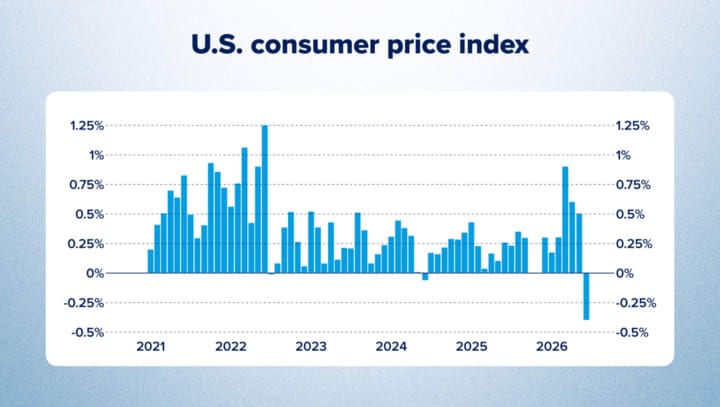
Employment reports also matter because changes in labor market conditions can influence expectations about economic growth and inflation. Bitcoin investors may evaluate these indicators alongside Treasury yields, the US Dollar Index, and bitcoin layer solutions liquidity.
For example, an inflation report that differs significantly from expectations may influence interest rate forecasts and financial markets. However, Bitcoin's response depends on how investors interpret the data and whether the information changes expectations about future monetary policy. A single economic report should not be treated as sufficient evidence of a sustained market trend.
4. Federal Reserve Policy and Bitcoin: Three Possible Scenarios
The impact of Federal Reserve policy on Bitcoin depends on the interaction between interest rates, inflation, liquidity, and investor confidence. If inflation moderates and the Federal Reserve is able to maintain a supportive monetary environment, financial conditions may become more favorable for alternative assets.
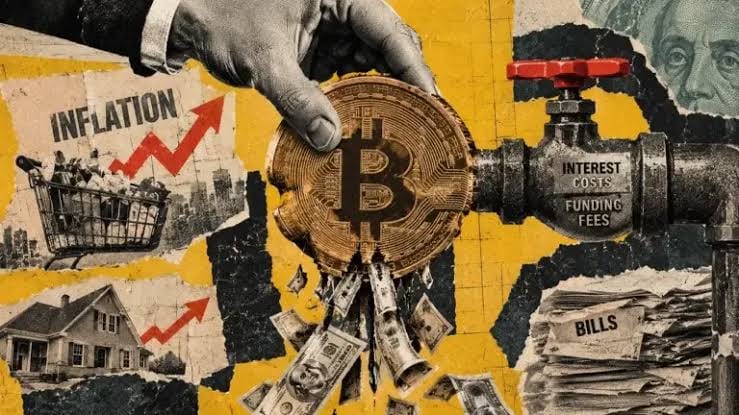
Bitcoin could benefit if investors increase demand for digital assets and broader market liquidity improves. However, such conditions do not guarantee price appreciation. A different outcome is possible if inflation remains persistent and interest rate expectations become more restrictive.
Higher borrowing costs and tighter financial conditions may reduce investor appetite for speculative assets. Bitcoin could face pressure if market participants reduce exposure to risk-sensitive investments.
Alternatively, if the Federal Reserve lowers rates in response to economic weakness, Bitcoin's reaction may be mixed. Lower rates could support liquidity, but concerns about economic growth may limit risk appetite. These scenarios demonstrate why investors should evaluate monetary policy alongside economic conditions rather than relying on interest rate changes alone.
5. What Crypto Investors Should Monitor in 2026
Investors following the Federal Reserve interest rates Bitcoin relationship should monitor several indicators. Inflation reports, employment data, and Federal Reserve communications can provide insight into monetary policy expectations.
Treasury yields and the US Dollar Index can help investors assess broader financial conditions, while institutional Bitcoin flows and cryptocurrency trading activity may provide information about market demand. Liquidity is particularly important because changes in market conditions can influence cryptocurrency volatility.
Leverage, derivatives positioning, and trading volumes may amplify price movements during periods of uncertainty. Investors should also consider developments in digital asset regulation and institutional participation, as these factors can influence the structure of cryptocurrency markets. Evaluating multiple indicators together can provide a more balanced understanding of Bitcoin's market environment.
6. Fintech24h: Understanding the Connection Between Economics and Crypto

Cryptocurrency markets are increasingly influenced by developments across traditional finance. Federal Reserve policy, inflation, currency movements, and financial regulation can all affect the environment in which digital assets trade.
| Topic | What Readers Can Discover |
|---|---|
| Crypto Market News | Updates on Bitcoin, Ethereum, and digital asset market developments. |
| Crypto Regulation | Insights into regulatory discussions, policy developments, and their potential implications for the industry. |
| Blockchain Technology | Explore blockchain applications, infrastructure, and emerging industry trends. |
| Institutional Adoption | Understand developments involving financial institutions, digital assets, and cryptocurrency market participation. |
Understanding these connections requires more than following Bitcoin prices. Investors also need to evaluate the economic conditions that influence market behavior. Fintech24h provides financial technology and cryptocurrency-related content, helping readers follow developments across digital assets, blockchain, and financial markets.
Through market updates, industry analysis, and educational content, Fintech24h helps readers explore how economic developments connect with emerging technologies. For investors monitoring Federal Reserve policy in 2026, understanding the relationship between interest rates, inflation, and Bitcoin can provide useful context for evaluating market developments.
Explore Fintech24h for more insights into cryptocurrency, blockchain technology, financial markets, and emerging fintech trends. If you are looking for professional guidance, you might consult bitcoin lawyers near me to navigate the regulatory landscape.
Frequently Asked Questions
1. How do Federal Reserve interest rates affect Bitcoin?
Federal Reserve interest rates can influence Bitcoin through borrowing costs, liquidity, investor risk appetite, and the opportunity cost of holding non-yielding assets. However, the relationship is not always consistent and depends on broader economic conditions.
2. Does inflation make Bitcoin more valuable?
Not automatically. Bitcoin's limited supply may attract investors concerned about purchasing power, but its market price also depends on demand, liquidity, investor sentiment, and monetary policy expectations.
3. What happens to Bitcoin when the Fed cuts interest rates?
Bitcoin may benefit if lower rates improve liquidity and investor risk appetite. However, rate cuts associated with economic weakness may create uncertainty and reduce demand for volatile assets.
4. What is the relationship between CPI and Bitcoin?
CPI measures changes in consumer prices and can influence expectations about Federal Reserve policy. Bitcoin may respond to CPI releases through changes in interest rate expectations and financial conditions, but the direction of the response is not guaranteed.
5. Is Bitcoin an inflation hedge in 2026?
Bitcoin is often discussed as an alternative store of value, but its performance during inflationary periods has varied. Investors should not assume that Bitcoin will automatically preserve purchasing power when inflation rises. For those interested in the latest market shifts, check out the latest crypto news to stay informed.

