
.webp)

Core mechanics of roboteachers in classroom settings
Roboteachers function as specialized instructional agents that integrate hardware sensors with software-driven pedagogical frameworks to assist human educators. These systems operate by capturing multimodal data—including voice, text input, and facial expressions—to monitor student engagement and comprehension levels in real-time.
By offloading repetitive tasks like basic drill-and-practice exercises or administrative inquiries, these tools allow teachers to focus on complex social-emotional instruction and high-level critical thinking discussions.
Natural language processing and real-time feedback
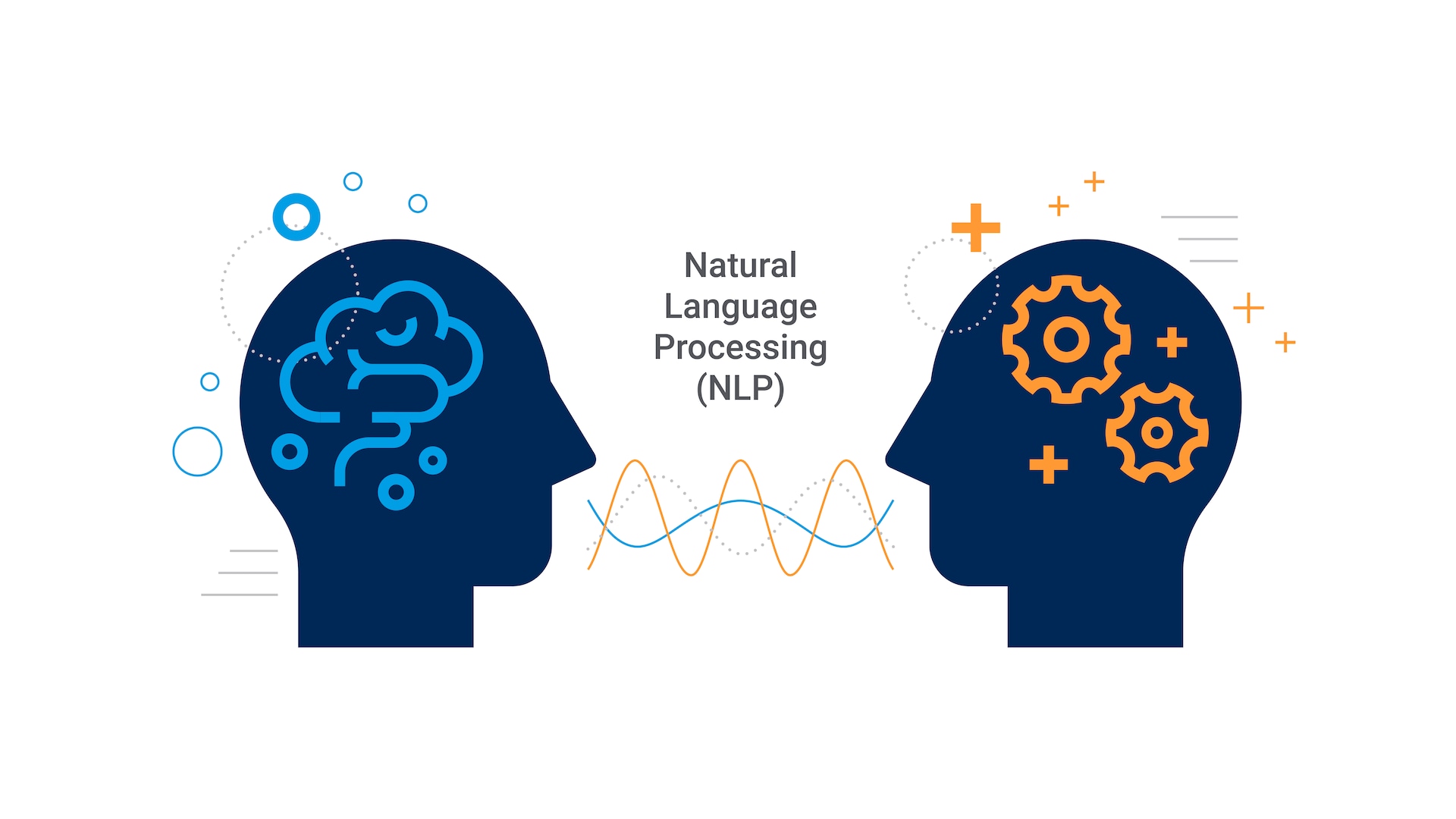
The efficacy of a roboteacher relies heavily on its Natural Language Processing (NLP) engine, which must accurately parse student input within the context of a noisy classroom. Systems like those powered by transformer-based models analyze phonetics and syntax to identify common misconceptions in student responses.
When a student provides an incorrect answer, the roboteacher does not simply flag the error; it initiates a guided inquiry sequence. For instance, if a student miscalculates a fraction, the robot uses the parsed input to generate a hint related to the specific denominator error. This provides immediate, corrective feedback that prevents the student from reinforcing incorrect mental models.
Adaptive learning algorithms for personalized pacing
Adaptive learning algorithms serve as the decision-making core of these robotic systems, ensuring that content delivery matches the individual's cognitive load. These algorithms utilize Bayesian Knowledge Tracing (BKT) or Deep Knowledge Tracing (DKT) to maintain a probabilistic model of a student's mastery over specific curriculum modules.
If the system detects a decline in performance—measured by increased latency in responses or repeated errors—it automatically triggers a scaffolding intervention. This might involve presenting the material through a different modality, such as a visual simulation, or reducing the complexity of the task until the student demonstrates proficiency.
By dynamically adjusting the pacing, the roboteacher prevents the frustration of moving too quickly or the boredom of redundant instruction. This maintains the student within their optimal zone of proximal development.
Case study: Implementing roboteachers in a mid-sized language institute
A mid-sized language institute in Berlin recently integrated AI-driven robotic tutors to assist with repetitive pronunciation drills and vocabulary reinforcement. The pilot program focused on 150 students across three proficiency levels, utilizing humanoid robots equipped with natural language processing (NLP) to provide real-time feedback.
Unlike static software, these units moved within the classroom to facilitate small-group interactions, effectively offloading 30% of the instructor's routine correction tasks.
Integration workflows with existing learning management systems
Successful deployment required a direct API bridge between the robot's proprietary software and the institute’s Moodle-based learning management system (LMS). The technical team utilized LTI (Learning Tools Interoperability) standards to ensure that student performance data captured by the robots automatically populated the existing gradebooks.

This sync process involved mapping specific voice-recognition accuracy scores to the LMS 'participation' and 'speaking' assessment categories. By automating this data flow, instructors avoided manual entry, ensuring that student progress remained visible in a centralized dashboard without additional administrative overhead.
Quantifiable student engagement metrics
Data collected over the six-month pilot revealed distinct shifts in learner behavior. Students interacting with roboteachers showed a 22% increase in homework completion rates compared to the control group. This improvement is attributed to the immediate feedback loop provided by the robots, which allowed students to correct errors instantly rather than waiting for human grading.
Furthermore, end-of-term testing indicated a 14% improvement in phonemic accuracy scores. While the robots handled the mechanical aspects of language acquisition, the human instructors reported higher satisfaction levels, as they could dedicate their time to complex grammatical explanations and cultural discussions rather than repetitive pronunciation correction. These metrics suggest that the primary value of robotic integration lies in its ability to sustain consistent student focus during high-frequency, low-complexity learning tasks.
Limitations and boundary conditions of automated instruction
While roboteachers offer consistent delivery of standardized curriculum, they operate under strict technical and pedagogical constraints. These systems excel at repetitive tasks, such as vocabulary drilling or basic mathematical computation, but struggle when instruction requires nuanced judgment or the ability to pivot based on non-verbal classroom dynamics.
Their effectiveness is fundamentally limited by the quality of the training data and the latency of the underlying large language models. These factors can occasionally lead to hallucinations or inaccurate explanations that go uncorrected in real-time.
Handling complex emotional and social cues
The persistent gap in empathy-driven instruction remains the primary barrier to full classroom integration. Human educators perform constant, subconscious monitoring of student body language, frustration levels, and social friction.
Current robotic platforms, even those equipped with advanced computer vision, often misinterpret subtle cues like sarcasm, boredom, or genuine confusion. When a student is struggling with a concept, a human teacher adjusts their tone, provides encouragement, or changes the pedagogical approach entirely.
Roboteachers generally follow pre-programmed decision trees that lack the intuitive leap required to provide genuine emotional support. This often results in a sterile, transactional learning experience that fails to foster student rapport.
Data privacy and ethical considerations
Managing student information security within AI-driven platforms requires rigorous compliance with frameworks like FERPA and GDPR. Every interaction a student has with a roboteacher generates a data point, from response time to facial recognition logs.
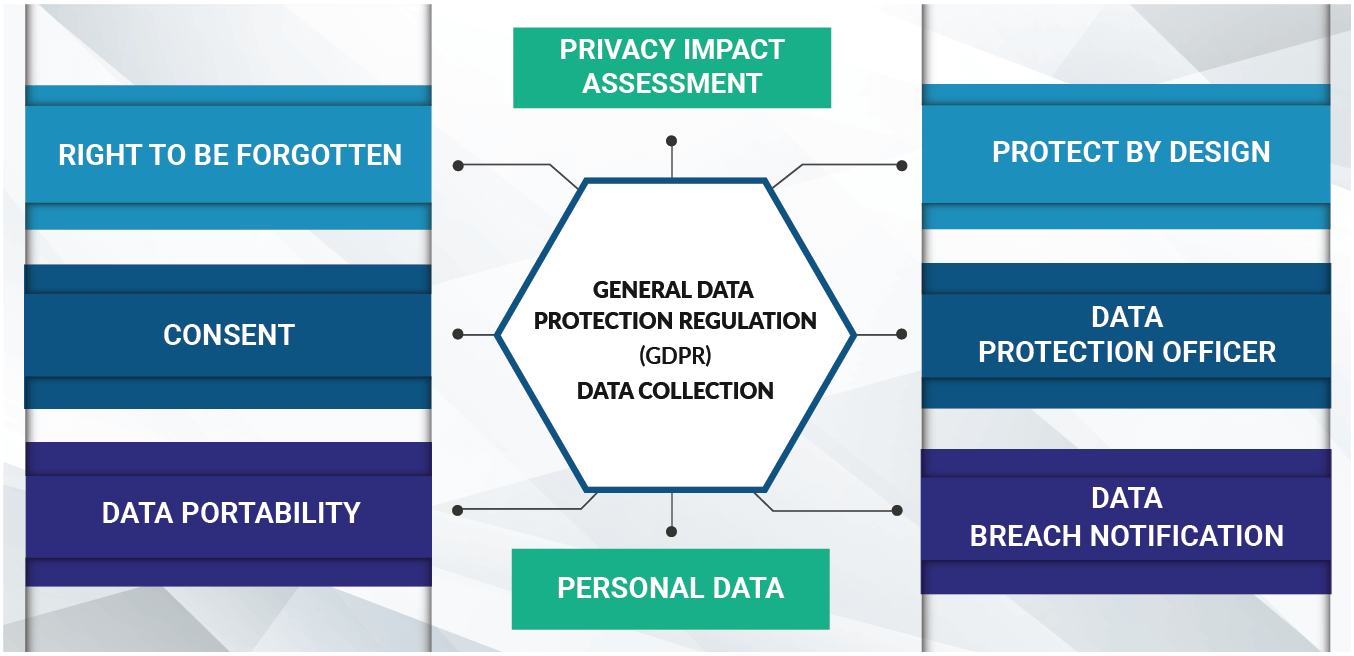
These platforms must ensure that sensitive behavioral data is encrypted at rest and in transit, preventing unauthorized access or potential misuse by third-party developers. Furthermore, the ethical implications of algorithmic bias are significant. If a system is trained on datasets that favor specific linguistic patterns or cultural backgrounds, it may inadvertently penalize students who deviate from those norms.
Schools must implement strict audit trails for these systems, ensuring that automated instruction does not create systemic inequities in how feedback is delivered or how student progress is measured.
Strategic criteria for selecting roboteachers software
Selecting the right platform requires balancing technical capability with pedagogical alignment. Institutions must prioritize software that integrates seamlessly into existing Learning Management Systems (LMS) like Canvas or Moodle while maintaining data privacy compliance under regulations such as FERPA or GDPR. The primary objective is to select a solution that augments human instruction rather than creating additional administrative burdens for faculty.
Scalability and infrastructure requirements
Before deployment, administrators must audit their current network architecture. High-definition interactive sessions require low-latency bandwidth, typically necessitating a minimum of 5-10 Mbps per concurrent user to prevent lag during real-time feedback loops.
Many roboteachers software providers utilize cloud-based processing, which reduces the need for local high-end hardware. However, schools must ensure their Wi-Fi infrastructure can handle the density of simultaneous connections in a single classroom environment.
Consider the following hardware checklist for a successful rollout:
- Dedicated server capacity or cloud-subscription tiers that support peak enrollment numbers.
- Tablet or desktop compatibility requirements for student-facing interfaces.
- Integration capabilities with existing interactive whiteboards or smart displays.
- Offline functionality modes for regions with intermittent internet connectivity.
Vendor support and curriculum customization
The efficacy of automated instruction depends on how well the platform maps to established academic standards. A rigid, one-size-fits-all curriculum often fails to address the nuances of specific grade levels or subject matter.
Evaluate vendors based on their Application Programming Interface (API) openness, which allows internal IT teams to import custom datasets, lesson plans, and assessment modules directly into the roboteachers interface.
Beyond technical flexibility, assess the vendor's commitment to ongoing professional development. A reputable provider should offer training modules for educators to learn how to interpret the analytics dashboards generated by the software. Look for vendors that provide tiered support, including dedicated account managers for large-scale implementations and 24/7 technical troubleshooting, as downtime in a hybrid classroom can disrupt the entire learning flow for both remote and in-person students.
Future trajectories for roboteachers in education
The next phase of classroom automation moves beyond simple programmed instruction toward autonomous pedagogical agents capable of long-term student relationship management. Developers are currently shifting focus from static content delivery to dynamic, context-aware systems that adapt to a student's emotional state and cognitive load in real-time.
These systems will increasingly function as collaborative partners for human educators rather than replacements, handling repetitive diagnostic tasks while teachers focus on complex mentorship.
Multimodal learning integration
The shift toward combining visual, auditory, and tactile AI feedback represents the most significant technical hurdle for current roboteachers. By integrating computer vision with natural language processing, these units can now detect micro-expressions that indicate confusion or frustration before a student explicitly asks for help.
For instance, a robot equipped with affective computing algorithms can identify when a student stops tracking text on a screen, prompting the system to switch from a lecture format to a Socratic questioning style. Future hardware iterations are moving toward haptic-enabled interfaces. These tools allow students to interact with virtual 3D models through tactile feedback, bridging the gap between digital simulations and physical laboratory work.
By synchronizing auditory cues with tactile resistance, roboteachers can provide immediate, granular corrections during technical skill acquisition, such as surgical training or mechanical engineering simulations. Data privacy and ethical oversight remain the primary constraints on these trajectories.
As these systems collect more biometric data to refine their multimodal responses, institutions must implement robust local processing protocols to ensure that sensitive student information does not leave the classroom environment. The goal is to create a closed-loop feedback system where the roboteacher learns the specific learning velocity of a classroom without compromising individual privacy or institutional security.
Frequently Asked Questions
Primary role of roboteachers in a hybrid classroom
Roboteachers typically function as supplemental tools designed to handle repetitive tasks like language drills, basic assessment grading, and providing immediate feedback on standardized exercises, allowing human teachers to focus on complex emotional and social instruction.
Distinction between automated instruction and human educators
No, current evidence indicates that roboteachers lack the nuanced emotional intelligence and adaptability required for holistic student development. They are most effective when used as assistive technology under the direct supervision of a human teacher.

