
.webp)
.png)

Developing robust regulatory sandbox exit strategies is the critical bridge between experimental fintech innovation and full-scale market operation. By formalizing your transition plan early, you ensure that your firm moves from a restricted testing environment to a licensed production state without losing momentum or compromising regulatory compliance integrity.
Defining exit triggers based on operational maturity
Successful transition from a restricted sandbox environment to full market operation requires predefined, objective performance metrics. By establishing these benchmarks early, fintech firms avoid the common pitfall of lingering in a restricted state, which limits scalability and prevents the full realization of business value.
Quantifiable KPIs for market readiness
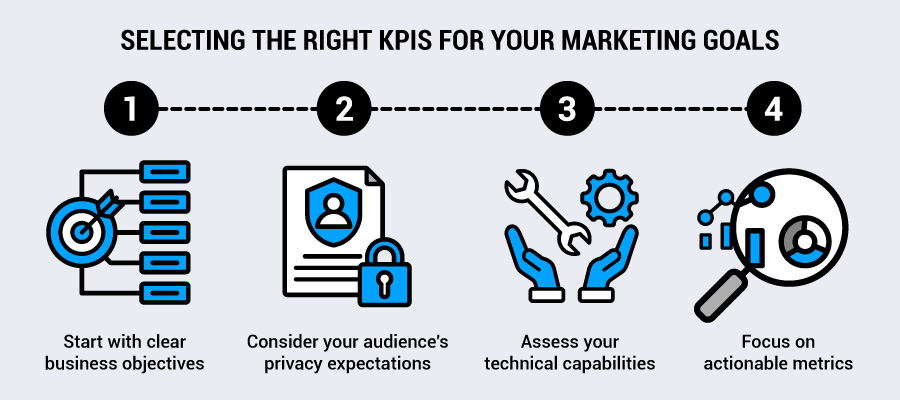
To signal readiness, firms must demonstrate stability through specific, measurable data points. These typically include achieving a minimum of 99.9% system uptime over a rolling 90-day period and maintaining a transaction error rate below 0.05%. Furthermore, user acquisition targets should reflect a sustainable growth curve, such as a consistent month-over-month increase in active unique users, ensuring the infrastructure can handle production-level load without degradation.
- System Uptime: Minimum 99.9% over 90 consecutive days.
- Error Rates: Transaction failure rate capped at 0.05%.
- Compliance Accuracy: 100% success rate in AML/KYC automated verification tests.
- Data Privacy: Zero critical breaches during the sandbox duration.
Risk threshold alignment
Internal risk appetite must be mapped directly against the regulatory tolerance levels set by the authority. If your internal risk assessment identifies a potential for high-frequency trading anomalies, your exit strategy must include a validated automated kill-switch mechanism. Aligning these thresholds ensures that when you apply for a full license, the regulator sees a mature risk management framework rather than an experimental prototype.
Documentation requirements for regulatory sandbox exit strategies
Transitioning out of a sandbox is primarily an exercise in evidence-based reporting. Supervisory authorities require a comprehensive audit trail that proves the product has functioned safely under controlled conditions.
Final impact assessment reports
Compile a report detailing consumer protection outcomes, including the resolution time for customer complaints and the efficacy of data privacy controls. This document should explicitly state how the product has mitigated financial stability risks, such as liquidity management or anti-money laundering (AML verification success rates) during the testing phase.
Gap analysis for full licensing
Conduct a formal gap analysis comparing your current sandbox performance against the requirements for a full operating license. This identifies missing components, such as specific capital adequacy ratios or additional board-level compliance oversight, that must be addressed before the official transition request is submitted.
Stakeholder communication and transition planning
Operational continuity depends on clear communication with both regulators and end-users. A disjointed transition can lead to service interruptions or, worse, a loss of regulatory confidence.
Coordinating with supervisory bodies
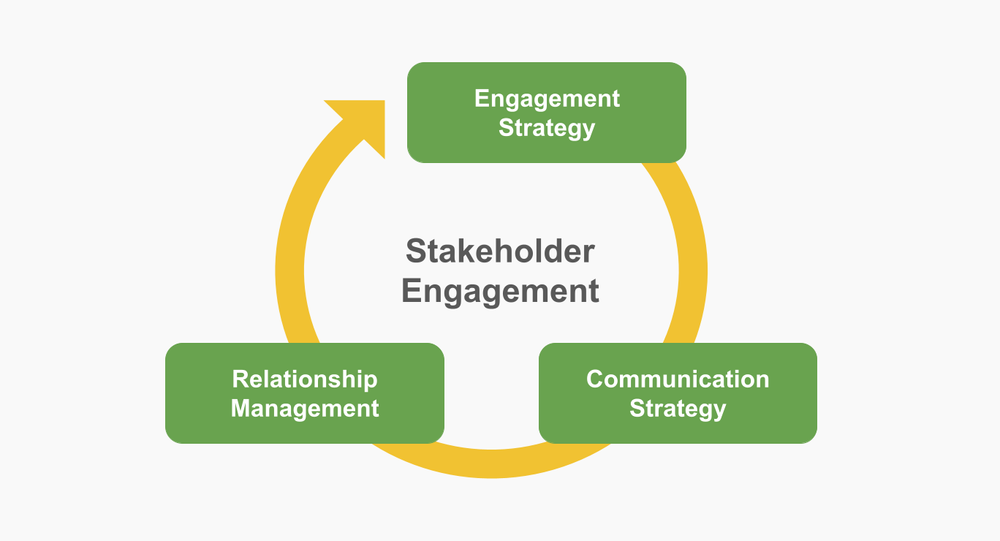
Establish a formal debriefing process at least 60 days before your intended exit date. This process should involve a structured review of your sandbox performance data, allowing the regulator to ask clarifying questions and request supplemental documentation. This proactive engagement reduces the likelihood of delays during the license conversion process.
Customer migration protocols
Moving users from a test environment to production requires a phased approach. Implement a tiered migration strategy where a small subset of users is transitioned first to monitor system performance under real-world conditions. Ensure that all user agreements are updated to reflect the change in status from a test participant to a full customer, clearly outlining the shift in liability and support levels.
Post-exit monitoring and compliance maintenance
Leaving the sandbox is not the end of compliance; it is the beginning of a more rigorous, permanent regulatory relationship. Sustaining compliance requires moving from manual oversight to scalable, automated systems.
Automating regulatory reporting
Transition from manual spreadsheet-based reporting to automated compliance monitoring tools. Platforms like ComplyAdvantage or similar regtech solutions can integrate directly with your transaction logs, providing real-time reporting to regulators and reducing the risk of human error in mandatory filings.
Continuous audit cycles
Schedule recurring internal and external audits to maintain the standards validated during the sandbox phase. These audits should focus on stress-testing your compliance infrastructure against evolving regulations, ensuring that the operational maturity you demonstrated to exit the sandbox remains the baseline for your ongoing business operations.
Strategic Considerations for Regulatory Sandbox Exit Strategies
Beyond technical and compliance readiness, firms must prepare for the cultural and financial shift of exiting a sandbox. One often overlooked aspect is the transition of your internal team from a 'startup-agile' mindset to a 'regulated-entity' mindset. This involves formalizing internal policies, such as implementing a 'four-eyes' principle for all high-value transactions and establishing a dedicated compliance committee that reports directly to the board.
Financially, firms should prepare for the increased cost of compliance. While the sandbox often provides fee waivers or reduced regulatory levies, full licensure brings recurring supervisory fees, higher insurance premiums, and the need for dedicated legal and compliance headcount. Modeling these costs 12 months in advance of your exit date ensures that your capital runway remains sufficient to support the business through the transition period.
Frequently Asked Questions
Definition of a fintech regulatory sandbox
A regulatory sandbox is a controlled environment provided by financial regulators that allows startups to test innovative financial products or services with real customers under relaxed regulatory requirements.
Typical duration of sandbox programs
Most programs last between 6 to 24 months, depending on the complexity of the product and the specific jurisdiction's regulatory framework.
Legal status of sandbox participation
Yes, participants must adhere to the specific terms, conditions, and reporting requirements set out in the sandbox agreement, which are legally enforceable by the regulator.
Legal counsel requirements for sandbox entry
While not always strictly required by law, legal counsel is highly recommended to navigate the application process, interpret regulatory constraints, and draft necessary compliance documentation.
Contingency planning for sandbox exit failure
If a startup fails, the regulator typically requires a wind-down plan to be executed, ensuring that customer funds are protected and any data collected is handled according to privacy laws.
- Operationalizing regulatory sandboxes and innovation frameworks for fintech growth
- Market access advantages within cross-border regulatory sandboxes explained
- Verification criteria for regulatory sandbox impact on consumer protection
- Strategic selection between sandbox testing and direct market oversight

