
.webp)
.png)
Core objectives of regulatory sandboxes and innovation frameworks
Regulatory sandboxes and innovation frameworks provide a controlled environment where fintech firms test novel products under direct oversight, effectively bypassing the immediate need for full-scale licensing. These programs allow startups to demonstrate viability while regulators observe potential risks, creating a bridge between disruptive technology and established financial law.
Risk mitigation through controlled testing environments
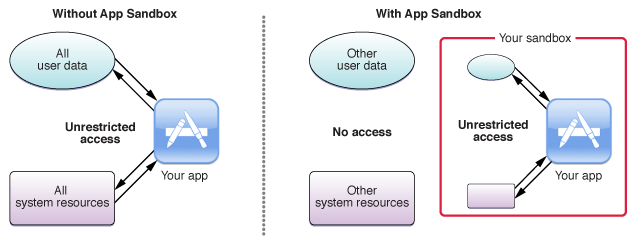
Sandboxes isolate failure points by limiting the scope of operations to a specific number of users or transaction volume. By operating within these boundaries, companies prevent systemic risks that would otherwise trigger heavy regulatory penalties or license revocation.
This containment strategy ensures that if a product encounters a technical or compliance glitch, the impact remains localized, protecting the broader financial ecosystem.
Accelerating time-to-market for regulated products
Traditional licensing processes can take years, creating a significant barrier to entry for new financial technologies. Innovation frameworks shorten this timeline by providing a direct line of communication with regulators, allowing firms to iterate on product design based on real-time compliance feedback.
This reduces the administrative burden and ensures that developers spend resources on features that meet legal requirements from day one.
Eligibility assessment and entry criteria
Not every startup qualifies for a sandbox; regulators prioritize projects that demonstrate genuine novelty and potential consumer benefit. To determine eligibility, firms must prove their technology addresses a gap in the current market that existing regulations cannot adequately govern.
Quantifying genuine innovation versus incremental updates
Regulators distinguish between novel business models and standard feature updates by evaluating the underlying technology and its impact on the market. An incremental update, such as a minor UI change to an existing banking app, rarely meets the criteria.
Conversely, a decentralized lending protocol or a new cross-border payment mechanism using web3 innovations transforming the industry typically qualifies due to its disruptive potential.
Mapping product features to regulatory gaps
Successful applicants map their product features directly to specific regulatory bottlenecks. If your product requires a license that does not exist for your specific tech stack, you have a strong case for entry.
Documenting these gaps shows regulators that your participation serves a dual purpose: testing your product and helping the state modernize its legislative framework.
Designing the testing parameters
Effective testing requires clearly defined boundaries that protect both the firm and the end-user. Regulators set these parameters to ensure that data access and user interaction remain within a safe, observable range.
Defining success metrics and exit conditions
Before launching, you must establish clear KPIs that signal the end of the trial period. Common success metrics include transaction success rates, customer acquisition costs, and data security performance.
Exit conditions are equally vital; you must define what constitutes a successful graduation—such as meeting specific capital requirements—and what triggers an immediate shutdown of the trial.
Data privacy and consumer protection safeguards
During the trial, firms must implement rigorous security protocols, often exceeding standard industry requirements. This includes mandatory encryption for all data in transit, strict user consent management, and transparent disclosure of the risks inherent in using an experimental financial product.
Operational workflow for sandbox participation
Engaging with regulators requires a structured approach to transparency and reporting. Treat the sandbox as a partnership where your primary goal is to provide the regulator with the data they need to assess your product's safety.
Reporting cadence and transparency requirements
Regulators typically require a weekly or monthly reporting cadence. You must track every transaction and user interaction, providing the oversight body with granular data on system performance and compliance adherence.
Failure to maintain this transparency often results in immediate removal from the program.
Iterative feedback loops with regulatory staff
Use the sandbox to pivot your product design based on direct input from regulatory staff. If a compliance officer flags a potential issue, treat it as a design requirement rather than a setback.
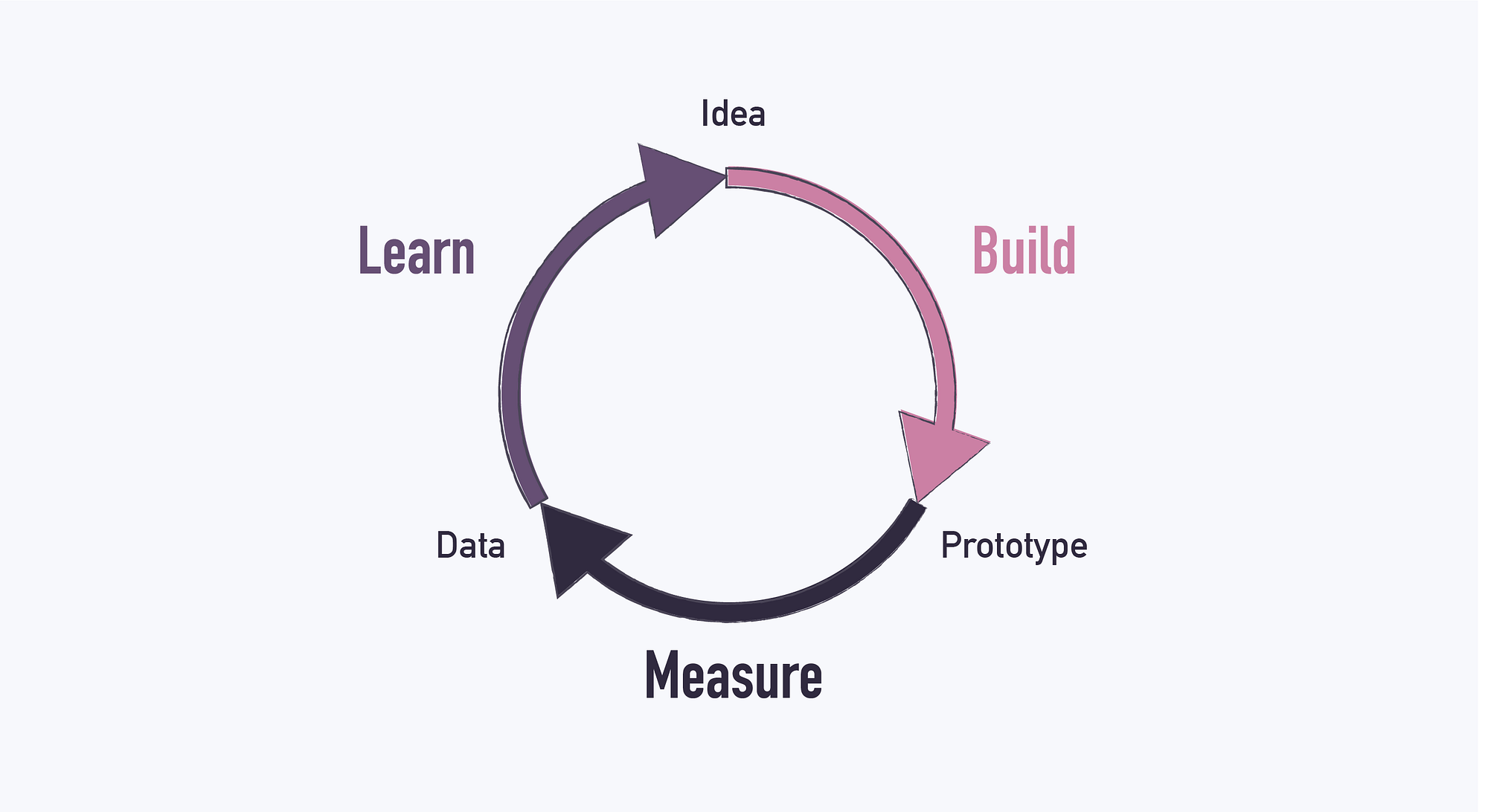
This iterative process is the primary advantage of the sandbox, allowing you to refine your product to meet legal standards before you ever face the full weight of market regulation.
Transitioning from sandbox to full market launch
Graduating from a sandbox is not the end of the journey but the beginning of full-scale operations. The transition requires scaling your infrastructure to meet permanent regulatory standards.
Scaling infrastructure for full compliance
Once you exit the sandbox, your systems must handle higher transaction volumes while maintaining the security levels demonstrated during the trial. This often involves upgrading to enterprise-grade compliance software and hiring specialized legal staff to manage ongoing reporting obligations.
Documenting lessons for permanent policy change
The final step is leveraging your sandbox data to advocate for broader industry regulation. By documenting how your product operated safely within the sandbox, you provide the evidence needed for regulators to update laws.
This helps create a more favorable environment for your future growth and the development of the entire fintech sector.
Global Examples of Regulatory Sandboxes
Several jurisdictions have pioneered these frameworks to foster competition. The UK Financial Conduct Authority (FCA) sandbox is widely considered the gold standard, having supported hundreds of firms in testing products ranging from AI-driven credit scoring to tokenized assets.
Similarly, the Monetary Authority of Singapore (MAS) offers a 'Sandbox Express' for lower-risk activities, which provides a faster approval track for firms that meet pre-defined criteria. These examples demonstrate that successful participation often hinges on the firm's ability to provide clear, evidence-based documentation of how their technology benefits the end consumer while minimizing systemic risk.
Strategic Considerations for Long-Term Success

Beyond the immediate testing phase, firms must view these programs as a long-term strategic asset. Engaging with regulators early builds institutional trust, which is invaluable when applying for full licenses later.
Furthermore, the data gathered during the trial serves as a powerful narrative for investors, proving that your business model has been vetted by authorities and is built on a foundation of compliance-by-design. When selecting a jurisdiction for your sandbox entry, consider the 'passporting' potential—some regions allow firms to leverage sandbox results to gain easier entry into neighboring markets, effectively scaling your regulatory footprint alongside your product.
Technical Implementation Challenges
While the regulatory aspect is primary, the technical integration within a sandbox environment presents its own hurdles. Firms must often build 'regulatory-ready' APIs that allow oversight bodies to pull real-time data without compromising user privacy.
This requires implementing robust logging mechanisms that categorize transactions by risk level, ensuring that regulators can audit the system without needing access to sensitive PII (Personally Identifiable Information). Developing these technical bridges early in the product lifecycle prevents the need for a complete system overhaul when moving from the sandbox to a production environment.
Common Pitfalls in Sandbox Applications
Many firms fail to gain entry because they treat the application as a marketing pitch rather than a technical compliance proposal. Regulators look for specific evidence of how you will manage consumer harm if the technology fails.
Avoid vague claims about 'disruption' and instead provide a detailed risk assessment matrix. Include a clear plan for how you will handle customer complaints and potential data breaches during the trial. Firms that demonstrate a 'compliance-first' mindset are significantly more likely to be accepted than those that view the sandbox as a way to bypass rules.
Navigating Regulatory Sandboxes and Innovation Frameworks
To maximize the utility of these programs, firms should adopt a proactive stance on regulatory engagement. This involves maintaining a dedicated compliance liaison who understands both the technical architecture of the product and the specific legal mandates of the jurisdiction.
By treating the sandbox as a collaborative research project rather than a mere regulatory hurdle, companies can influence the development of future financial policies. This collaborative approach often leads to regulatory compliance for phishing prevention being tailored to accommodate specific technological advancements, such as decentralized finance (DeFi) or automated wealth management, which might otherwise be stifled by rigid, legacy-based licensing requirements.
Evaluating the Long-Term Impact of Regulatory Sandboxes and Innovation Frameworks
The true value of these programs extends beyond individual product launches. They serve as a feedback mechanism for the financial system, allowing regulators to observe how new technologies interact with existing market protections.
By participating, firms contribute to a 'regulatory learning' process that helps authorities draft more nuanced, technology-neutral legislation. This shift from prescriptive, rule-based regulation to outcome-based oversight is a direct result of the evidence gathered within these controlled environments. For the fintech ecosystem, this means that the barriers to entry are gradually lowering, not just for the participants, but for the entire industry as regulators become more comfortable with digital-first business models.
Frequently Asked Questions
Definition of a regulatory sandbox in fintech
A regulatory sandbox is a controlled environment where fintech companies can test innovative financial products or services with real customers under the supervision of a regulator, often with relaxed regulatory requirements.
Typical duration of a regulatory sandbox program
Most programs last between 6 and 24 months, depending on the complexity of the product and the specific requirements set by the regulatory authority.
Legal status of regulatory sandbox participation
Yes, participants must adhere to the specific terms and conditions set by the regulator, which are legally binding for the duration of the sandbox trial.
Legal counsel requirements for sandbox entry
While not strictly mandatory, legal counsel is highly recommended to navigate the application process, interpret regulatory expectations, and ensure compliance with the sandbox's specific constraints.
Consequences of startup failure within a sandbox
If a startup fails, the regulator typically requires an orderly wind-down to ensure customer funds are protected and data is handled securely, without the startup facing the full penalties of a failed commercial launch.

