
.webp)
.png)
Market shift from output to outcome metrics
Modern SaaS product management frameworks are pivoting away from measuring success through shipping velocity and toward tangible business outcomes like net revenue retention (NRR) and customer lifetime value (CLV). Historically, product teams prioritized the number of features deployed per sprint, treating the roadmap as a production line.
AI-driven delivery cycles have rendered this output-focused approach obsolete by automating code generation and testing. This allows teams to ship features faster than the market can actually absorb them.
The decline of feature-factory delivery
Shipping velocity no longer correlates with market share because the barrier to entry for building software has collapsed. When AI tools like GitHub Copilot or Cursor allow a single engineer to build a functional module in hours rather than days, the competitive advantage shifts from the ability to build to the ability to solve the right problem.
Organizations that continue to prioritize output metrics often fall into the trap of the "feature factory." In this scenario, the product backlog grows exponentially while user engagement stagnates or declines.
To remain competitive, product managers must now integrate outcome-based frameworks such as Objectives and Key Results (OKRs) or the Jobs-to-be-Done (JTBD) methodology directly into their delivery cadence. Instead of tracking the number of tickets closed, teams should evaluate how specific releases influence user behavior.

For instance, if an AI-automated deployment cycle releases three new features in a week, the success of that cycle is measured by whether those features reduced churn or increased daily active usage. If the metrics remain flat, the velocity is irrelevant, regardless of how efficiently the AI generated the code.
This transition requires a fundamental change in how product managers view their role. Rather than acting as project managers who ensure the roadmap is executed on time, they must act as business strategists who validate the impact of every deployment. In an environment where AI makes delivery nearly instantaneous, the bottleneck is no longer engineering capacity; it is the ability to identify which features will drive sustainable growth.
Core components of modern SaaS product management frameworks
Modern SaaS product management frameworks function as the connective tissue between engineering velocity and market demand. At their core, these frameworks prioritize iterative delivery, data-driven decision-making, and cross-functional alignment.

By shifting from traditional waterfall methodologies to agile, continuous deployment models, product teams can reduce the time-to-market for new features while maintaining stability in a competitive landscape.
Integrating customer feedback loops
Effective frameworks embed real-time user data directly into the product lifecycle rather than treating feedback as a post-launch afterthought. Teams utilize tools like Pendo, Hotjar, or Amplitude to track behavioral analytics, which are then funneled into a centralized product discovery repository.
By automating the ingestion of support tickets via integrations with Zendesk or Intercom, product managers can identify recurring friction points instantly. This data-first approach allows teams to shift from intuition-based roadmapping to evidence-based development, ensuring that every sprint cycle addresses verified user pain points.
Prioritization models for resource allocation
In high-churn SaaS environments, choosing the right prioritization model is essential for maintaining product-market fit. Each model offers distinct trade-offs regarding resource allocation:
- RICE (Reach, Impact, Confidence, Effort): This is the industry standard for quantitative assessment. It forces teams to justify features based on potential user reach and confidence levels, making it ideal for large-scale SaaS platforms where data is abundant.
- MoSCoW (Must have, Should have, Could have, Won't have): This model excels in time-constrained environments. It provides clear boundaries for MVP development, preventing scope creep by strictly categorizing requirements based on business necessity.
- Kano Model: This framework categorizes features into basic needs, performance needs, and delighters. It is particularly effective for mature products looking to reduce churn by identifying which "delighter" features will increase user retention versus which "basic" features are currently causing dissatisfaction.
Selecting a model depends on the product's maturity. Early-stage startups often benefit from the speed of MoSCoW, while established platforms require the rigorous, data-backed scoring provided by RICE to justify engineering investments.
Adapting frameworks to AI-integrated product cycles
Traditional SaaS product management frameworks like Agile or Scrum often rely on human-centric velocity metrics. When AI-driven delivery cycles accelerate code generation and testing, these frameworks must shift from measuring manual output to managing automated throughput.
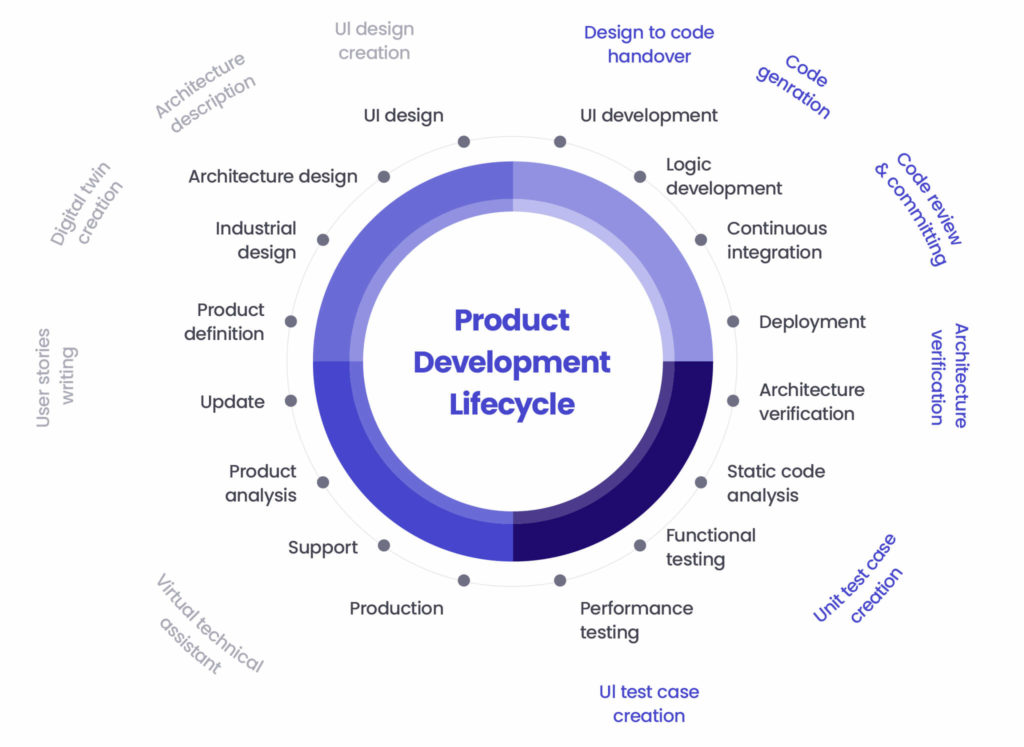
Product managers must now prioritize the orchestration of AI agents rather than just the coordination of individual developer tasks. To maintain control, teams should adopt a 'Human-in-the-Loop' (HITL) governance model within their existing sprint structures.
This involves inserting mandatory validation checkpoints where product managers review AI-generated features for edge cases that automated tests might miss. By treating AI as a high-velocity junior developer, product managers can maintain the rigor of established frameworks while leveraging the speed of machine-assisted delivery.
Managing technical debt in rapid release environments
The primary risk of AI-accelerated delivery is the accumulation of 'synthetic' technical debt. AI tools can generate functional code at an unprecedented pace, but they often lack the architectural context to ensure long-term system maintainability.
When features are shipped in hours rather than weeks, the pressure to bypass refactoring becomes intense, leading to a brittle codebase that is difficult to scale. To balance innovation speed with system stability, product managers must integrate automated technical debt audits into their CI/CD pipelines.
Instead of relying on manual code reviews, teams should use static analysis tools like SonarQube or Snyk to flag AI-generated vulnerabilities or redundant logic immediately upon commit. Furthermore, product managers should implement a 'Debt-to-Feature' ratio in their roadmap planning.
For every three AI-assisted feature releases, the framework should mandate a dedicated 'stabilization sprint' focused exclusively on refactoring and documentation. This prevents the accumulation of technical debt from becoming a bottleneck that eventually halts innovation entirely. By formalizing these guardrails, teams ensure that the speed gained through AI does not come at the cost of long-term product integrity.
Cross-functional alignment in decentralized teams
AI-driven delivery cycles accelerate development velocity, but they often fragment team focus. When engineering teams deploy code daily rather than bi-weekly, product managers risk losing visibility into how specific features map back to long-term business objectives.
Maintaining alignment requires shifting from manual status updates to automated, data-backed visibility.
Standardizing communication across departments
To ensure product strategy remains the single source of truth, teams must integrate their project management tools directly with their communication hubs. Relying on fragmented Slack threads or disparate Jira boards creates silos that AI-accelerated workflows exacerbate.
Instead, successful saas marketing agencies frameworks prioritize centralized dashboards that aggregate data from engineering, sales, and customer success. Implement these three rituals to maintain alignment:
- Automated Roadmap Syncs: Use tools like Productboard or Linear to automatically push engineering progress updates to a public-facing roadmap. This prevents the need for manual status reports and ensures stakeholders see real-time shifts in delivery timelines.
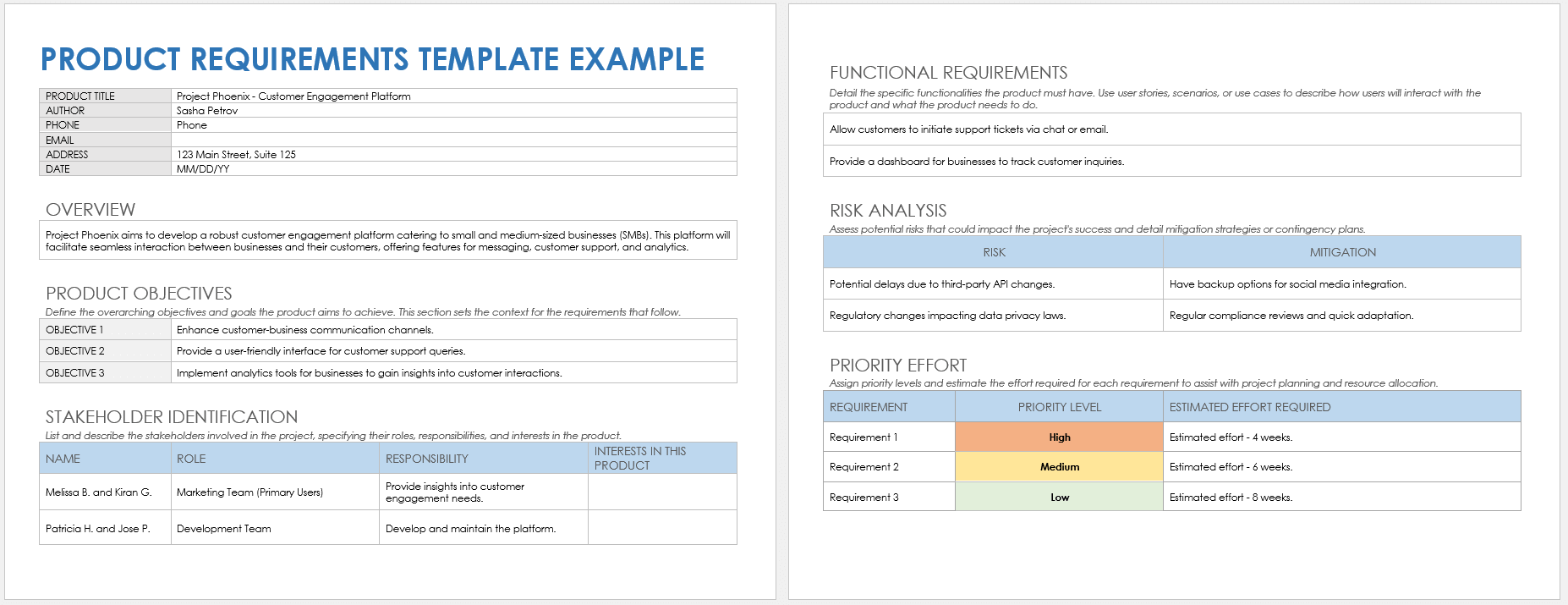
- Context-Rich Documentation: Every AI-generated code commit or feature release should be linked to a specific product requirement document (PRD) in Notion or Confluence. This creates an audit trail that connects the "what" of the code to the "why" of the strategy.
- Cross-Departmental Feedback Loops: Establish a bi-weekly "Product-Market Pulse" meeting where customer success leads present qualitative feedback alongside quantitative usage data from tools like Pendo or Mixpanel. This forces product managers to reconcile AI-driven delivery speed with actual user pain points.
By treating the product roadmap as a living document rather than a static plan, teams can pivot quickly without losing sight of the overarching strategy. The goal is to move away from "reporting on work" and toward "validating outcomes." When every department accesses the same data set, the friction caused by rapid delivery cycles diminishes, allowing the team to focus on high-impact iterations rather than administrative overhead.
Measuring the effectiveness of your chosen framework
Selecting and implementing SaaS product management frameworks is only the first step. To determine if your AI-driven delivery cycles are actually improving outcomes, you must establish a feedback loop that connects development velocity to business results.
If your framework prioritizes rapid shipping but fails to move the needle on user value, it is merely creating technical debt at a faster pace.
Key performance indicators for product health
Move away from output-based metrics like story points or sprint velocity. While these help manage team capacity, they do not measure the success of your product strategy. Focus instead on outcome-based metrics that reflect the actual health of your SaaS offering.
- Net Revenue Retention (NRR): This is the gold standard for SaaS health. It measures the percentage of recurring revenue retained from existing customers, including upgrades, downgrades, and churn. If your AI-driven delivery cycles are working, NRR should climb as you release features that solve deeper customer pain points.
- Product Adoption Rate: Track the percentage of your user base that actively engages with new features within the first 30 days of release. High velocity is meaningless if users ignore the updates you push.
- Time-to-Value (TTV): Measure how quickly a new user reaches their first 'aha' moment. AI-assisted development should ideally shorten this window by automating onboarding steps or simplifying complex workflows.
- Feature Usage vs. Maintenance Cost: Map every feature to its ongoing infrastructure and support cost. If a feature is rarely used but requires high maintenance, your framework is failing to prioritize effectively.
To audit your current framework, perform a quarterly 'value-stream mapping' exercise. Compare the time spent on high-impact features—those directly tied to NRR—against time spent on low-impact bug fixes or legacy maintenance.
If the ratio of high-impact work is stagnant despite AI integration, you are likely using your framework as a process wrapper rather than a strategic tool. Adjust your prioritization logic to favor features that show the highest correlation with user retention, rather than simply filling the backlog with AI-generated suggestions.
Common pitfalls in framework implementation
Integrating AI-driven delivery cycles into existing SaaS product management frameworks often fails when teams prioritize adherence to methodology over actual product outcomes. Many organizations treat frameworks like Agile, Scrum, or Shape Up as rigid mandates rather than flexible toolkits.
This dogmatic approach leads to teams spending more time managing the process—updating Jira tickets, attending redundant ceremonies, or mapping AI-generated outputs to outdated documentation—than shipping value to users.
Avoiding process paralysis
Process paralysis occurs when the overhead of maintaining a framework outweighs the velocity gains provided by AI automation. When your delivery cycle accelerates due to AI-assisted coding or automated QA, your management framework must lean out accordingly.
If you find your product managers spending four hours a day in status meetings to track tasks that AI now completes in minutes, the framework has become a bottleneck. To prevent this, implement the following guardrails:
- Outcome-based tracking: Shift focus from measuring velocity (story points) to measuring impact (conversion rates, churn reduction, or feature adoption). AI can generate high volumes of code, but only human oversight ensures that code solves a specific business problem.
- Just-in-time documentation: Abandon the practice of exhaustive upfront requirement gathering. Use AI tools to generate documentation dynamically as features move through the pipeline, rather than forcing product managers to write comprehensive specs before development begins.
- The 80/20 rule for ceremonies: If a recurring meeting does not directly result in a decision or a blocker removal, eliminate it. AI-driven project management tools like Linear or Asana can provide real-time visibility, making daily stand-ups redundant for many high-performing teams.
The goal of any framework is to provide structure, not to create administrative debt. If your current workflow requires manual intervention for every AI-generated sprint increment, you are likely over-engineering your process. Audit your delivery cycle quarterly; if a specific step in your framework does not directly contribute to faster iteration or higher quality, remove it immediately.
Frequently Asked Questions
Impact of AI integration on traditional product management frameworks
AI integration shifts the focus from manual backlog grooming to automated prioritization, requiring frameworks like RICE or MoSCoW to incorporate real-time usage data and predictive performance metrics.
Relevance of SaaS product management frameworks in the AI era
No, frameworks remain essential for strategic alignment, but they must evolve to handle higher velocity and the increased complexity of managing AI-generated code and feature iterations.

