
.webp)
.png)
Escalating scrutiny of roboteacher data collection
Educational institutions are facing intense pressure to address security and privacy concerns with roboteacher data as AI-driven tutoring systems capture granular behavioral metrics. Unlike static learning management systems, roboteachers process real-time voice, facial expressions, and emotional state data to adjust pedagogical strategies.
This shift transforms student data from simple grade records into high-fidelity biometric and psychological profiles. These datasets create significant vulnerabilities if they are intercepted or mishandled.
Data residency and cloud storage risks
Most roboteacher platforms rely on centralized cloud infrastructure to process natural language inputs and maintain long-term student models. When interaction logs—which include sensitive audio transcripts and sentiment analysis—are stored on third-party servers, the institution loses direct physical control over the data. This creates a complex chain of custody where the privacy of the student depends entirely on the vendor's encryption standards and internal access policies.
Technical risks arise specifically from multi-tenant cloud architectures. If a cloud provider fails to implement robust logical isolation between different school districts, a misconfiguration could theoretically expose cross-institutional data.
Furthermore, data residency laws such as GDPR in Europe or FERPA in the United States often conflict with the global nature of cloud computing. If a vendor routes data through servers located in jurisdictions with weaker privacy protections, schools may inadvertently violate local compliance mandates.
Administrators must verify whether vendors use end-to-end encryption for data in transit. More importantly, they must check if vendors employ zero-knowledge architectures where the service provider itself cannot decrypt the student interaction logs.
Beyond storage, the persistence of these logs poses a long-term threat. While a math quiz score is relatively low-risk, a multi-year history of a student's frustration patterns or learning disabilities, as documented by an AI tutor, constitutes sensitive personal information. If this data is not subject to strict retention policies or automated anonymization, it remains a permanent target for data breaches that could impact a student's academic or professional future.
Addressing security and privacy concerns with roboteacher data

Educational institutions deploying AI-driven pedagogical tools face a fundamental tension between high-fidelity learner insights and strict data protection mandates. When benefits of roboteachers in modern education are weighed against privacy risks, they generate granular logs covering speech patterns, response latency, and emotional engagement markers.
These data points are essential for adaptive learning algorithms but simultaneously create a high-value target for unauthorized access or re-identification attacks.
Anonymization protocols for behavioral analytics
The primary trade-off in managing roboteacher datasets lies in the conflict between personalization and privacy. To train effective models, developers require longitudinal data that tracks individual student progress. However, maintaining such records necessitates robust anonymization protocols that go beyond simple pseudonymization.
Standard practice now requires the implementation of differential privacy. This technique injects mathematical noise into datasets to ensure that the presence or absence of a single student does not significantly alter the output of the analytics model.
Effective anonymization strategies for behavioral data typically involve three layers:
- Tokenization of PII: Replacing direct identifiers like student IDs or names with rotating, encrypted tokens that cannot be mapped back to a specific individual without a restricted decryption key held by the institution.
- Feature Generalization: Converting precise timestamps or geolocation data into broader categories (e.g., converting a specific login minute into a time-of-day block) to prevent pattern-matching attacks.
- K-Anonymity Enforcement: Ensuring that any behavioral profile shared with third-party developers or research partners belongs to a cohort of at least 'k' individuals, making it statistically impossible to isolate a single student's unique learning trajectory.
These protocols introduce operational friction. Excessive stripping of data can degrade the roboteacher’s ability to provide tailored interventions, effectively neutralizing the pedagogical benefits of the technology.
Institutions must therefore establish clear data governance policies that define the minimum viable dataset required for specific learning outcomes. By limiting the scope of data collection to strictly necessary behavioral markers—and purging raw audio or video logs immediately after feature extraction—schools can significantly reduce the attack surface while maintaining the efficacy of their AI-supported curriculum.
Vendor liability and contractual safeguards
Educational institutions must shift from passive service agreements to active liability frameworks when integrating automated instruction systems. Because roboteacher platforms process sensitive student performance data and behavioral metrics, standard SaaS contracts often fail to provide adequate recourse in the event of a breach.
Legal teams should insist on indemnification clauses that specifically cover data corruption, unauthorized model training on student inputs, and algorithmic bias resulting in discriminatory outcomes.
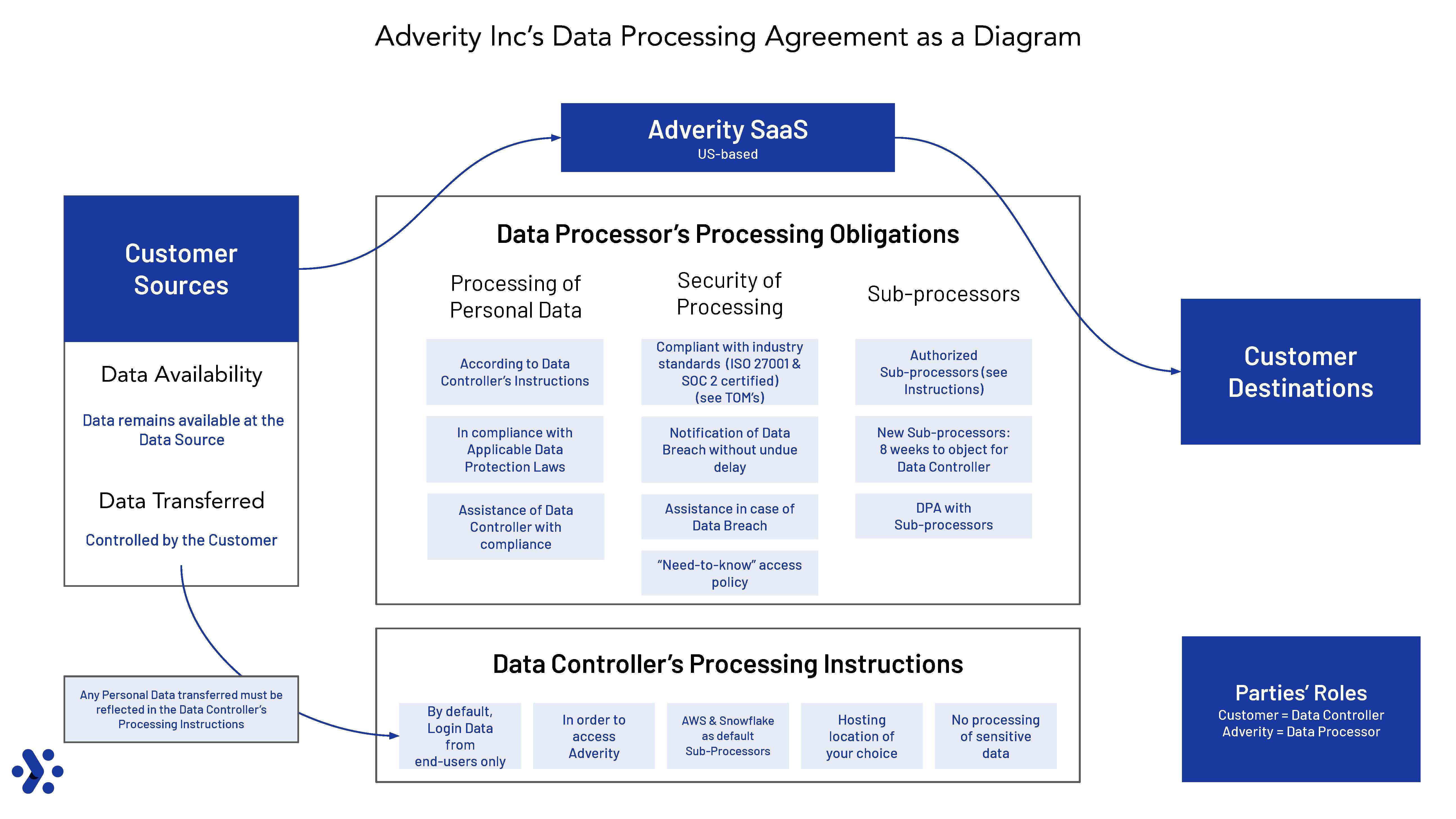
When vetting vendors, procurement departments must demand a Data Processing Agreement (DPA) that explicitly prohibits the use of student data for the provider's secondary model training. If a vendor claims their AI is 'self-improving,' they must prove that this improvement occurs within a sandboxed, anonymized environment that never touches identifiable student records. Without these contractual safeguards, the institution remains the primary entity liable for regulatory non-compliance under federal privacy laws.
Audit requirements for AI transparency
To verify that roboteacher systems comply with FERPA (Family Educational Rights and Privacy Act) and COPPA (Children's Online Privacy Protection Act) standards, institutions must mandate specific documentation from their vendors. Transparency is not merely a marketing term; it is a technical requirement that must be supported by the following artifacts:
- Data Flow Diagrams: Detailed maps showing exactly where student data is stored, which third-party APIs it touches, and how long it persists in memory versus long-term storage.
- Model Provenance Reports: Documentation confirming the datasets used to train the underlying LLM or machine learning model, ensuring no copyrighted or sensitive data was ingested during the pre-training phase.
- PII De-identification Logs: Evidence of automated processes that strip Personally Identifiable Information (PII) before data is sent to cloud-based inference engines.
- Independent SOC 2 Type II Reports: Current audit reports that specifically assess the security controls applied to the AI infrastructure, not just the general corporate network.
Institutions should treat these documents as non-negotiable prerequisites for deployment. If a vendor cannot provide a clear audit trail of how they handle data privacy, the risk of a FERPA violation—which can lead to the loss of federal funding—far outweighs the perceived pedagogical benefits of the AI tool. Regular, third-party penetration testing reports should also be requested annually to ensure that the system's security posture has not degraded as the software receives updates.
Impact on classroom integration workflows
Educational institutions are fundamentally altering how they procure and deploy AI-driven instructional tools to address security and privacy concerns with roboteacher data. Administrators now prioritize data sovereignty, moving away from cloud-dependent architectures that require sensitive student performance metrics to be stored on third-party servers.
This shift forces IT departments to conduct rigorous vendor audits, focusing specifically on how long data is retained and whether it is used to train proprietary foundation models.
The shift toward local processing models
To mitigate the risks associated with data breaches and unauthorized access, schools are increasingly adopting edge computing solutions. By moving AI inference to local devices—such as classroom tablets or dedicated on-site servers—institutions ensure that raw student audio, video, and behavioral data never leave the school's internal network. This architecture effectively eliminates the transit risks inherent in cloud-based API calls.
Implementing local processing models requires a significant change in hardware procurement. Schools are moving toward devices equipped with Neural Processing Units (NPUs) capable of running lightweight Large Language Models (LLMs) locally. While this approach limits the complexity of the AI compared to massive cloud-hosted models, it provides a verifiable compliance framework for FERPA and COPPA regulations.
Teachers benefit from lower latency during real-time feedback loops, while administrators gain peace of mind knowing that sensitive classroom interactions remain within the physical perimeter of the school building.
Workflow integration now includes a mandatory 'data minimization' step. Before a roboteacher is deployed, IT teams map the data lifecycle, ensuring that only anonymized, non-identifiable tokens are sent to external services if cloud connectivity is strictly necessary for specific features. This granular control over data flow represents a departure from the 'plug-and-play' adoption models of the past, favoring a security-first approach that treats student privacy as a foundational component of the educational experience rather than an afterthought.
Frequently Asked Questions
Primary risks associated with roboteacher data
The primary risks include unauthorized access to student behavioral analytics, potential re-identification of anonymized datasets, and the lack of transparency regarding how third-party AI vendors store or train models on sensitive classroom interactions.
Policy adjustments for educational data management
Institutions are moving toward 'data minimization' strategies, requiring vendors to provide granular audits of data lifecycle management and implementing stricter contractual clauses that prohibit the use of student data for secondary model training.

