
.webp)
.png)
Capital expenditure versus operational sustainability: Challenges of implementing roboteachers in schools
The primary financial barrier to adopting robotic assistants in classrooms is the shift from traditional, static educational materials to high-maintenance, depreciating assets. Schools often focus on the initial purchase price, but the true financial burden lies in maintaining a fleet of robots that require constant updates, specialized repairs, and eventual replacement within a three-to-five-year window.
Hardware depreciation and lifecycle management
Robotics hardware in education faces a faster obsolescence cycle than standard computing equipment. Unlike a desktop computer, which can be repurposed for administrative tasks, a specialized roboteacher often relies on proprietary sensors and actuators that lose software support rapidly.
To manage this, school boards must implement a sinking fund that accounts for a 25% annual depreciation rate. Relying on a single vendor for hardware creates a vendor lock-in scenario where the cost of replacement parts often exceeds the value of the unit itself.
Procurement teams should prioritize modular hardware designs—such as platforms like the NAO or Pepper robots—where individual limbs or sensors can be swapped without replacing the entire chassis.
Hidden costs of technical support and staff training
Budgeting for the challenges of implementing roboteachers in schools frequently ignores the human capital required to keep the machines operational. Beyond the purchase price, institutions must account for specialized IT personnel who understand robotics-specific middleware, such as ROS (Robot Operating System).
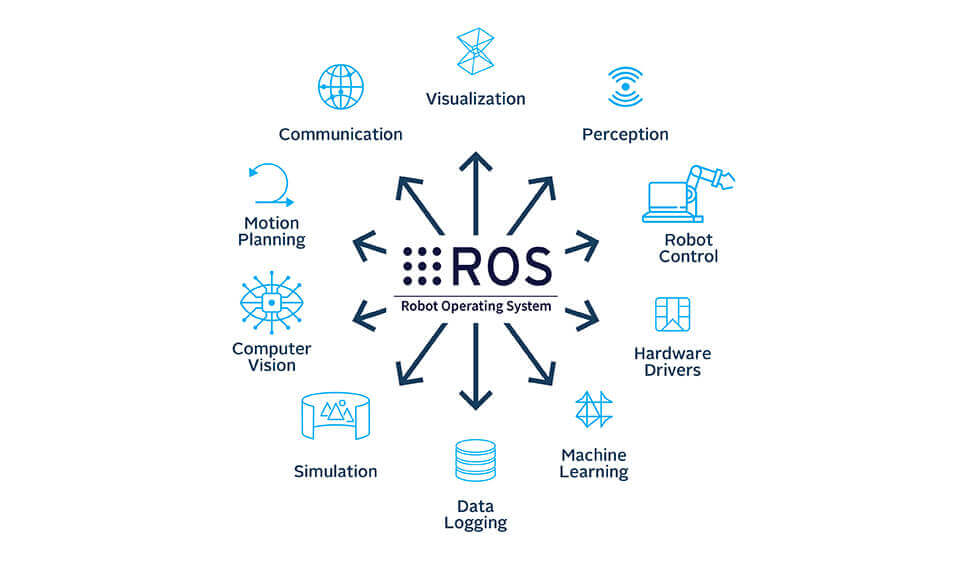
If a school lacks an in-house robotics technician, they are forced into expensive service-level agreements (SLAs) with vendors, which can cost between 10% and 15% of the initial hardware investment annually.
Staff training represents another significant, recurring expense. Teachers require more than basic operational training; they need pedagogical integration workshops to ensure the robot serves as a supplement to, rather than a distraction from, the curriculum.
Professional development sessions must be refreshed every semester to accommodate software updates and new interaction protocols, creating a permanent line item in the annual school budget that is rarely accounted for during the initial pilot phase.
Quantifying educational outcomes for ROI calculation
Calculating the return on investment for robotic systems requires moving beyond anecdotal success stories. Schools must establish a baseline for student performance before deployment to isolate the specific impact of robotic intervention. Without rigorous data collection, the high upfront costs of hardware, software licensing, and ongoing maintenance often obscure the actual pedagogical value delivered.
Metrics for student engagement and learning velocity
To assess the effectiveness of robotic intervention, administrators should focus on granular KPIs that track behavioral and academic shifts. Measuring engagement is not about subjective observation; it involves tracking specific data points such as time-on-task, frequency of interaction with the robot, and the reduction in student distraction rates. Tools like ClassDojo or integrated Learning Management System (LMS) analytics can provide the raw data necessary to map these behaviors against baseline classroom performance.

Learning velocity serves as a more direct indicator of academic ROI. By measuring the time required for a student to master a specific competency—such as foundational coding logic or foreign language vocabulary—when assisted by a robot versus traditional instruction, schools can quantify efficiency gains. If a robot reduces the time-to-mastery by 15%, that efficiency translates into a quantifiable reduction in the cost-per-student for that curriculum module.
However, the challenges of implementing benefits of roboteachers in modern education often stem from the difficulty of isolating these variables. To ensure data integrity, schools should implement A/B testing protocols where one cohort utilizes the robotic assistant while a control group receives standard instruction. This approach allows for a direct comparison of standardized test scores and long-term retention rates.
When schools fail to account for external factors like teacher experience or classroom size, the resulting ROI analysis becomes unreliable, leading to poor budgetary decisions and potential abandonment of useful technology. Ultimately, the financial model must account for the total cost of ownership, including the hidden expenses of professional development for staff and technical troubleshooting. By aligning these costs with measurable improvements in student engagement and learning velocity, districts can move from speculative adoption to evidence-based investment.
Scalability hurdles in diverse classroom environments
Deploying robotic systems across a district involves more than purchasing hardware; it requires a standardized ecosystem that rarely exists in public education. Most schools operate with fragmented software stacks, making the integration of proprietary robot APIs a significant technical bottleneck.
When a district scales from a pilot program in one classroom to a campus-wide initiative, the variance in physical space, lighting conditions, and student-to-teacher ratios often causes performance degradation in autonomous navigation and voice recognition systems.
Infrastructure requirements and connectivity overhead
The financial burden of upgrading school networks to support robotic integration is frequently underestimated in initial budget projections. Most legacy school Wi-Fi environments are designed for low-bandwidth tasks like web browsing and document editing. Implementing a fleet of roboteachers requires high-density, low-latency connectivity to ensure real-time data processing and cloud-based AI synchronization.
Without dedicated sub-6GHz or Wi-Fi 6E infrastructure, schools face frequent packet loss, leading to robotic latency that disrupts classroom flow and creates frustration for both students and educators. Beyond the initial hardware costs, schools must account for the ongoing operational expenditure of maintaining a stable edge-computing environment. Many modern educational robots rely on constant cloud connectivity for natural language processing.

If a school’s bandwidth is throttled during peak hours—such as when an entire grade level is simultaneously using tablets for standardized testing—the roboteachers may experience significant downtime or degraded response times. This necessitates a redundant network architecture, often requiring schools to invest in dedicated fiber-optic lines or private 5G networks, which can increase the total cost of ownership by 20% to 35% annually.
Furthermore, the physical maintenance of charging stations and battery management systems across multiple floors adds a layer of facility management complexity that custodial staff are rarely trained to handle, creating a hidden labor cost that impacts the long-term ROI of the technology.
Risk mitigation in long-term technology adoption
Schools often view robotics as a one-time capital expenditure, but the true fiscal burden lies in the operational lifecycle. To address the challenges of implementing roboteachers in schools, administrators must shift from a procurement mindset to a lifecycle management strategy. This involves establishing clear exit clauses in service-level agreements and ensuring that hardware remains functional even if a specific software provider ceases operations or pivots their business model.
Vendor lock-in and proprietary software dependencies
The most significant financial risk stems from choosing closed-ecosystem robotic platforms. When a school district commits to a specific vendor, they often become tethered to that company’s proprietary software, cloud infrastructure, and maintenance ecosystem.
This creates a high switching cost; if the vendor increases subscription fees by 20% annually, the school has little leverage because migrating student data, curriculum integrations, and teacher training to a new platform is prohibitively expensive.
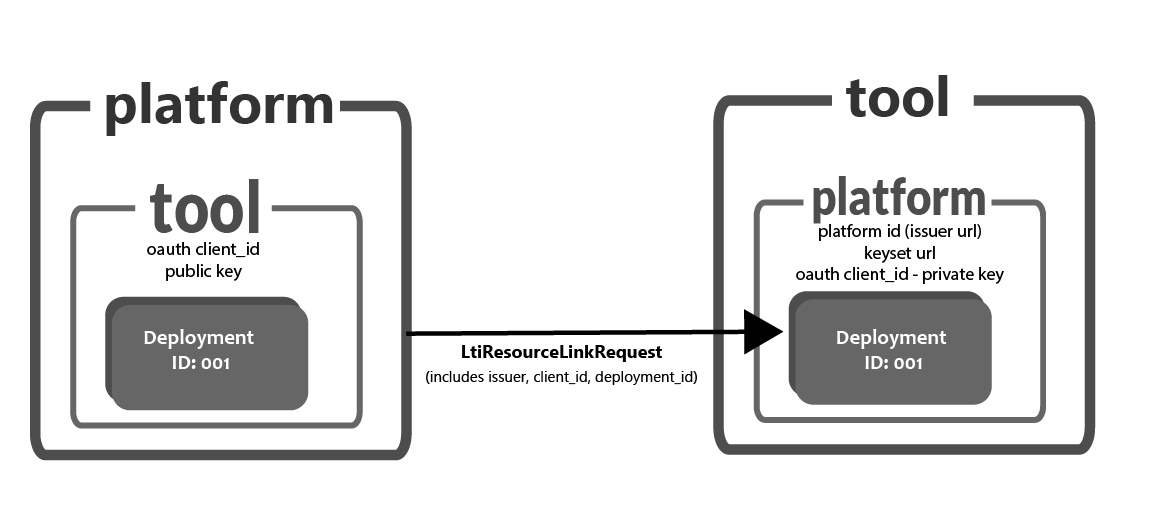
To mitigate this, procurement teams should prioritize platforms that support open-source standards or interoperability protocols like LTI (Learning Tools Interoperability). Before signing a contract, demand a data portability plan that outlines how student progress records and lesson configurations can be exported in non-proprietary formats such as JSON or CSV.
Relying on a single vendor for both hardware and software creates a single point of failure. If the hardware requires a proprietary firmware update that breaks existing lesson plans, the school is forced to wait for the vendor’s timeline rather than troubleshooting the issue internally. Administrators must also prioritize security and privacy concerns with roboteacher data to ensure student records remain protected during these updates.
Budgeting for long-term adoption requires a contingency fund of at least 15% of the initial investment to cover unforeseen software licensing hikes or hardware obsolescence. By diversifying the technology stack and avoiding platforms that require constant, mandatory cloud connectivity, schools can maintain pedagogical continuity. This approach protects the initial ROI by ensuring that the robots remain assets rather than becoming expensive, electronic paperweights when a vendor contract expires or a company goes out of business.
Frequently Asked Questions
Primary financial hurdles when deploying classroom robots
Beyond the initial purchase price, schools must account for recurring software licensing, specialized teacher training, hardware maintenance, and the potential need for upgraded network infrastructure to support low-latency AI interactions.
Standardized methods for measuring roboteacher ROI
ROI should be measured through a combination of quantitative metrics, such as time saved on administrative grading tasks, and qualitative improvements in student engagement or personalized learning outcomes that reduce the need for expensive remedial tutoring.
- Performance analysis of roboteachers within hybrid classroom environments
- Economic impact analysis of benefits of roboteachers in modern education
- Ethical implications of using roboteachers in modern classrooms
- Practical implications of the roboteachers vs human teachers comparison for modern educators

