
.webp)
.png)
The core responsibilities of a crypto lawyer
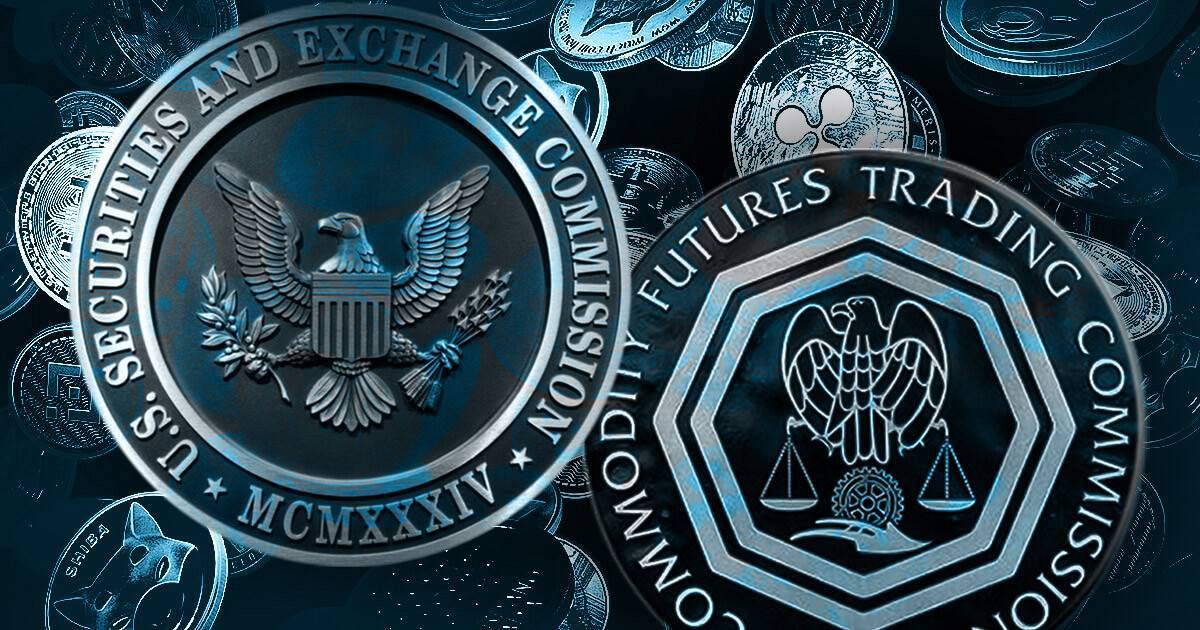
When asking what do best crypto lawyers do, the answer is that they act as the primary bridge between decentralized technology and rigid legal frameworks. Their role extends far beyond standard corporate filing; they translate complex blockchain protocols into language that regulators like the SEC or CFTC can evaluate, ensuring that innovative projects do not inadvertently trigger enforcement actions or asset freezes.
Navigating regulatory compliance
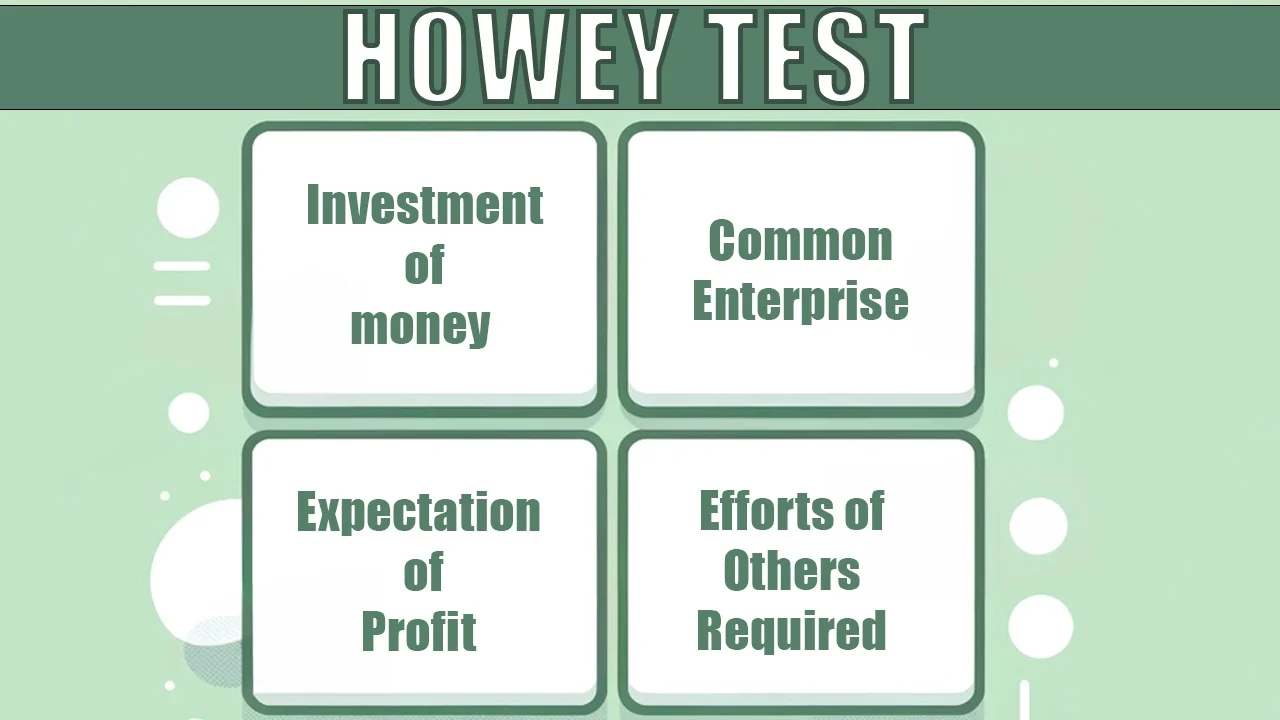
Lawyers in this space spend significant time performing "Howey Test" analyses to determine if a digital asset qualifies as an investment contract. They monitor shifting guidance from the SEC regarding decentralized finance (DeFi) protocols and the CFTC’s stance on commodity classification for tokens.
When a project launches, counsel must draft detailed legal memos that justify why a token is a utility rather than a security, providing a defensive layer should the project face an inquiry. They also manage international jurisdictional risks, advising teams on whether to geofence specific regions where local laws—such as the EU’s MiCA regulation—impose strict licensing requirements for crypto-asset service providers.
Structuring token sales and ICOs
The legal mechanics of fundraising have evolved from the unregulated crypto ICOs era to sophisticated, compliant structures. Crypto lawyers facilitate these raises by drafting Simple Agreements for Future Tokens (SAFTs), which allow developers to raise capital while delaying token distribution until the network is functional. This structure is designed to avoid immediate securities registration requirements.
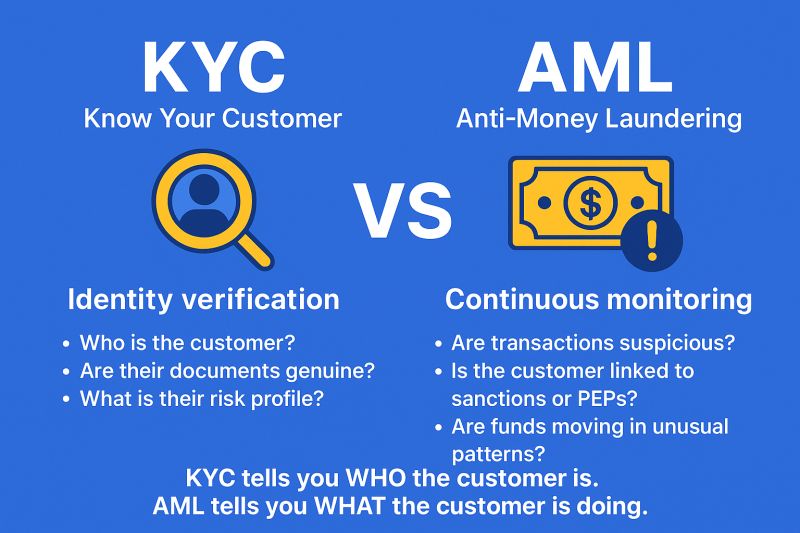
Counsel also manages the implementation of rigorous Know Your Customer (KYC) and Anti-Money Laundering (AML) protocols, which are part of essential crypto due diligence. By integrating these checks into the smart contract or the front-end interface, lawyers ensure that token issuers comply with global financial crime standards without compromising the pseudonymity inherent to blockchain technology. They also oversee the creation of whitepapers to ensure that disclosures are accurate and do not contain misleading promises of profit, which is a common trigger for class-action litigation in the crypto sector.
What do crypto lawyers do during enforcement actions
When regulatory bodies like the SEC or CFTC initiate investigations, crypto lawyers function as the primary buffer between a project and aggressive litigation. Their role shifts from proactive compliance to defensive maneuvering, focusing on preserving the entity's operational viability while navigating complex federal investigations.
Defending against SEC litigation
The defense process typically begins with a Wells notice, which serves as a formal notification that the SEC staff intends to recommend an enforcement action. Crypto lawyers use this window to draft a Wells submission—a document that argues why the commission should not bring charges.
This involves a rigorous analysis of the Howey Test as applied to the client's specific tokenomics, often challenging the SEC's characterization of the asset as an investment contract. Effective defense strategies during this phase involve several tactical steps:
- Document Preservation and Privilege: Lawyers immediately implement litigation holds and conduct internal audits to identify which communications are protected by attorney-client privilege, preventing the government from accessing sensitive strategic discussions.
- Negotiating Scope: Counsel works to narrow the scope of subpoenas, pushing back against overly broad requests for internal developer chats or private investor data that may not be relevant to the specific allegations.
- Expert Testimony Integration: Legal teams often partner with blockchain forensic experts to provide technical evidence that contradicts regulatory claims, such as demonstrating that a token has actual utility rather than functioning solely as a speculative security.
- Settlement vs. Litigation Analysis: Lawyers perform a cost-benefit analysis to determine if a settlement—often involving a disgorgement of funds and a cease-and-desist order—is preferable to a protracted court battle that could drain the project's treasury and destroy investor confidence.
Beyond the courtroom, these attorneys manage the public narrative. They coordinate with crypto marketing agencies to ensure that legal filings do not inadvertently trigger market panic or provide the SEC with additional ammunition regarding the project's intent. By controlling the flow of information, they protect the project from secondary regulatory scrutiny that often follows high-profile enforcement actions.
Asset recovery and smart contract disputes
When digital assets are stolen or locked in faulty code, crypto lawyers act as the bridge between immutable blockchain data and the traditional legal system. Unlike standard litigation, these cases require an understanding of how to freeze assets on centralized exchanges and how to serve legal process to anonymous wallet holders.
Tracing stolen funds — Working with blockchain forensics firms to track illicit transactions
Crypto lawyers rarely work in isolation when investigating theft. They typically partner with blockchain forensics firms like Chainalysis, TRM Labs, or Elliptic to map the movement of funds across multiple chains. The lawyer’s role is to convert this technical data into admissible evidence for court filings or law enforcement reports.
The process generally follows these steps:
- Evidence Collection: The legal team secures the forensics report, which identifies the destination addresses and the specific exchanges receiving the stolen funds.
- Injunctive Relief: Lawyers file emergency motions to obtain "John Doe" subpoenas, forcing centralized exchanges (like Coinbase or Binance) to freeze the accounts associated with the illicit addresses.
- Jurisdictional Coordination: Because crypto transactions cross borders, lawyers must navigate international mutual legal assistance treaties (MLATs) to ensure that a freeze order in one country is recognized by an exchange headquartered in another.
Beyond theft, crypto lawyers handle disputes arising from flawed smart contracts. If a decentralized finance (DeFi) protocol suffers an exploit due to a coding error, the legal team must determine if the developers are liable for negligence. They analyze the contract's audit history and the terms of service to see if the protocol’s governance structure provides any legal recourse for users. In many cases, these lawyers help clients negotiate settlements with protocol teams to recover lost liquidity without resorting to years of litigation, which is often impractical given the speed of the crypto market.
The difference between general counsel and litigation specialists
Understanding what do crypto lawyers do requires distinguishing between proactive advisory roles and reactive courtroom defense. General counsel typically operate as the internal architects of a project's compliance framework. They spend their days drafting terms of service, reviewing whitepapers for potential securities violations under the Howey Test, and ensuring that token distribution models do not inadvertently trigger registration requirements with the SEC or CFTC.
These advisory lawyers focus on preventative maintenance. They negotiate partnerships with centralized exchanges, vet custody solutions for institutional-grade security, and manage the complex tax implications of cross-border decentralized finance (DeFi) transactions. Their primary goal is to build a regulatory moat around the project, minimizing the risk of a "Wells Notice" or a formal investigation before it ever begins.
Conversely, litigation specialists enter the picture when the regulatory environment shifts from advisory to adversarial. When a project faces a class-action lawsuit from disgruntled investors or a subpoena from the Department of Justice, litigation counsel takes the lead. Their work is fundamentally different:
- Evidence Preservation: They oversee the forensic collection of on-chain data and private communications to ensure compliance with discovery rules.
- Jurisdictional Defense: They argue the nuances of where a decentralized protocol actually "resides"—a critical factor when regulators attempt to apply local laws to global, permissionless networks.
- Settlement Negotiation: They manage the high-stakes discussions with government agencies, often aiming for "no-admit, no-deny" settlements to protect the project's long-term reputation.
- Expert Witness Coordination: They bridge the gap between complex smart contract code and legal interpretation, hiring blockchain forensics experts to testify on the technical reality of how a protocol functions.
A project might employ a general counsel to ensure their DAO governance structure is legally sound, but if that same DAO is sued for an alleged rug pull or securities fraud, the general counsel will often bring in a litigation specialist. While the former focuses on the "how-to" of compliant growth, the latter focuses on the "what-if" of survival. Relying on a lawyer who lacks experience in both domains can leave a project vulnerable; a litigator without crypto-specific knowledge may fail to explain the nuances of non-custodial wallets, while a generalist may lack the courtroom experience to handle a federal deposition.
Common misconceptions about crypto legal services
Many founders assume that crypto lawyers are merely glorified paralegals who handle SEC filings or draft basic terms of service. In reality, the scope of their work is far more strategic and often involves navigating the intersection of emerging technology and rigid, centuries-old financial regulations. A common myth is that legal counsel is only necessary when a project faces a formal investigation or a cease-and-desist order. Proactive legal involvement is actually a core component of sustainable product development.
Another frequent misconception is that crypto lawyers can simply provide a "legal opinion" that guarantees a token is not a security. No lawyer can unilaterally exempt a project from regulatory scrutiny. Instead, they analyze the "Howey Test" factors—specifically the expectation of profit derived from the efforts of others—and help teams structure their ecosystems to minimize risk. This involves advising on decentralized governance models, token utility, and the technical architecture of smart contracts to ensure they align with the stated legal framework.
Some stakeholders also believe that hiring a lawyer stifles innovation by forcing decentralized protocols into centralized boxes. Effective crypto counsel does the opposite; they provide the guardrails that allow innovation to flourish without triggering catastrophic enforcement actions. For example, they might advise on:
- Jurisdictional arbitrage: Evaluating the regulatory climate of various regions like the BVI, Cayman Islands, or Switzerland to determine where to incorporate based on the project's specific compliance appetite.
- DAO structuring: Drafting legal wrappers for decentralized autonomous organizations to protect individual contributors from unlimited personal liability, which is a key aspect of crypto community building.
- Custody and security: Reviewing the legal implications of multi-signature wallet arrangements and the fiduciary duties of those holding administrative keys.
Finally, there is a belief that crypto legal services are purely reactive. The most successful projects integrate legal counsel into their engineering sprints. By reviewing whitepapers and tokenomics models before they are finalized, lawyers help prevent "regulatory debt"—a situation where a project launches with a structure that is fundamentally incompatible with global financial laws, making it nearly impossible to pivot later without a complete shutdown. This proactive approach is vital for any crypto startup.
Frequently Asked Questions
What do crypto lawyers do during an SEC investigation?
They manage document production, coordinate responses to Wells notices, and argue the technical nuances of whether a specific token qualifies as an investment contract under the Howey Test.Do I need a crypto lawyer for a DAO?
Yes. Crypto lawyers help structure DAOs to limit personal liability for members, as many decentralized organizations are currently treated as general partnerships by default, exposing participants to unlimited personal liability.

