
.webp)
.png)

The disconnect between theory and legal application
Most blockchain for lawyers courses fail because they prioritize technical jargon over the practical mechanics of legal risk management. They often spend hours explaining how a hash function works or the history of Satoshi Nakamoto, while neglecting the actual drafting of smart contract clauses or the jurisdictional complexities of decentralized autonomous organizations (DAOs).
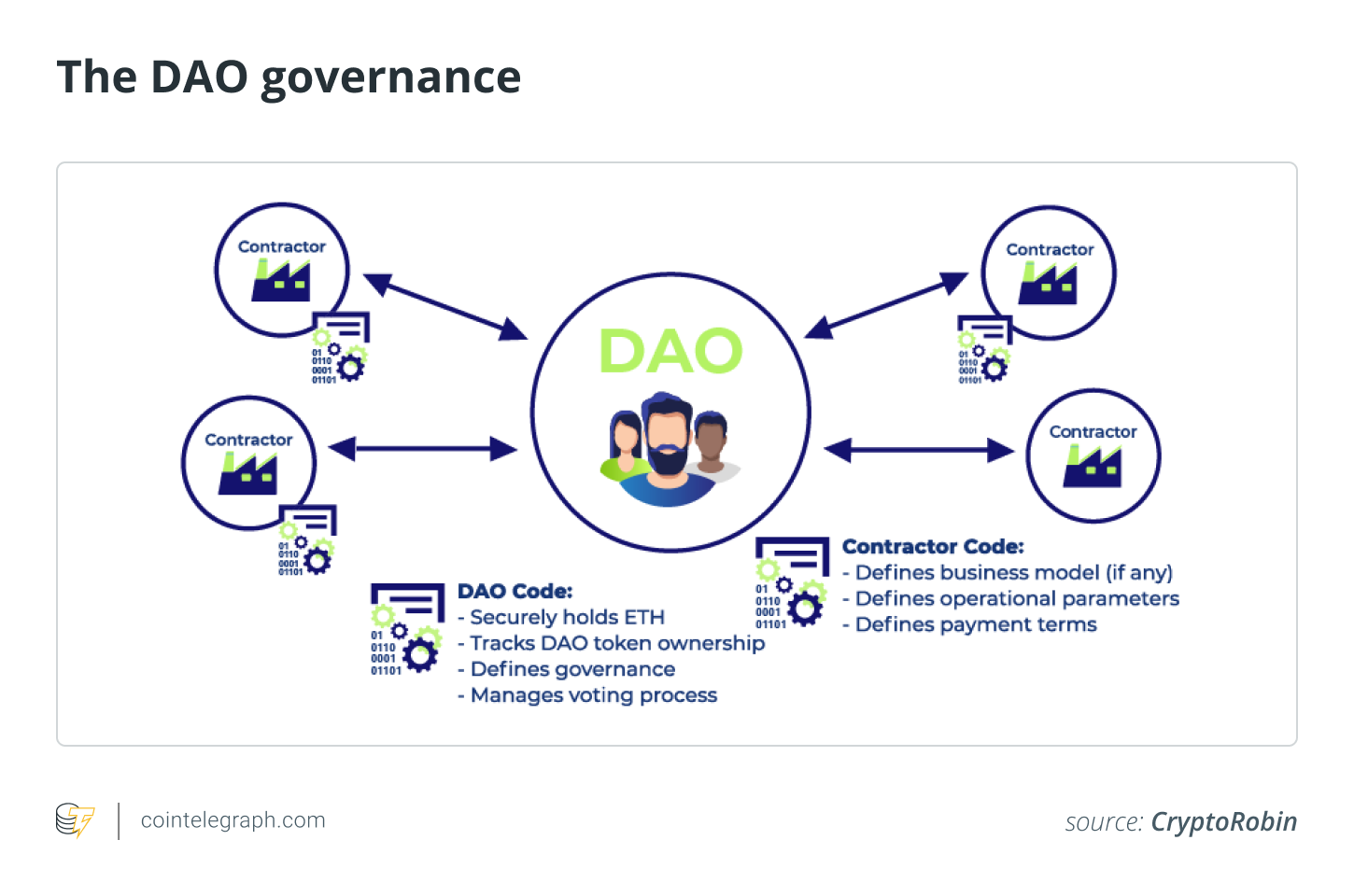
A lawyer does not need to know how to build a blockchain. They need to know how to advise a client on the liability implications when a self-executing contract encounters a bug or a change in local securities law.
Identifying high-value legal use cases
- Smart Contract Auditing and Drafting: Moving from standard boilerplate to code-integrated legal agreements. This requires understanding how to draft "human-readable" fallback provisions that trigger when code fails or when a court order demands a reversal of an immutable transaction.
- Asset Tokenization: Navigating the intersection of property law and distributed ledger technology. Lawyers must understand how to link a digital token to a real-world asset, ensuring that the transfer of the token legally constitutes the transfer of title under the Uniform Commercial Code (UCC) or equivalent local statutes.
- Regulatory Compliance and AML/KYC: Applying existing financial regulations to decentralized finance (DeFi) protocols. The challenge is not identifying the technology, but mapping traditional "know your customer" requirements onto permissionless systems where identity is obscured by design.
The failure of many programs stems from an academic approach that treats blockchain as a theoretical computer science problem rather than a tool for transactional efficiency. A practitioner needs to know how to conduct due diligence on a protocol, how to draft a service-level agreement for a node operator, and how to structure a token sale that avoids being classified as an unregistered securities offering.
Without these specific, actionable skill sets, a course remains a surface-level overview that leaves the lawyer unprepared for the realities of modern digital commerce.
Evaluating a blockchain for lawyers course curriculum
Most legal professionals approach blockchain education looking for a roadmap to advise clients on smart contracts, tokenization, or regulatory compliance. However, many programs prioritize theoretical history over actionable legal frameworks. A high-quality blockchain for lawyers course must bridge the gap between distributed ledger technology architecture and the practical realities of contract law, liability, and jurisdictional enforcement.
Technical depth versus legal strategy
Lawyers do not need to become software engineers, but they must understand the mechanics of decentralization to identify legal risks. A course that spends six hours explaining the consensus mechanism of Proof-of-Work versus Proof-of-Stake without discussing the implications for liability in a decentralized autonomous organization (DAO) is failing its audience. Effective training should focus on the intersection of code and law.
When evaluating a curriculum, look for modules that address these specific practical areas:
- Smart Contract Enforceability: Does the course examine how traditional contract law principles—such as offer, acceptance, and consideration—apply when the contract is self-executing code?
- Jurisdictional Analysis: Does it teach how to determine the governing law of a transaction when the nodes validating the ledger are spread across five different continents?
- Evidence and Discovery: Does the instruction cover how to authenticate blockchain-based records in court and the practical challenges of serving process on anonymous wallet addresses?
The most effective courses move beyond definitions and into simulation. For instance, a useful exercise involves drafting a legal "wrapper" for a smart contract that explicitly defines what happens when the code fails or produces an unintended outcome.
If the course material relies exclusively on high-level conceptual slides without requiring you to review actual whitepapers or audit basic smart contract logic for legal vulnerabilities, you are likely paying for a marketing seminar rather than professional development. Prioritize programs that include case studies on recent SEC enforcement actions or litigation involving decentralized finance (DeFi) protocols, as these provide the most accurate view of how courts interpret blockchain activity today.
Essential modules for legal practitioners
A high-quality blockchain for lawyers course must move beyond theoretical definitions of distributed ledgers and focus on the mechanics of legal risk. Practitioners need to understand how code interacts with existing common law and civil code systems. Effective curriculum design requires a shift from technical jargon toward actionable legal analysis.
Smart contract liability and jurisdiction
The core challenge with smart contracts is the 'code is law' fallacy. Lawyers must learn to draft hybrid agreements that bridge the gap between human-readable prose and machine-executable code. A robust course should teach how to define the 'governing law' clause within a decentralized environment where no single entity holds custody of the contract.
You must analyze how to assign liability when a smart contract executes an unintended outcome due to a bug or oracle failure. This module should cover the practical steps for drafting 'kill switches' and dispute resolution mechanisms that rely on decentralized arbitration protocols like Kleros, rather than traditional litigation that may be unenforceable across borders.
Regulatory frameworks and compliance
Navigating the intersection of blockchain and financial regulation requires a deep dive into specific jurisdictional requirements. A practical course must detail the current SEC stance on token classification, specifically the application of the Howey Test to decentralized finance (DeFi) protocols. Students should examine the Markets in Crypto-Assets (MiCA) regulation in the European Union, as it provides the most comprehensive blueprint for legal compliance currently available.
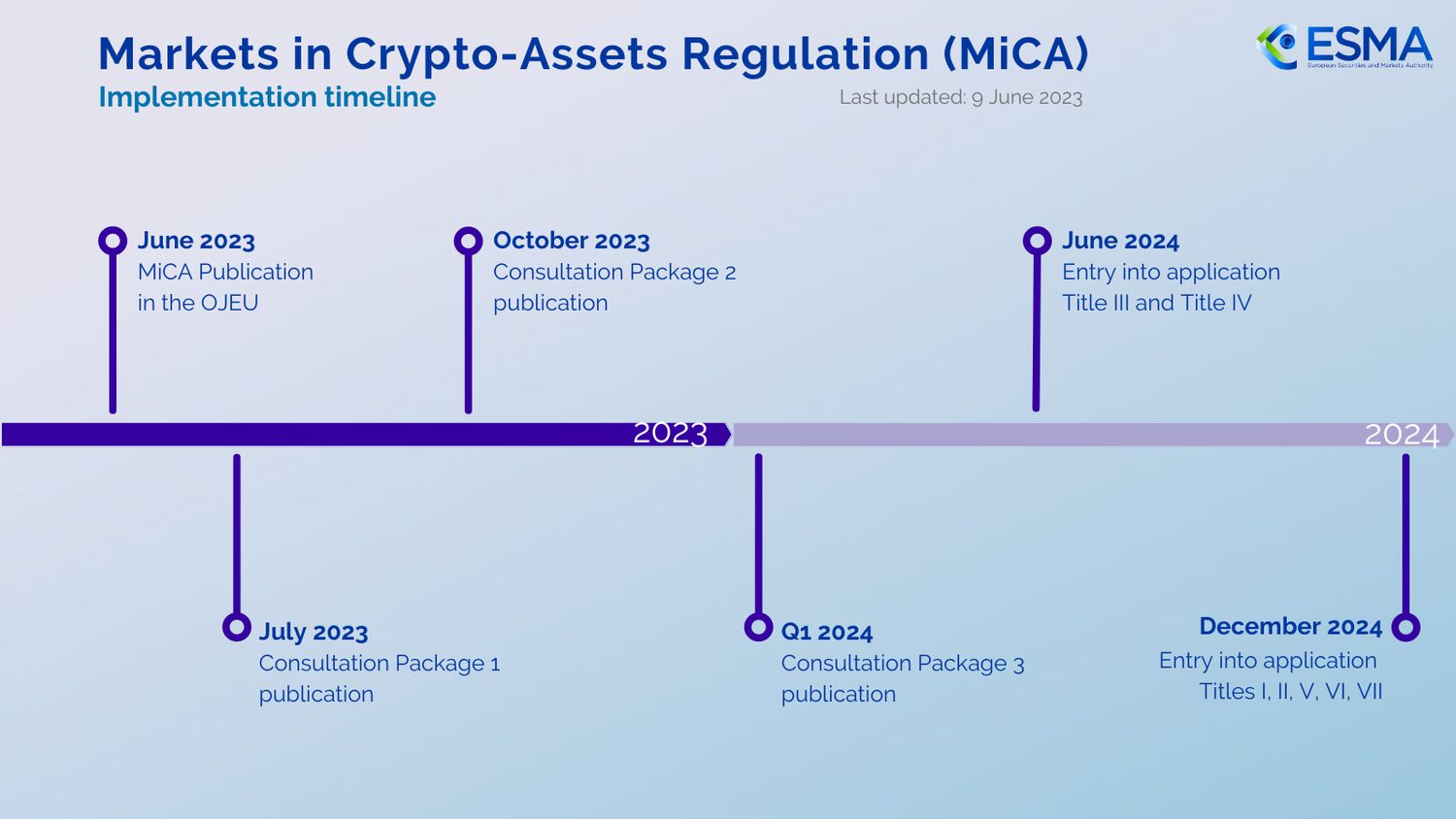
Furthermore, the curriculum needs to address Anti-Money Laundering (AML) and Know Your Customer (KYC) obligations for non-custodial wallets and decentralized exchanges. Understanding how to draft legal opinions for token launches while accounting for these evolving standards is the difference between a successful project and a regulatory enforcement action. Practitioners need to walk away knowing how to map a project's technical architecture against the specific compliance thresholds of the jurisdictions in which their clients operate.
Comparing certification providers
Choosing the right blockchain for lawyers course requires a clear distinction between theoretical academic rigor and the tactical demands of a law firm. Most providers fall into one of two categories, each offering a vastly different return on investment for your professional development.
University programs vs. specialized legal bootcamps
University-led blockchain programs, such as those offered by MIT or Stanford, prioritize foundational theory and high-level regulatory frameworks. These courses are excellent for understanding the macro-economic implications of distributed ledger technology and the history of smart contract development. However, they often lack the technical "hands-on" component required to draft a legally enforceable smart contract or navigate a specific tokenized securities filing.
The primary value here is the prestige of the institution on your CV, which signals to clients that you possess a deep understanding of the underlying technology's legal philosophy. Conversely, specialized legal bootcamps—often run by boutique legal-tech consultancies or industry-specific associations—focus on the "how-to" of daily practice.
These programs typically skip the abstract history of Satoshi Nakamoto and move directly into practical exercises like:
- Drafting and auditing smart contract templates using platforms like OpenZeppelin.
- Analyzing the jurisdictional nuances of decentralized autonomous organizations (DAOs).
- Simulating the due diligence process for a crypto-asset acquisition.
The networking benefit of these bootcamps is substantial. You are more likely to be in a cohort with other practitioners facing the same client questions, rather than undergraduate students or general developers. While a university certificate provides institutional credibility, a bootcamp provides the "war stories" and technical vocabulary that allow you to speak confidently with blockchain developers and CTOs during a project kickoff.
When evaluating a provider, look for the instructor's background. If the curriculum is taught exclusively by academics without active practice experience, you will likely walk away with a strong grasp of the law but zero ability to apply it to a client's specific blockchain integration. Prioritize programs that require you to submit actual legal memos or contract revisions as part of the assessment process rather than multiple-choice quizzes.
Applying blockchain knowledge to your firm
Theoretical understanding of distributed ledger technology is rarely sufficient to generate billable hours. To transition from a student of blockchain to a practitioner, you must bridge the gap between protocol architecture and legal liability. Start by mapping specific smart contract functions to existing contract law principles. For instance, analyze how an automated escrow function in a Solidity-based contract interacts with the Uniform Commercial Code (UCC) or local jurisdictional requirements for fiduciary duties.
Building a niche practice
Attracting blockchain-native clients requires moving beyond general legal advice to providing specialized counsel on decentralized governance and tokenomics. Use your course material to audit the whitepapers and governance structures of potential clients. Clients in the Web3 space value lawyers who understand the difference between a proof-of-stake consensus mechanism and a sidechain implementation, as these technical nuances dictate regulatory risk profiles.
To build credibility, focus on these three practical applications:
- Smart Contract Auditing Support: Partner with technical auditors to provide a legal layer to code reviews, specifically identifying where code logic fails to meet the intended legal obligations defined in the underlying agreement.
- DAO Governance Structuring: Utilize your knowledge of on-chain voting mechanisms to draft operating agreements that mirror the decentralized nature of the project while maintaining compliance with corporate law.
- Regulatory Arbitrage Analysis: Offer clients a comparative analysis of jurisdictional frameworks for token issuance. Instead of just citing laws, build a matrix that compares SEC, FCA, and MiCA requirements against the specific technical architecture of the client's token.
Avoid the trap of marketing yourself as a general "blockchain lawyer." Instead, position your practice as a technical-legal hybrid. Clients are looking for counsel who can read a GitHub repository as easily as a legal brief. When you demonstrate that you understand how a consensus failure impacts a client’s liability, you move from being a commodity service provider to an essential strategic partner in their development lifecycle.
Frequently Asked Questions
What is the biggest gap in current blockchain for lawyers courses?
Most courses prioritize high-level theory, such as how consensus mechanisms work, rather than teaching lawyers how to draft smart contract clauses, conduct due diligence on decentralized protocols, or navigate jurisdictional regulatory requirements.
Should a lawyer learn to code to understand blockchain?
No, but you must understand the logic of smart contracts. A high-quality course should teach you how to read the intent of the code and translate that into legal language, rather than teaching you how to write Solidity or Rust.

