
.webp)
.png)
The difference between legal counsel and technical recovery
Standard legal counsel often lacks the technical infrastructure to interact directly with blockchain ledgers, while independent recovery firms frequently lack the legal standing to enforce asset freezes. Cryptocurrency lawyers with recovery teams bridge this gap by combining formal litigation strategies with active on-chain tracing.
This hybrid approach ensures that evidence gathered from the blockchain is admissible in court, while legal mandates are used to compel exchanges to freeze stolen funds.
The role of blockchain forensics in legal proceedings
Forensic analysts act as the bridge between raw transaction data and actionable legal evidence. Using specialized tools like Chainalysis Reactor or TRM Labs, these professionals map the movement of stolen assets across multiple wallets and mixers.
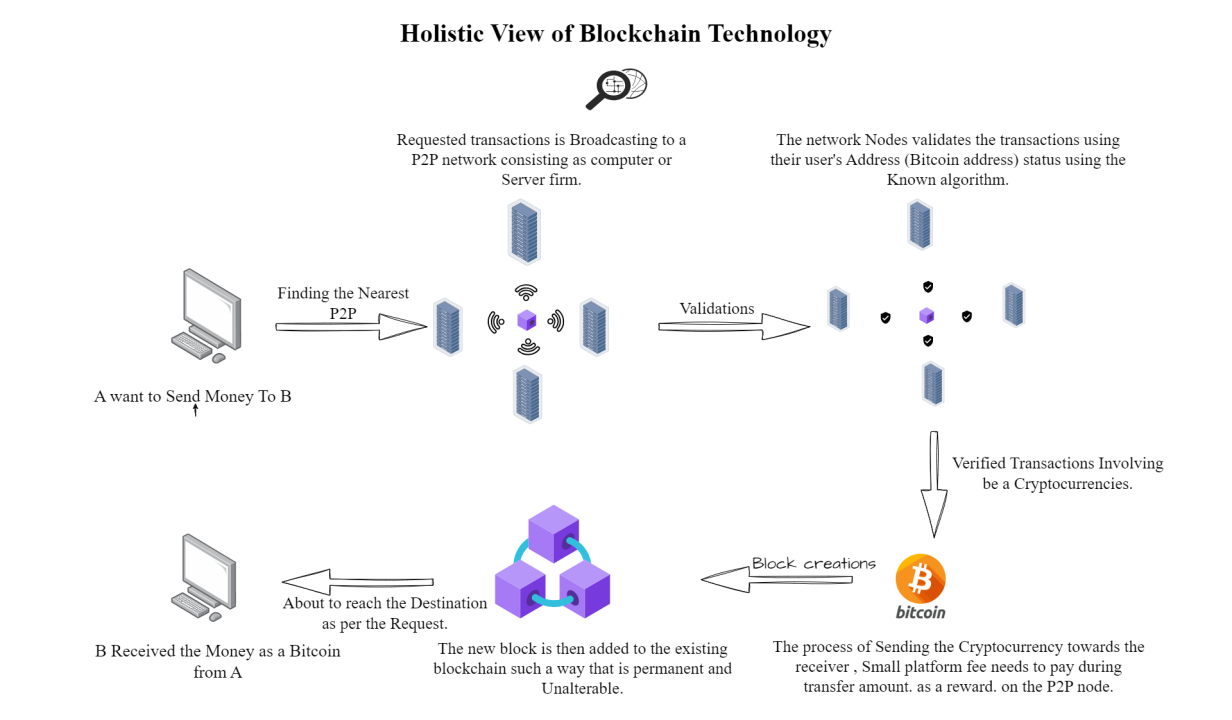
They generate attribution reports that link anonymous wallet addresses to specific entities or exchanges. These reports serve as the foundation for a court order, providing the necessary proof of ownership and illicit movement that judges require before issuing an injunction against a centralized exchange.
Why cryptocurrency lawyers with recovery teams are essential
The synergy between legal subpoenas and on-chain asset tracking is the primary mechanism for asset recovery. A lawyer can draft a John Doe lawsuit to identify anonymous wallet owners, but without a recovery team, they cannot effectively monitor the funds in real-time.
Conversely, a recovery firm can track funds to a specific exchange, but they cannot legally force that exchange to hold the assets. When these two functions operate in tandem, the law firm issues a preservation letter or subpoena to the exchange the moment the recovery team detects a deposit.
This coordinated timing prevents the perpetrator from moving funds to a non-cooperative jurisdiction or a decentralized protocol, effectively locking the assets in place while the legal process unfolds.
Evaluating the recovery team's technical capabilities
When you hire cryptocurrency lawyers with recovery teams, you are not just paying for legal representation; you are paying for forensic expertise. A legitimate firm must demonstrate how they bridge the gap between legal filings and on-chain reality.
Ask for specific documentation regarding their investigative process, as a lawyer who cannot explain the technical path to recovery is likely just outsourcing the work to third-party contractors without proper oversight.
Tools and software for blockchain analysis
Effective recovery teams rely on enterprise-grade blockchain intelligence platforms to track illicit fund movements. Industry-standard tools such as Chainalysis, TRM Labs, and Elliptic are the gold standard for tracing transactions across public ledgers.
These platforms provide visual attribution, allowing investigators to identify "hops" between wallets and flag exchanges that have received stolen assets. If a firm claims to perform recovery but cannot articulate how they utilize these tools—or if they rely on proprietary, unnamed software—it is a significant indicator that their technical capabilities are insufficient for complex, multi-hop investigations.
Red flags in recovery service claims
The recovery industry is unfortunately rife with bad actors who prey on victims desperate for justice. You must be vigilant for specific red flags that indicate a potential scam rather than a professional legal service.
First, any firm that guarantees 100% recovery of your funds is lying; blockchain transactions are immutable, and recovery depends entirely on the cooperation of centralized exchanges or law enforcement seizures. Second, be wary of firms that demand payment exclusively in cryptocurrency or via untraceable methods like wire transfers to offshore accounts. A reputable law firm will operate through transparent, traceable billing structures.
Finally, avoid any service that claims to have "direct access" to the private keys of a hacker's wallet or promises to "hack back" your funds. These are common tropes used by scammers to extract further fees from victims who have already lost capital. Always verify the physical address and bar registration of any legal professional before signing a retainer agreement.
The legal process for asset freezing
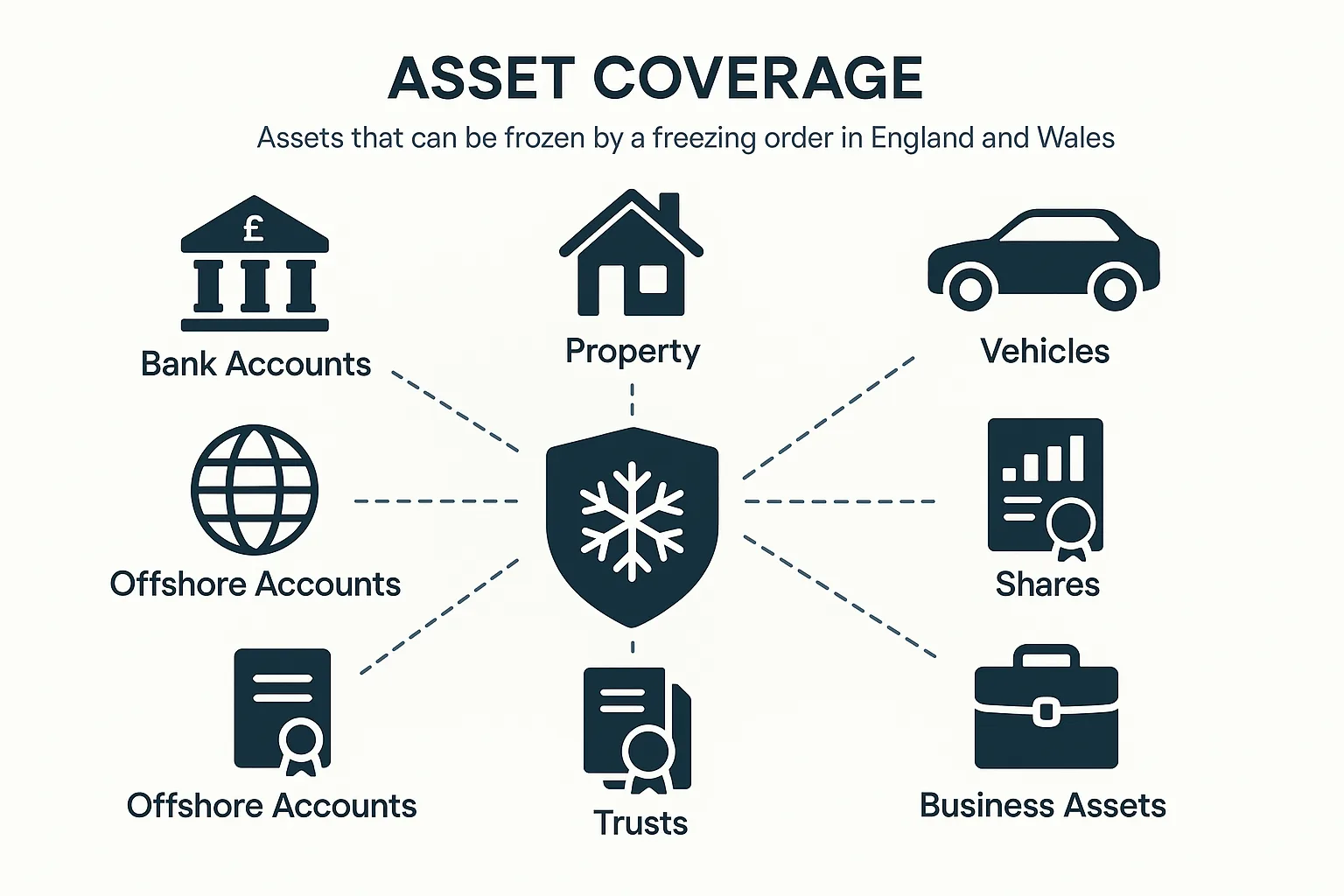
Securing a court order is the primary mechanism for freezing stolen digital assets. Cryptocurrency lawyers with recovery teams initiate this by filing for an 'injunctive relief' or a 'Mareva injunction' to prevent the dissipation of assets.
Working with centralized exchanges
Centralized exchanges (CEXs) such as Binance, Coinbase, or Kraken maintain strict Know Your Customer (KYC) protocols, which makes them the most effective points of intervention. Recovery teams provide these platforms with a court-ordered subpoena or a formal 'freeze request' that includes the specific transaction hashes (TXIDs) and wallet addresses involved in the illicit transfer.
Legal counsel must ensure that the documentation meets the specific evidentiary standards required by the exchange's legal department. If the assets remain within the exchange's ecosystem, the platform can effectively 'blackhole' the funds, preventing the perpetrator from withdrawing or trading them while the legal dispute continues.
Jurisdictional challenges in crypto recovery
When assets are moved to offshore exchanges or jurisdictions with lax regulatory oversight, the recovery process becomes significantly more complex. Lawyers must navigate the Hague Convention or utilize Mutual Legal Assistance Treaties (MLATs) to request cooperation from foreign authorities.
This process often requires local counsel in the jurisdiction where the exchange is incorporated. The primary hurdle is that many offshore platforms are not subject to the same legal pressures as US-based entities, and they may require a local court order rather than recognizing a foreign injunction.
Recovery teams often employ blockchain forensic experts to track these 'hops' across borders, providing the necessary evidence to prove the illicit origin of funds to foreign regulators, which is essential for compelling an offshore entity to comply with a freeze request.
Cost structures and success fees
Engaging cryptocurrency lawyers with recovery teams involves significant financial commitment, as these cases require specialized forensic accounting and blockchain analysis. Unlike standard litigation, recovery efforts often involve high overhead costs for software subscriptions like Chainalysis or TRM Labs, which are necessary to trace illicit fund movements across decentralized exchanges.
Retainer versus contingency models
Most firms operate using one of two primary billing structures. A retainer model requires an upfront payment to cover the initial investigation phase. This is common when the legal team must perform extensive due diligence to determine if the assets are actually recoverable before filing a formal claim.
You pay for the time spent by forensic experts and attorneys, regardless of whether the funds are successfully retrieved. This model provides the firm with the resources to conduct a deep-dive analysis of the transaction history immediately.
Conversely, a contingency model ties the firm's compensation directly to the outcome. In this arrangement, the legal team takes a percentage of the recovered assets, typically ranging from 20% to 40% depending on the complexity of the case.
While this reduces your initial out-of-pocket risk, it is rarely offered for cases where the probability of recovery is low or the trail has gone cold. Many firms will only accept a contingency agreement after an initial paid investigation confirms that the assets are held in a reachable wallet or an exchange that complies with international subpoenas.
Be wary of firms that promise a 100% success rate or demand large upfront fees without providing a clear breakdown of how those funds are allocated. Legitimate practices will provide a detailed engagement letter outlining the hourly rates for their recovery team, the costs of third-party forensic tools, and the specific milestones required to trigger success fees. Always request a written estimate of the total projected costs versus the estimated value of the assets to ensure the legal pursuit remains economically viable.
Frequently Asked Questions
What is the difference between a standard lawyer and a crypto recovery specialist?
A standard lawyer focuses on litigation and contract law, whereas a crypto recovery specialist combines legal expertise with blockchain forensics to trace stolen funds across decentralized ledgers.
Can a lawyer guarantee the recovery of stolen cryptocurrency?
No reputable firm can guarantee recovery. Blockchain transactions are immutable, and success depends on the speed of the investigation, the cooperation of exchanges, and the ability to link a wallet address to a real-world identity.

