
.webp)


Understanding what chatbots have no filter
When users search for what chatbots have no filter, they are typically looking for Large Language Models (LLMs) that lack the standard safety guardrails found in commercial products like ChatGPT or Claude. In technical terms, a truly unfiltered chatbot is an open-weights model—such as Llama 3 or Mistral—that has been stripped of its system prompts, safety fine-tuning, and restrictive output policies.
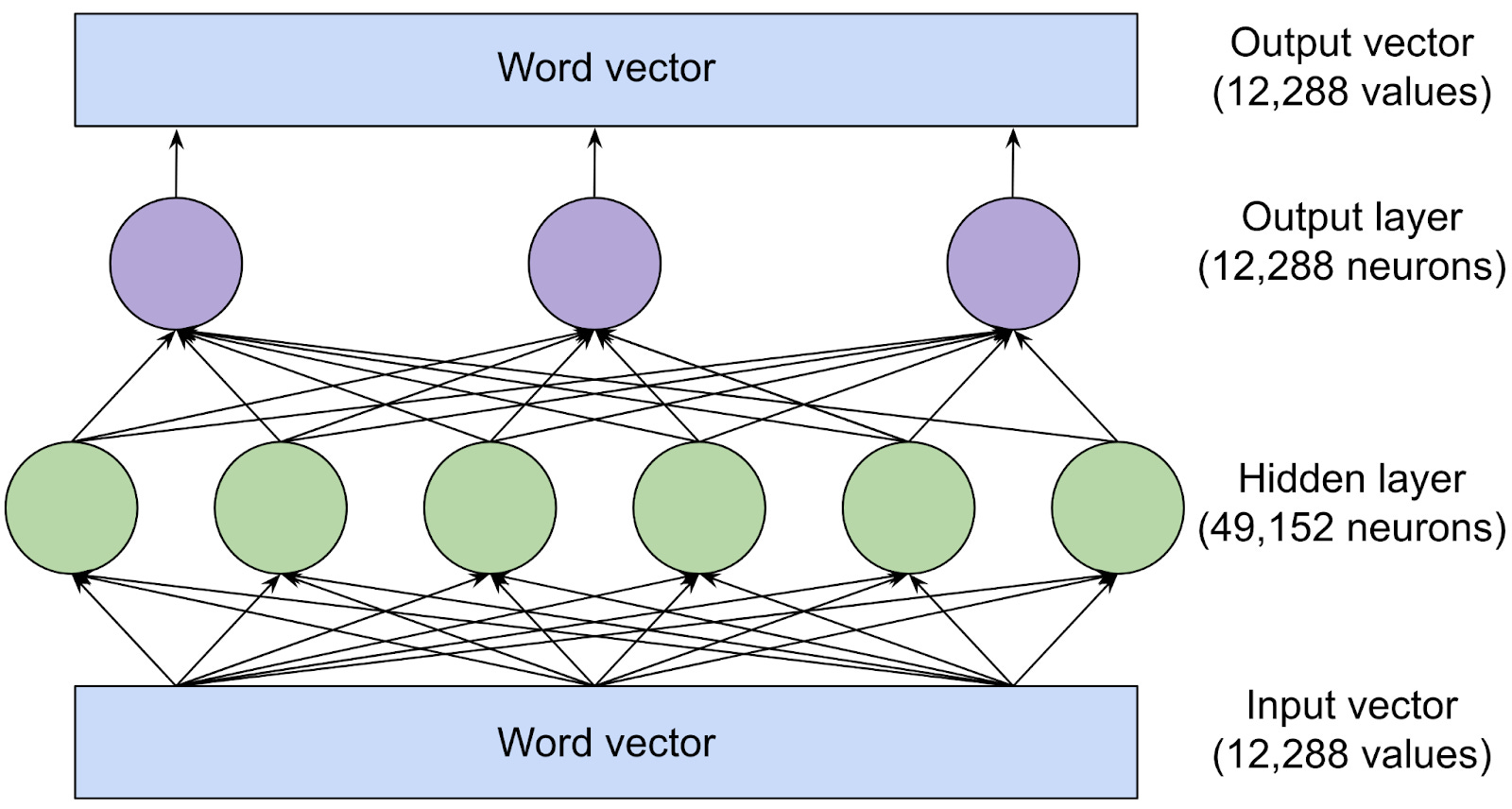
These models do not inherently possess a "filter" in the way a firewall blocks web traffic. Instead, they are trained to predict the next token based on a probability distribution derived from their training data.
The role of RLHF in model training
Most mainstream chatbots rely on Reinforcement Learning from Human Feedback (RLHF) to align their outputs with human safety standards. During this phase, human raters rank model responses based on criteria like helpfulness, honesty, and harmlessness. The model then updates its internal weights to prioritize these preferred behaviors. This process effectively builds a "filter" into the model's core logic, teaching it to refuse requests that involve illegal acts, hate speech, or dangerous instructions.
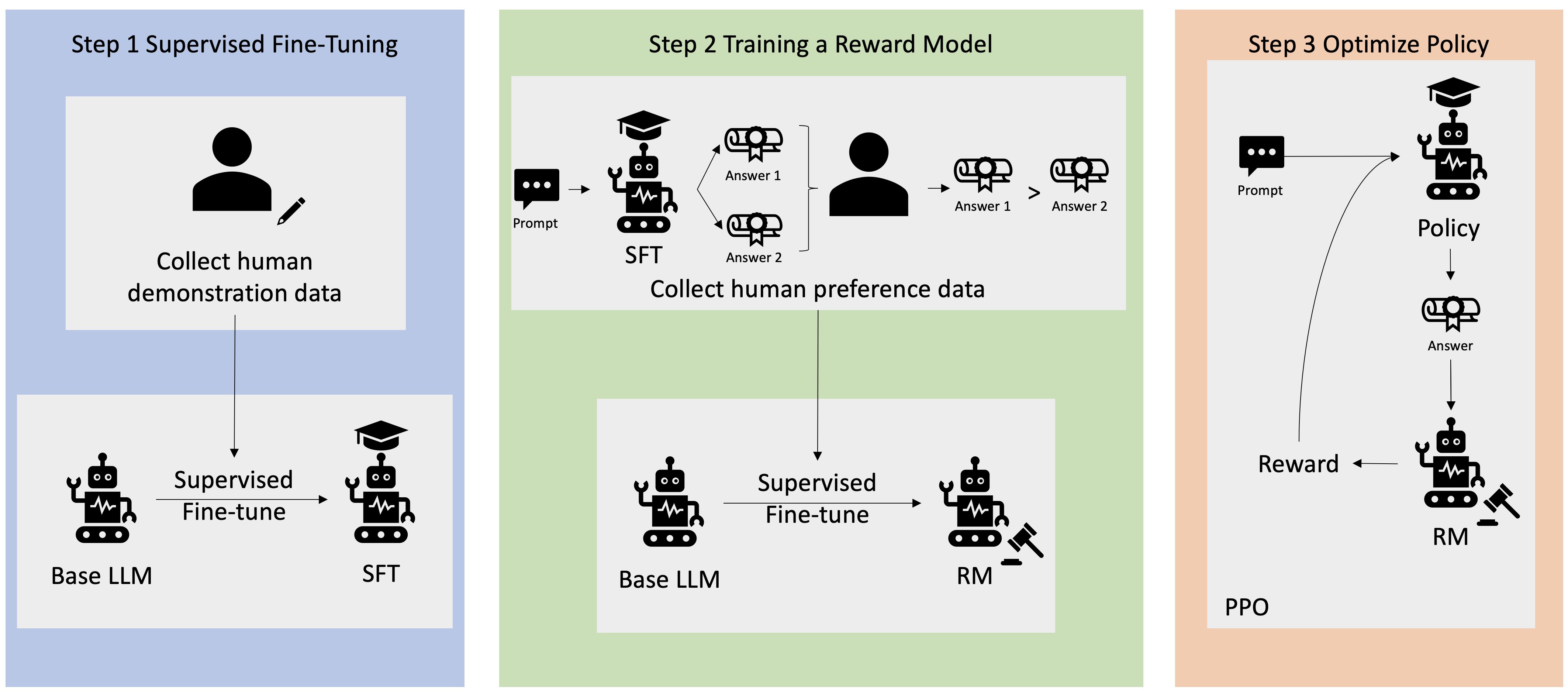
When developers release an "unfiltered" version of a model, they are usually distributing a base model that has bypassed this specific alignment stage. Without RLHF, the model lacks the internalized "conscience" that prevents it from generating toxic or controversial content.
This does not mean the model is "smarter" or more capable. It simply means it lacks the behavioral constraints that commercial providers mandate to reduce liability and ensure brand safety.
Users running these models locally via tools like Ollama or LM Studio are essentially interacting with the raw statistical output of the neural network. If you are interested in the technical implementation of these systems, you might want to learn how to make a chatbot with python to better understand the underlying architecture.
Open-source models and the uncensored ecosystem
The landscape of AI models without safety guardrails is dominated by open-source projects hosted primarily on platforms like Hugging Face. Unlike proprietary systems such as ChatGPT or Claude, which utilize RLHF to enforce strict safety policies, uncensored models are typically fine-tuned versions of base models like Llama 3 or Mistral. Developers remove the alignment layers that prevent the model from answering sensitive, controversial, or explicit prompts.
Self-hosting vs. cloud-based services
Distinguishing between how these models are accessed is critical for understanding their lack of restrictions. Self-hosting involves downloading model weights—often in GGUF or EXL2 formats—and running them on your own hardware using local inference engines like LM Studio, Ollama, or Text-Generation-WebUI.
Because the software runs entirely on your local GPU or CPU, there is no intermediary server to intercept, filter, or log your prompts. You maintain total control over the system prompt and the model's output parameters.
Conversely, cloud-based services that claim to have "no filter" often operate in a legal gray area. While some niche API providers market themselves as uncensored, they still manage the infrastructure. Even if the model itself is unrestricted, the service provider can theoretically implement server-side logging or monitoring.
Users seeking true privacy and zero-filter operation generally prefer local execution because it eliminates the dependency on a third-party API that could change its terms of service or safety policies at any time.
When choosing an uncensored model, technical trade-offs are inevitable. Smaller models (under 8 billion parameters) can run on consumer-grade hardware but often suffer from "hallucinations" or poor reasoning capabilities. Larger models (30B to 70B parameters) provide significantly higher coherence and better instruction following but require high-end hardware, such as multiple NVIDIA RTX 3090 or 4090 GPUs, to achieve usable generation speeds.
Risks and operational trade-offs of removing safety filters
Deploying or utilizing large language models (LLMs) stripped of safety guardrails introduces significant liabilities for businesses and individual users. When developers remove content filters, they effectively disable the system's ability to identify and block toxic, illegal, or harmful outputs.
This creates a high probability of generating non-compliant content, which can lead to severe reputational damage, legal exposure, and the violation of terms of service for hosting providers.
Operational trade-offs extend beyond legal risks. Models without filters are prone to "hallucinating" harmful instructions or providing dangerous advice on sensitive topics like medical diagnoses or financial planning. Because these models lack the fine-tuned alignment that prevents biased or malicious responses, they become unpredictable tools that are difficult to integrate into professional workflows.
Data privacy and security implications
The removal of safety filters often signals a broader disregard for robust data governance. Platforms that market themselves as having "no filters" frequently operate on open-source weights hosted on decentralized or less-regulated infrastructure.
This architectural choice often bypasses the enterprise-grade encryption and data-handling protocols found in commercial offerings like OpenAI’s API or Google’s Vertex AI. When you interact with an unfiltered model, you must assume that your input data is not being sanitized or scrubbed for PII (Personally Identifiable Information).
Many of these platforms lack clear data retention policies, meaning your prompts could be stored in plaintext or used to train future iterations of the model without your consent.
Furthermore, these systems are susceptible to prompt injection attacks. Because they lack a filter layer to detect adversarial patterns, a malicious actor can easily manipulate the model to leak system prompts or sensitive data stored within the model's context window. Relying on these tools for proprietary business tasks exposes your organization to data leakage risks that are largely mitigated by standard, filtered enterprise LLMs.
Legal and ethical constraints for AI developers
The perception that certain chatbots operate without filters often stems from marketing around open-source models rather than a lack of legal accountability. While developers can release base models without fine-tuned safety guardrails, deploying these models for public interaction triggers significant liability.
Most commercial AI providers are bound by terms of service that explicitly prohibit the generation of illegal, harmful, or non-consensual content, regardless of the model's underlying architecture.
Compliance with regional AI regulations
The regulatory landscape is shifting rapidly to ensure that developers cannot simply bypass safety protocols. The EU AI Act serves as a primary example, categorizing AI systems by risk level and mandating strict transparency and safety requirements for high-risk deployments.
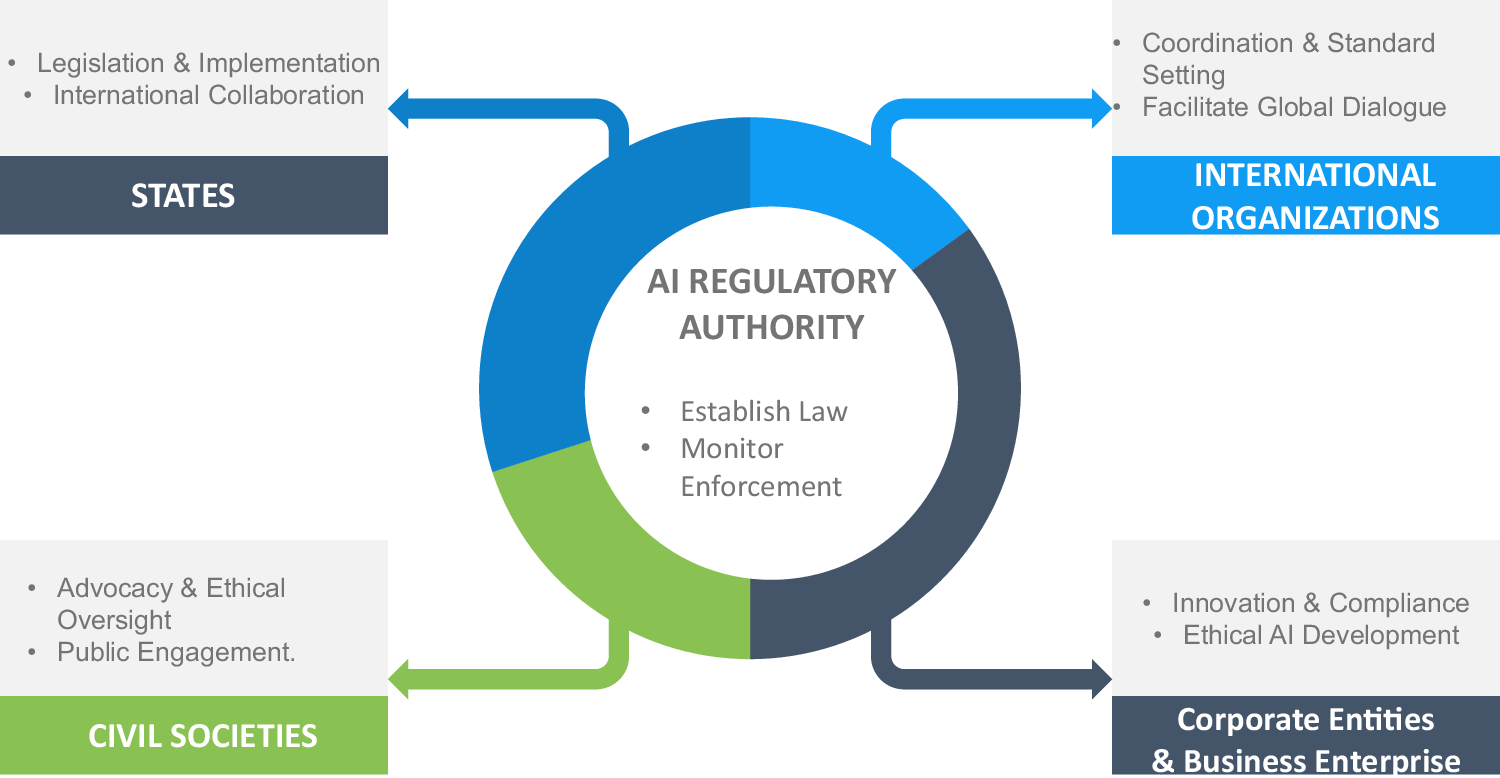
Under these frameworks, companies providing public-facing chatbots must implement technical measures to prevent the generation of prohibited content, such as hate speech or instructions for criminal activities.
Developers who ignore these constraints face severe financial and operational risks. For instance, if a custom AI chatbot is found to facilitate illegal acts due to a lack of safety filters, the parent company may be held liable for damages. This legal pressure forces even the most "uncensored" projects to implement some form of moderation at the API or interface level.
Even when a user downloads an open-source model to run locally—the only true way to bypass centralized filters—they assume full responsibility for the output generated. The distinction remains clear: a model might lack an internal filter, but the developer, the hosting platform, and the end-user remain subject to the laws of their respective jurisdictions.
Frequently Asked Questions
Are mainstream chatbots capable of being unfiltered?
No. Commercial chatbots like ChatGPT, Claude, and Gemini are built with mandatory safety layers that prevent them from generating hate speech, illegal content, or sexually explicit material. These guardrails are integrated into the model's training and the inference API.
How can users access models without safety filters?
To use an AI without filters, you must download open-source models from platforms like Hugging Face and run them locally on your own hardware using software like LM Studio or Ollama. These models, often labeled as 'uncensored' or 'base' models, lack the fine-tuning that commercial companies apply to enforce safety policies.
What are the primary risks of using unfiltered chatbots?
Unfiltered models do not have safety guardrails, meaning they can output harmful, biased, or inaccurate information without warning. Users are responsible for all content generated, and these models may lack the helpfulness and reasoning refinements found in commercial, safety-aligned versions.
