
.webp)
.png)
Economic shift from legacy security to phishing 3.0: Understanding what is phishing 3.0 and how to protect against it
Phishing 3.0 represents a fundamental transition in cyber-attacks where threat actors leverage generative AI to automate highly personalized, context-aware deception at scale. Unlike legacy phishing, which relied on bulk emails containing obvious grammatical errors or suspicious links, this new generation mimics legitimate communication patterns, making traditional secure email gateways (SEGs) largely ineffective.
Organizations are now forced to shift budgets from perimeter-based defenses toward identity-centric security models and behavioral analytics to mitigate the financial risk of sophisticated social engineering.
Technical mechanisms of phishing 3.0
The core of this evolution lies in the integration of Large Language Models (LLMs) and automated reconnaissance tools. Attackers no longer craft manual templates; instead, they deploy scripts that scrape public data from LinkedIn, corporate press releases, and social media to synthesize hyper-targeted lures. By training models on specific corporate jargon and executive communication styles, these systems generate messages that pass human scrutiny and bypass keyword-based filters.
These attacks often utilize "adversary-in-the-middle" (AitM) frameworks. Rather than sending a malicious attachment, attackers host a proxy server that mirrors a legitimate login page, such as a Microsoft 365 or Okta portal. When a user enters their credentials, the proxy captures the session token in real-time, effectively bypassing multi-factor authentication (MFA) without needing the user's physical device.
Because the interaction occurs through an encrypted, legitimate-looking domain, traditional signature-based detection tools fail to flag the traffic as malicious. This shift necessitates a move toward FIDO2-compliant hardware keys, which bind the authentication process to the specific origin, rendering stolen session tokens useless to the attacker.
Quantifying the cost of inaction
Organizations often view phishing as a nuisance rather than a fiscal risk. However, Phishing 3.0—which leverages generative AI to create hyper-personalized, multi-channel attacks—drastically increases the financial burden of remediation.
When an employee interacts with an AI-generated deepfake or a sophisticated spear-phishing campaign, the cost extends far beyond the initial data breach. You must account for the immediate loss of productivity, the legal fees associated with regulatory non-compliance, and the long-term erosion of brand equity.
Hidden operational expenses in incident response
The labor cost of remediating a single Phishing 3.0 incident is significantly higher than traditional email-based threats. Because these attacks often bypass standard Secure Email Gateways (SEGs), they require manual intervention from Tier 2 and Tier 3 security analysts.
If your Security Operations Center (SOC) team spends an average of 12 hours investigating a single compromised credential, the cost per incident can easily exceed $2,500 in internal labor alone. Beyond labor, forensic analysis requires specialized tooling to trace AI-driven attack vectors. Organizations frequently incur expenses for:
- Forensic Software Licensing: Tools like Magnet AXIOM or Cellebrite are often required to analyze compromised endpoints for malicious scripts or unauthorized remote access tools.
- Third-Party Incident Response (IR) Retainers: Many mid-market firms lack the internal expertise to handle AI-augmented attacks, forcing them to activate expensive IR retainers that charge hourly rates ranging from $300 to $600.
- Legal and Regulatory Fines: If the phishing attack leads to a data exfiltration event, the cost of mandatory breach notifications, legal counsel, and potential GDPR or CCPA penalties can reach six figures, regardless of the company's size.
Ignoring these hidden costs creates a dangerous blind spot. By failing to invest in proactive AI-based detection, you are essentially self-insuring against a threat that is becoming increasingly automated and difficult to detect. Budgeting for these operational expenses now is more cost-effective than absorbing the sudden, unforecasted impact of a successful breach.
Evaluating the ROI of phishing 3.0 protection tools
Investing in Phishing 3.0 protection requires shifting from traditional perimeter defense to identity-centric security. Unlike legacy email gateways that rely on static blacklists, Phishing 3.0 solutions utilize AI-driven behavioral analysis to detect sophisticated social engineering, such as deepfake audio or automated business email compromise (BEC).
Calculating the return on investment (ROI) involves comparing the cost of these specialized platforms—typically priced per user—against the potential financial impact of a successful breach, which includes incident response labor, regulatory fines, and brand damage.
Key performance indicators for security efficacy
To justify the budget for these advanced tools, security teams must track specific metrics that demonstrate a reduction in risk exposure. Success is measured by how effectively the system integrates into existing workflows while minimizing friction for end-users.
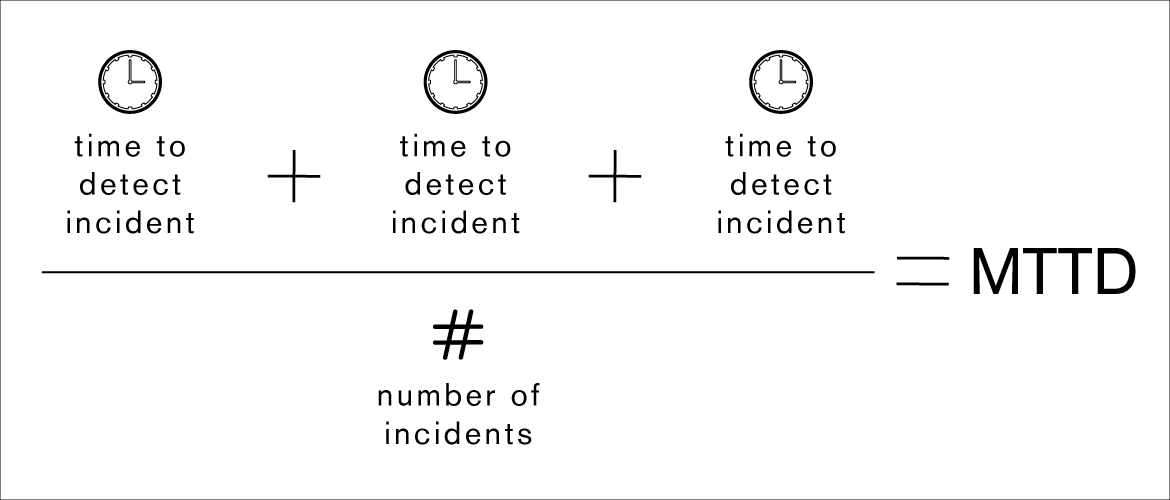
- Mean Time to Detect (MTTD): This measures the duration between the arrival of a malicious message and its identification by the security stack. Phishing 3.0 tools aim to reduce this to seconds by automating the analysis of communication patterns rather than waiting for manual reports.
- False Positive Reduction Rates: High-quality AI models should distinguish between legitimate business communications and malicious intent. A low false positive rate is critical; if a tool flags too many legitimate emails, it creates 'alert fatigue' and forces employees to bypass security controls, effectively neutralizing the investment.
- Time to Remediation (TTR): This tracks how quickly a threat is purged from all user inboxes once detected. Effective platforms provide automated 'clawback' features that remove malicious emails across the entire organization instantly.
- Employee Reporting Accuracy: A successful deployment should increase the quality of user-submitted reports. By providing real-time feedback within the email client, these tools turn employees into a reliable sensor network, reducing the burden on the Security Operations Center (SOC) to investigate harmless messages.
When evaluating vendors, prioritize those that offer transparent reporting dashboards. If a tool cannot provide clear, actionable data on these KPIs, it is likely failing to provide the visibility required to justify its cost. Focus on platforms that offer API-based integration with cloud email providers, as this allows for deeper visibility into internal lateral movement—a hallmark of modern phishing attacks.
Strategic resource allocation for defense
Budgeting for modern email security requires shifting focus from perimeter-based defenses to identity-centric, API-based detection. Phishing 3.0 attacks bypass traditional Secure Email Gateways (SEGs) by leveraging compromised internal accounts and trusted third-party applications.
Organizations must reallocate capital from legacy hardware maintenance toward cloud-native platforms that utilize machine learning to analyze communication patterns rather than just scanning for malicious attachments.
Vendor selection criteria for enterprise security
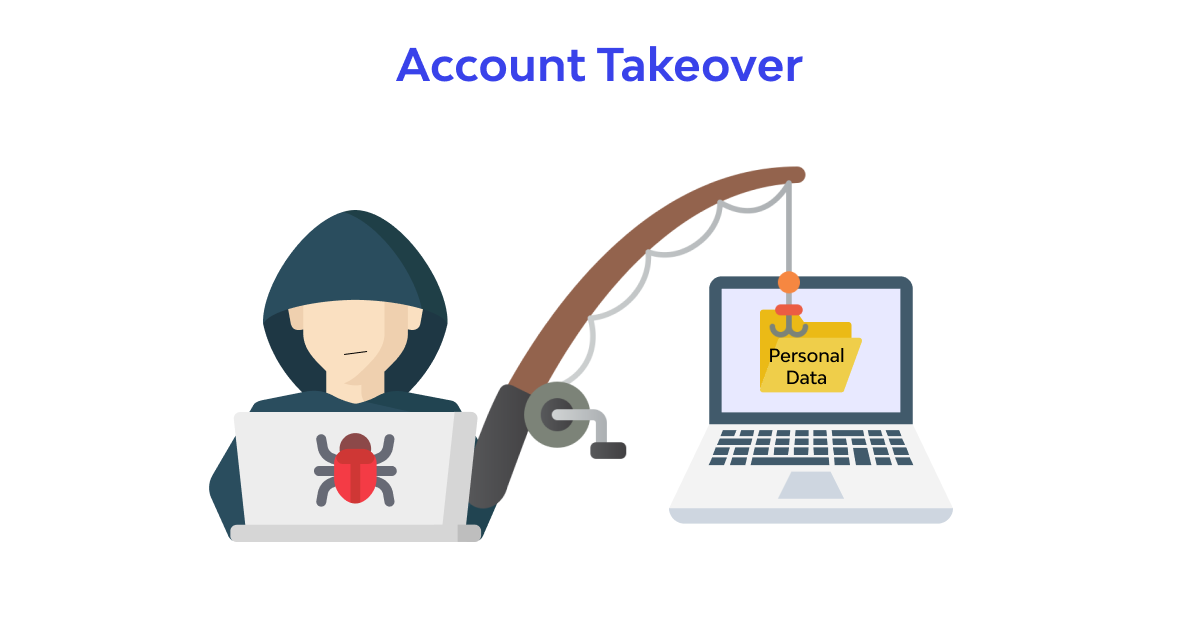
When evaluating security providers, prioritize solutions that offer full API integration with your existing productivity suite, such as Microsoft 365 or Google Workspace. Unlike legacy SEGs that sit in front of your email server, API-based tools operate post-delivery, allowing them to scan internal-to-internal traffic—a critical vector for account takeover (ATO) attacks.
When comparing costs, consider the total cost of ownership (TCO) rather than just the licensing fee. Key metrics for your selection process include:
- Detection latency: Measure how quickly the system identifies a malicious signal after an email lands in the inbox.
- False positive rate: High volumes of false alerts lead to security team burnout and increased operational costs.
- Integration overhead: API-based solutions typically deploy in minutes, whereas replacing a legacy SEG often requires complex MX record changes and significant downtime.
- Identity signal correlation: Ensure the tool correlates email anomalies with login behavior, such as impossible travel or unusual device fingerprinting.
If your current budget is constrained, prioritize API-based tools that provide automated remediation. These tools reduce the manual labor required by SOC analysts to investigate and purge malicious emails. By automating the incident response workflow, you effectively lower the headcount requirements for your security operations center, providing a measurable return on investment through reduced labor costs and faster threat neutralization.
Risk mitigation through layered architecture
Defending against modern threats requires moving beyond perimeter-based security. Phishing 3.0 exploits identity-centric vulnerabilities, meaning your defense must shift from blocking malicious domains to verifying the intent and context of every interaction.
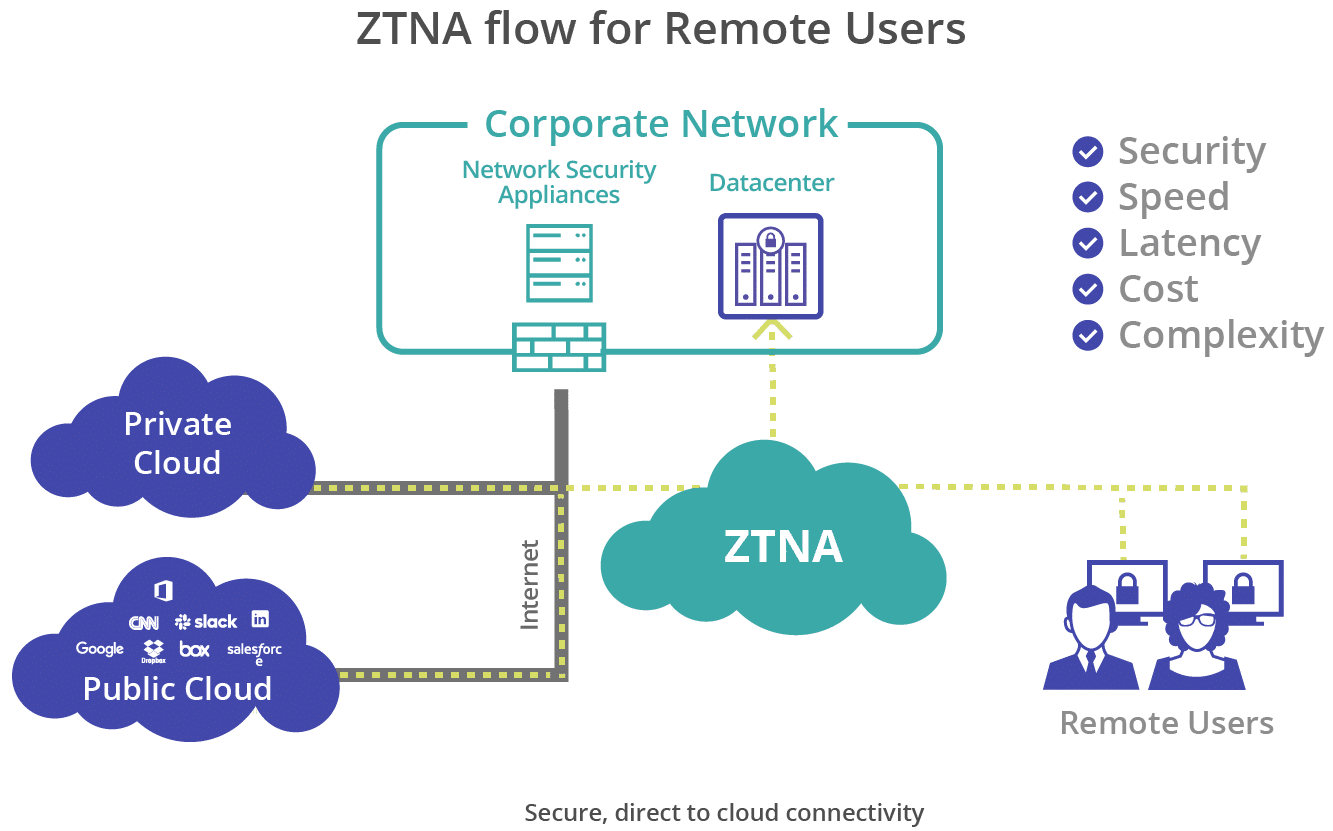
A robust architecture combines FIDO2-compliant hardware keys, behavioral analytics, and zero-trust network access (ZTNA) to neutralize automated credential harvesting. Hardware-backed authentication, such as YubiKey or Google Titan, remains the most effective barrier against adversary-in-the-middle (AiTM) attacks.
Unlike SMS or push-based MFA, these physical tokens bind the authentication process to the specific origin of the service, rendering stolen session cookies useless to attackers. By mandating hardware keys for high-privilege accounts, organizations eliminate the primary vector used in sophisticated phishing 3.0 campaigns.
Integration trade-offs in existing infrastructure
Deploying advanced security layers often introduces friction between operational efficiency and risk reduction. Before rolling out new protocols, security teams must evaluate the compatibility of their current identity provider (IdP) with modern standards like WebAuthn. For instance, legacy on-premises applications may lack native support for FIDO2, necessitating the use of an identity proxy or a modern gateway to bridge the gap.
The overhead of these implementations manifests in three specific areas:
- User Experience (UX) Latency: Moving from simple push notifications to hardware-based signing can increase login times. Conduct a pilot program with a small user group to calibrate the balance between security prompts and productivity.
- Lifecycle Management: Distributing, tracking, and replacing physical security keys requires a dedicated logistics process. Factor in the cost of lost device recovery and the administrative burden of revoking access for offboarded employees.
- Technical Debt: Relying on middleware to translate modern authentication requests for legacy systems creates a single point of failure. Ensure that your identity proxy is highly available and monitored for anomalous traffic patterns that could signal a bypass attempt.
Prioritize the rollout based on risk profiles. Start by securing administrative accounts and those with access to sensitive financial or customer data. This phased approach allows for the discovery of edge cases in your authentication flow without disrupting the entire workforce, ensuring that your defense-in-depth strategy remains both scalable and resilient.
Long-term financial sustainability of security programs
Securing an organization against sophisticated attacks requires shifting from one-time capital expenditures to a model of recurring operational investment. Because phishing 3.0 leverages AI-driven automation and deepfake technology to bypass traditional gateways, static defenses become obsolete within months.
Financial planning must account for the rapid depreciation of security software efficacy as attackers adapt their tactics to evade signature-based detection.
Budgeting for continuous threat intelligence
Allocating funds for ongoing updates to threat detection models is the most critical line item in a modern cybersecurity budget. Organizations should dedicate 15% to 25% of their annual security budget specifically to threat intelligence feeds that provide real-time indicators of compromise (IoCs) related to generative AI phishing.
Unlike legacy threat feeds, these services must offer behavioral analytics that identify anomalous communication patterns rather than just known malicious domains. To maintain financial sustainability, prioritize the following budgetary allocations:
- API-based integration costs: Ensure your budget covers the recurring subscription fees for cloud-native email security platforms (such as Abnormal Security or Ironscales) that integrate directly via API to analyze internal email traffic.
- Red Teaming and Simulation: Dedicate funds for quarterly, AI-augmented phishing simulations. These exercises must move beyond simple "click-rate" metrics to measure how quickly employees report suspicious AI-generated voice or video requests.
- Staff Upskilling: Budget for specialized training that focuses on identifying synthetic media. As phishing 3.0 evolves, the human element remains the final line of defense; therefore, training must be treated as a recurring operational cost rather than a one-off annual event.
When calculating the total cost of ownership, include the hidden expenses of incident response. If a breach occurs, the cost of forensic analysis, legal counsel, and potential regulatory fines often dwarfs the initial investment in proactive detection tools. By shifting funds toward continuous monitoring and adaptive threat modeling, companies reduce the likelihood of catastrophic financial losses associated with successful account takeovers and business email compromise.
Frequently Asked Questions
Definition of phishing 3.0
Phishing 3.0 refers to the next generation of social engineering attacks that leverage generative AI and large language models to create hyper-personalized, context-aware, and automated lures that bypass traditional email security gateways.
Calculation methods for phishing 3.0 protection ROI
Calculate ROI by comparing the cost of advanced AI-based detection tools and employee training programs against the projected financial impact of a successful breach, including incident response costs, regulatory fines, and operational downtime.

