


Comparing spear phishing vs whaling vs BEC tactics
Cybersecurity professionals must distinguish between spear phishing, whaling, and Business Email Compromise (BEC) to deploy effective defenses. While all three rely on social engineering, they differ in target scope, technical execution, and financial intent.
Understanding these nuances is the first step in moving from reactive filtering to proactive risk management.
Spear phishing: the precision delivery mechanism
Spear phishing targets specific individuals or departments by leveraging gathered intelligence to increase the likelihood of a click. Attackers scrape LinkedIn profiles, corporate directories, or public social media posts to craft messages that appear legitimate.
For example, an attacker might send a spoofed document link to a project manager, referencing a specific internal project name or a recent industry conference. The goal is to bypass standard spam filters by establishing a veneer of familiarity, leading to credential harvesting or malware installation.
Whaling: executive-level psychological manipulation
Whaling is a high-stakes subset of spear phishing that exclusively targets C-suite executives or high-profile decision-makers. Unlike broad campaigns, whaling requires significant reconnaissance to mimic the tone, authority, and urgency of a peer or a legal entity.
These attacks often involve complex pretexts, such as a fake subpoena, an urgent regulatory audit, or a sensitive internal merger document. Because executives often have elevated access privileges, a successful whaling attack provides a direct gateway to sensitive corporate data, making the cost of a single failure exponentially higher than standard phishing.
BEC: process-oriented financial fraud
Business Email Compromise (BEC) shifts the focus from technical exploitation to the manipulation of established business workflows. Instead of relying on malicious links or attachments, BEC attackers compromise an email account or spoof a vendor to request fraudulent wire transfers or payroll changes.
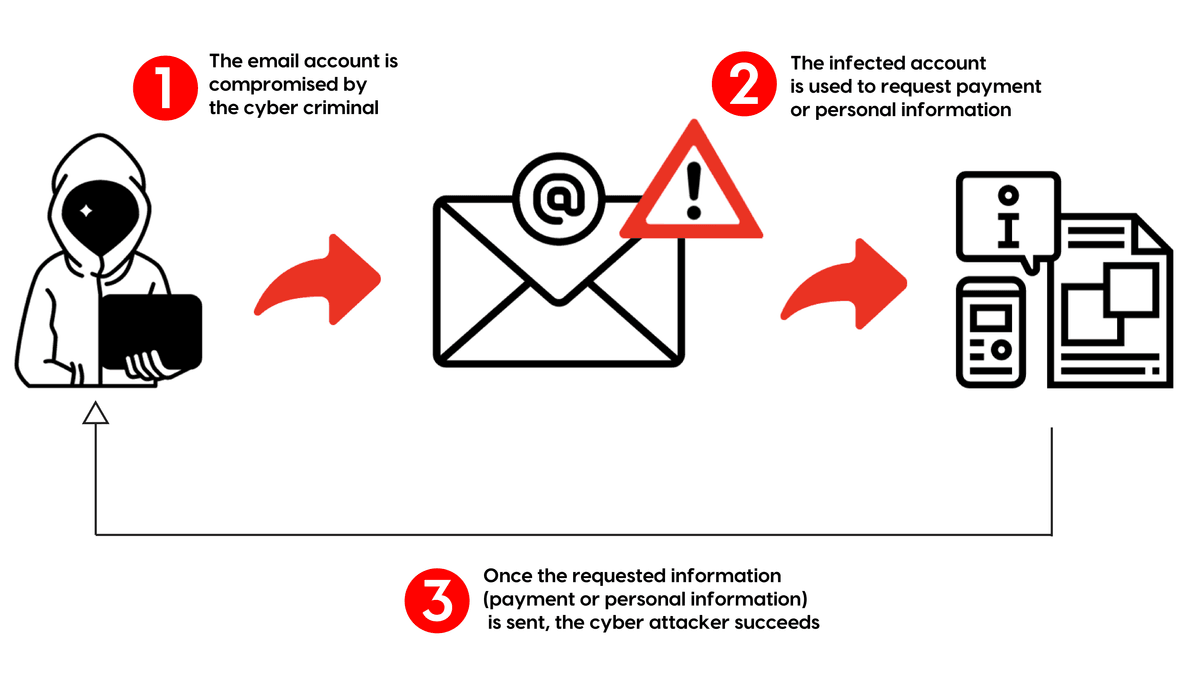
By exploiting the inherent trust in business communication, attackers insert themselves into existing invoice chains or vendor payment cycles. Because these requests often originate from legitimate accounts, they frequently bypass traditional security gateways that look for malicious payloads. This forces organizations to rely on secondary verification procedures like out-of-band authentication for all financial transactions.
Comparative risk profile for organizational assets
Distinguishing between these threats requires analyzing the specific asset targeted. While all three leverage social engineering, their objectives differ significantly.
Spear phishing typically targets mid-level employees to gain network access or credentials. Whaling focuses exclusively on C-suite executives to exploit their high-level authorization for sensitive data or massive wire transfers. BEC bypasses traditional malware, relying on impersonation to manipulate internal financial processes.
Financial impact metrics
The financial fallout of these attacks follows distinct patterns. BEC attacks often result in immediate, non-recoverable capital loss. According to the FBI’s Internet Crime Complaint Center (IC3), BEC remains one of the costliest cyber threats, with single incidents frequently exceeding $100,000.
These losses are direct: an employee is tricked into initiating a fraudulent wire transfer, and the funds are moved through money mules before the fraud is detected. In contrast, credential theft resulting from spear phishing carries a delayed, compounding cost.
When an attacker successfully harvests credentials, the immediate loss is negligible. However, the subsequent breach of proprietary databases or intellectual property creates long-term liability. Organizations must account for legal fees, regulatory fines under frameworks like GDPR or CCPA, and the erosion of customer trust. While BEC hits the cash flow, spear phishing hits the enterprise valuation.
Whaling occupies a unique risk tier because it exploits the authority bias. When a CEO or CFO is compromised, the attacker gains access to the highest level of organizational privilege. A whaling attack might not just result in a wire transfer; it can lead to the unauthorized disclosure of M&A documents or sensitive legal filings. The cost here is not just the immediate theft, but the potential for market manipulation and catastrophic reputational damage.
Decision matrix for security resource allocation
Allocating security budget requires balancing the high-frequency nature of spear phishing against the high-impact financial risk of BEC and whaling. Organizations should prioritize automated technical defenses for broad-spectrum threats while reserving high-touch human interventions for the specific, high-stakes targets identified in whaling campaigns.
Technical controls for automated detection
Implementing DMARC, SPF, and DKIM remains the foundational layer for mitigating domain spoofing, which is a primary vector for BEC. SPF lists authorized IP addresses, DKIM provides a cryptographic signature to verify email integrity, and DMARC dictates how receivers handle failures.
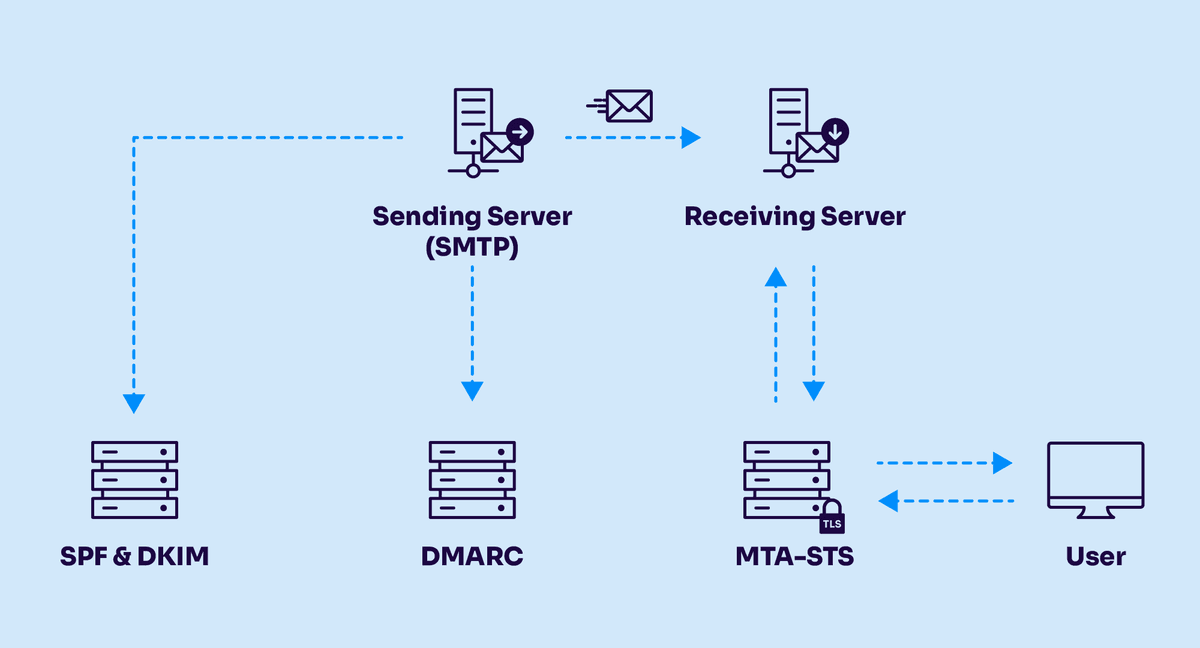
For maximum efficacy, organizations must move DMARC policies from 'p=none' (monitoring) to 'p=reject'. This transition blocks unauthorized emails from reaching the inbox, effectively neutralizing basic impersonation attempts before they reach the human layer.
Human-centric training requirements
General staff awareness programs are insufficient for addressing whaling, which targets executives with highly personalized, context-aware lures. While standard spear phishing training focuses on identifying malicious links and generic urgency, executive-level training must emphasize the mechanics of social engineering, such as pretexting and identity deception.
Executives are often targeted through non-corporate channels or via compromised third-party accounts, making traditional email filters less effective. Training for leadership should include simulation exercises that mimic real-world BEC scenarios, such as fraudulent wire transfer requests or fake legal subpoenas.
Unlike general staff, who require broad awareness of phishing indicators, executives need specific training on verifying high-value requests through out-of-band communication channels, such as a secondary, pre-verified phone number.
Frequently Asked Questions
What is the primary difference between spear phishing vs whaling vs BEC? Spear phishing targets specific individuals to gain credentials, whaling targets high-level executives for sensitive data or major financial access, and BEC focuses on manipulating business processes like wire transfers without necessarily using malware.
Why do traditional email filters often fail to stop BEC? BEC attacks frequently use legitimate, compromised email accounts or sophisticated domain spoofing tactics that bypasses signature-based detection, as the emails themselves do not contain malicious links or attachments.
How can organizations protect against whaling? Protection requires executive-specific training on social engineering tactics and the implementation of strict out-of-band verification protocols for any request involving sensitive data or large financial transactions.
What role does DMARC play in preventing these attacks? DMARC, when set to 'p=reject', prevents attackers from successfully spoofing your organization's domain, which is a critical step in reducing the success rate of BEC and impersonation-based spear phishing.
- Financial framework for managing what is phishing 3.0 and how to protect against it
- Vendor selection framework for best practices for preventing phishing 3.0
- Technical audit criteria for assessing the impact of phishing 3.0 on businesses
- Strategic alignment mechanics using the OKR framework for SaaS product teams

