


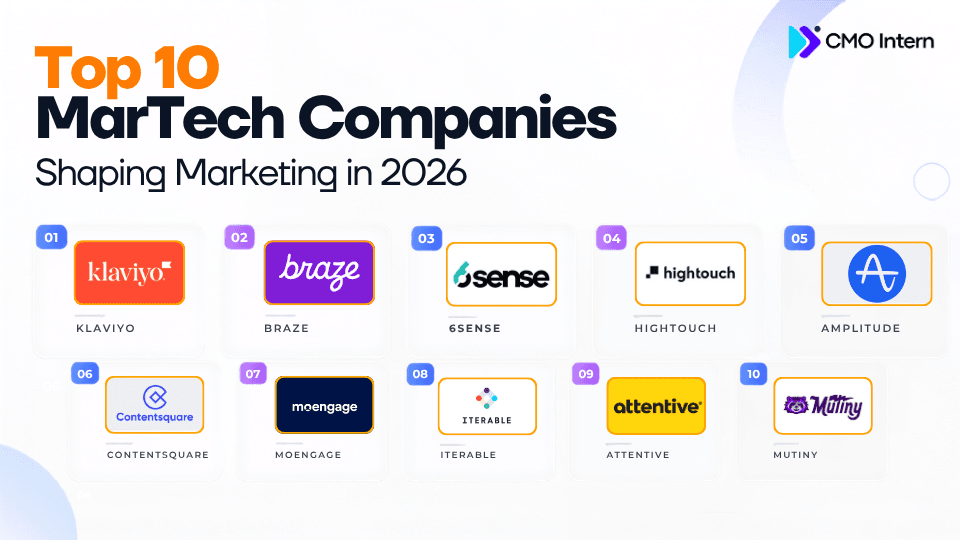
The top 10 MarTech companies shaping marketing in 2026 are those that prioritize data connectivity, autonomous decision-making, and personalized customer experiences over generic toolsets. With over 15,500 products currently in the ecosystem, marketers are shifting away from bloated software suites toward specialized platforms that turn complex data into measurable action.
That makes choosing the right technology more difficult. The biggest software companies are not necessarily the best fit for every marketing team. Specialized MarTech companies can often offer deeper capabilities in areas such as customer engagement, account-based marketing (ABM), digital analytics, personalization, and data activation. For those looking to scale efficiently, many organizations now explore growth marketing agencies to manage these complex stacks.
This guide highlights the top 10 MarTech companies worth watching in 2026. Rather than focusing on global technology giants such as Microsoft, Google, Oracle, Adobe, or Salesforce, the list focuses on specialized companies that are building important parts of the modern marketing stack.
Top 10 MarTech companies shaping marketing in 2026
| Company | MarTech Category | Best Known For |
|---|---|---|
| Klaviyo | B2C CRM & Marketing Automation | Ecommerce and lifecycle marketing |
| Braze | Customer Engagement | Cross-channel customer journeys |
| 6sense | Account-Based Marketing | B2B intent and revenue intelligence |
| Hightouch | Customer Data & Activation | Warehouse-native marketing |
| Amplitude | Digital Analytics | Product and customer behavior analytics |
| Contentsquare | Digital Experience Analytics | Experience and journey intelligence |
| MoEngage | Customer Engagement | Personalization and retention |
| Iterable | Cross-Channel Marketing | Omnichannel customer engagement |
| Attentive | Conversational & Lifecycle Marketing | SMS, email, and RCS |
| Mutiny | B2B Personalization | AI-powered website personalization |
1. Klaviyo – Best for B2C Marketing Automation
Klaviyo has become one of the most important specialized MarTech companies for ecommerce and B2C brands. Its platform combines customer data, segmentation, marketing automation, analytics, and messaging across channels such as email, SMS, mobile push, WhatsApp, and RCS.
What makes Klaviyo particularly relevant in 2026 is its movement toward an autonomous B2C CRM. The company has introduced AI agents such as Composer, which can generate and optimize marketing campaigns from natural-language prompts, while its Customer Agent connects marketing and customer service workflows.
Klaviyo also announced major platform changes in September 2026, including a headless architecture, SQL capabilities inside its data platform, a new personalization layer, and broader access to its platform through external AI tools.
Best for: Ecommerce, retail, DTC, and B2C brands.
Why it stands out: Deep behavioral data combined with marketing automation and increasingly autonomous AI capabilities.
Potential limitation: Its strongest use cases are concentrated around B2C and commerce rather than traditional enterprise B2B marketing.
2. Braze – Best for Customer Engagement
Braze focuses on one of the most important parts of modern MarTech: customer engagement.
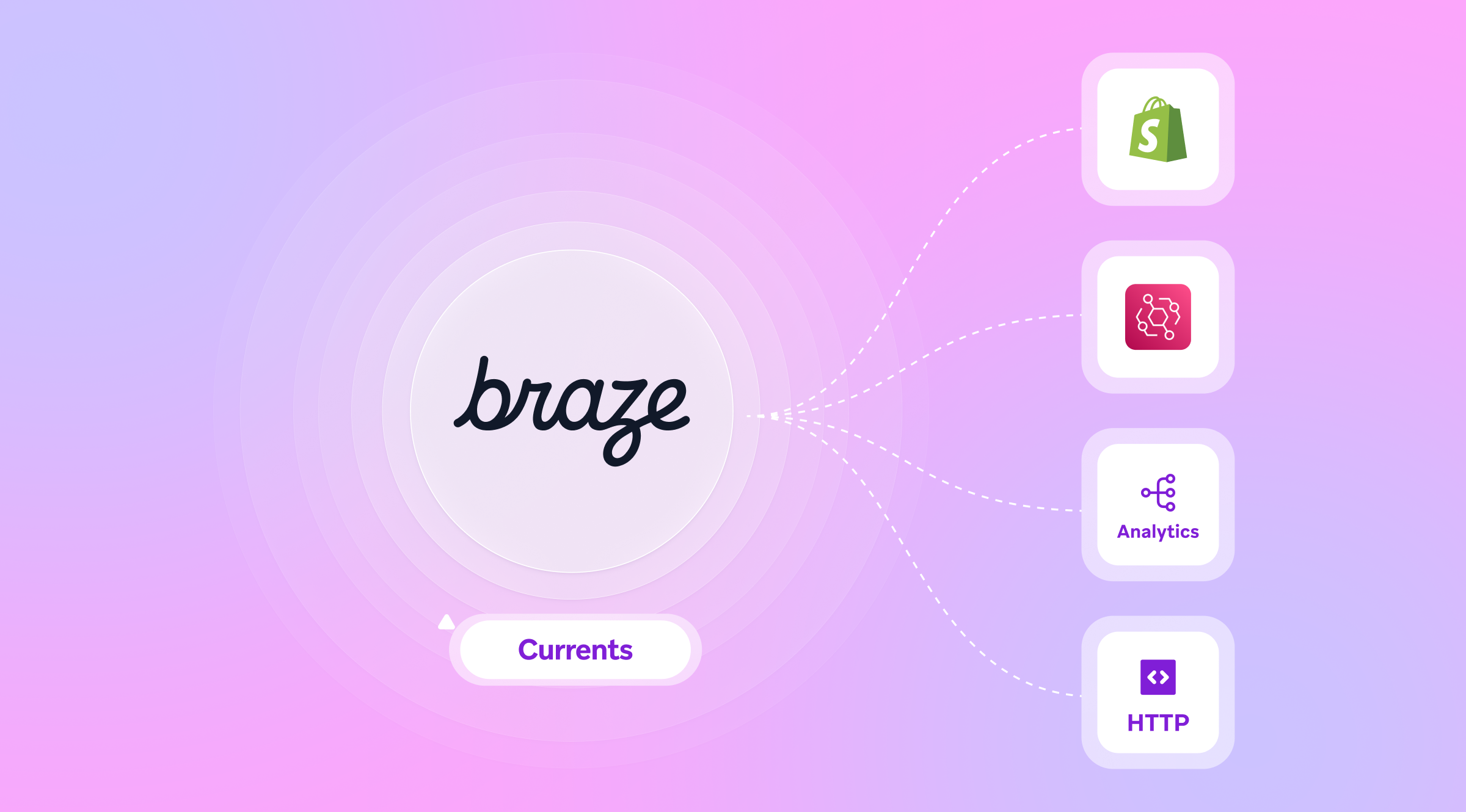
The platform allows brands to combine customer data with cross-channel messaging and journey orchestration. Marketers can create experiences across channels while using behavioral information to determine what customers should receive and when.
Braze is particularly relevant for companies with complex digital customer journeys. Mobile applications, subscription businesses, digital marketing strategies, media companies, and digital-first consumer brands can benefit from its ability to respond to real-time customer behavior.
The platform is also investing heavily in AI through BrazeAI, which supports decisioning, optimization, and personalized customer engagement. Braze
Best for: Mobile-first companies, apps, subscription businesses, and large consumer brands.
Why it stands out: Strong cross-channel orchestration and sophisticated behavioral engagement.
Potential limitation: Braze can be more complex than necessary for smaller companies with simple email-based marketing needs.
3. 6sense – Best for B2B Account-Based Marketing
For saas marketing agencies, 6sense occupies a different part of the MarTech landscape. Rather than focusing primarily on email or consumer engagement, the company specializes in account-based marketing, buyer intent, and revenue intelligence. Many firms leverage these insights to refine their saas market strategy for better alignment with sales.

6sense helps marketing and sales teams identify accounts that may be entering a buying cycle, understand account-level activity, and prioritize engagement based on buying signals.
Its 2026 product development shows how the company is moving further toward AI-driven revenue marketing. Recent releases include RevvyAI, AI-powered conversational capabilities, and an MCP server that can make account intelligence accessible through AI assistants.
The company has also introduced AI-recommended leads that connect advertising engagement with potential sales contacts, helping close the gap between marketing activity and pipeline generation.
Best for: B2B demand generation, ABM, enterprise marketing, and revenue teams.
Why it stands out: It connects intent data, account intelligence, advertising, and sales activation.
Potential limitation: Its value is much higher for organizations with complex B2B sales cycles than for small B2C businesses.
4. Hightouch – Best for Customer Data Activation
Hightouch represents an important shift in MarTech: moving marketing activation closer to the company's existing data warehouse.

Instead of forcing marketing teams to maintain another isolated customer database, Hightouch allows organizations to activate data from their existing infrastructure. Its platform includes a composable CDP and marketing capabilities designed to help teams build audiences, personalize campaigns, run journeys, and experiment using customer data.
Its Customer Studio allows marketers to create audiences and customer journeys using warehouse data without writing SQL.
This approach is particularly interesting for companies that already have mature data teams but want marketers to work more independently.
Best for: Data-driven companies, SaaS businesses, enterprise marketing teams, and organizations with modern data warehouses.
Why it stands out: It connects data infrastructure with marketing execution without requiring marketers to rebuild their data stack.
Potential limitation: Teams without a mature data infrastructure may find the platform less immediately useful.
5. Amplitude – Best for Digital and Product Analytics
Amplitude is another specialized MarTech company that focuses on understanding what users actually do across digital products.
Its platform tracks behavioral events such as clicks, purchases, sign-ups, and other product interactions, turning those signals into insights around engagement, retention, and revenue.

In 2026, Amplitude is positioning itself as an AI-first digital analytics platform, combining behavioral analytics with AI-powered insights and activation. Marketers and product teams can analyze customer journeys and use those insights to improve digital experiences.
This makes Amplitude particularly useful when marketing does not end at acquisition. Teams can analyze what happens after someone becomes a user and identify the behaviors associated with conversion, retention, and long-term value.
Best for: SaaS, mobile apps, product-led companies, and digital businesses.
Why it stands out: Strong event-based behavioral analytics and a close connection between marketing, product, and growth teams.
Potential limitation: It is more analytics-oriented than a traditional marketing automation platform.
6. Contentsquare – Best for Digital Experience Analytics
Contentsquare focuses on understanding the digital customer experience rather than simply counting traffic or conversions.

Its platform helps teams analyze how users move through websites and applications, including interactions, journeys, conversion behavior, and areas of friction. The company describes its platform as providing experience intelligence across digital, conversation, and social channels.
Its 2026 Digital Experience Benchmark is based on 99 billion user sessions, providing a large dataset for understanding changes in digital behavior and experience performance.
For marketers, this can be particularly useful when campaign performance looks healthy on the surface but conversion rates remain weak. Experience analytics can help identify what happens between the click and the conversion.
Best for: Ecommerce, digital marketing, UX, product, and conversion optimization teams.
Why it stands out: It connects behavioral data with the actual digital experience customers encounter.
Potential limitation: It may be more sophisticated than necessary for smaller websites with simple analytics requirements.
7. MoEngage – Best for Personalization and Retention
MoEngage is a customer engagement platform built around behavioral analytics, personalization, and cross-channel marketing.

The platform supports channels including email, SMS, app notifications, and other digital touchpoints while using behavioral data to help marketers determine what customers should see next.
One of the company's major 2026 directions is moving from traditional segmentation toward 1:1 engagement. Its agentic approach is designed to allow AI agents to identify individual user patterns, create content variations, and continuously optimize engagement.
MoEngage is therefore particularly interesting for brands where retention and customer lifetime value matter as much as acquisition.
Best for: Ecommerce, fintech, travel, consumer apps, and retention-focused teams.
Why it stands out: Strong combination of analytics, personalization, and cross-channel engagement.
Potential limitation: Teams looking only for basic email marketing may not need its broader capabilities.
8. Iterable – Best for Cross-Channel Marketing
Iterable specializes in cross-channel customer engagement, helping brands manage communications across email, SMS, push notifications, in-app messages, and web push.

Its platform combines messaging, content, audiences, insights, and integrations within one marketing environment.
This makes Iterable a strong option for companies that have moved beyond isolated email campaigns and need to coordinate multiple customer touchpoints.
For example, a company could combine email, mobile push, and in-app messaging within a broader lifecycle journey rather than treating each channel as a separate marketing activity.
Best for: Consumer brands, subscription businesses, ecommerce, and companies running sophisticated lifecycle programs.
Why it stands out: Strong cross-channel orchestration without being a general-purpose enterprise software giant.
Potential limitation: Smaller teams may find the platform more advanced than their current marketing operations require.
9. Attentive – Best for SMS and Conversational Marketing
Attentive focuses on one of the most direct marketing channels: mobile messaging.
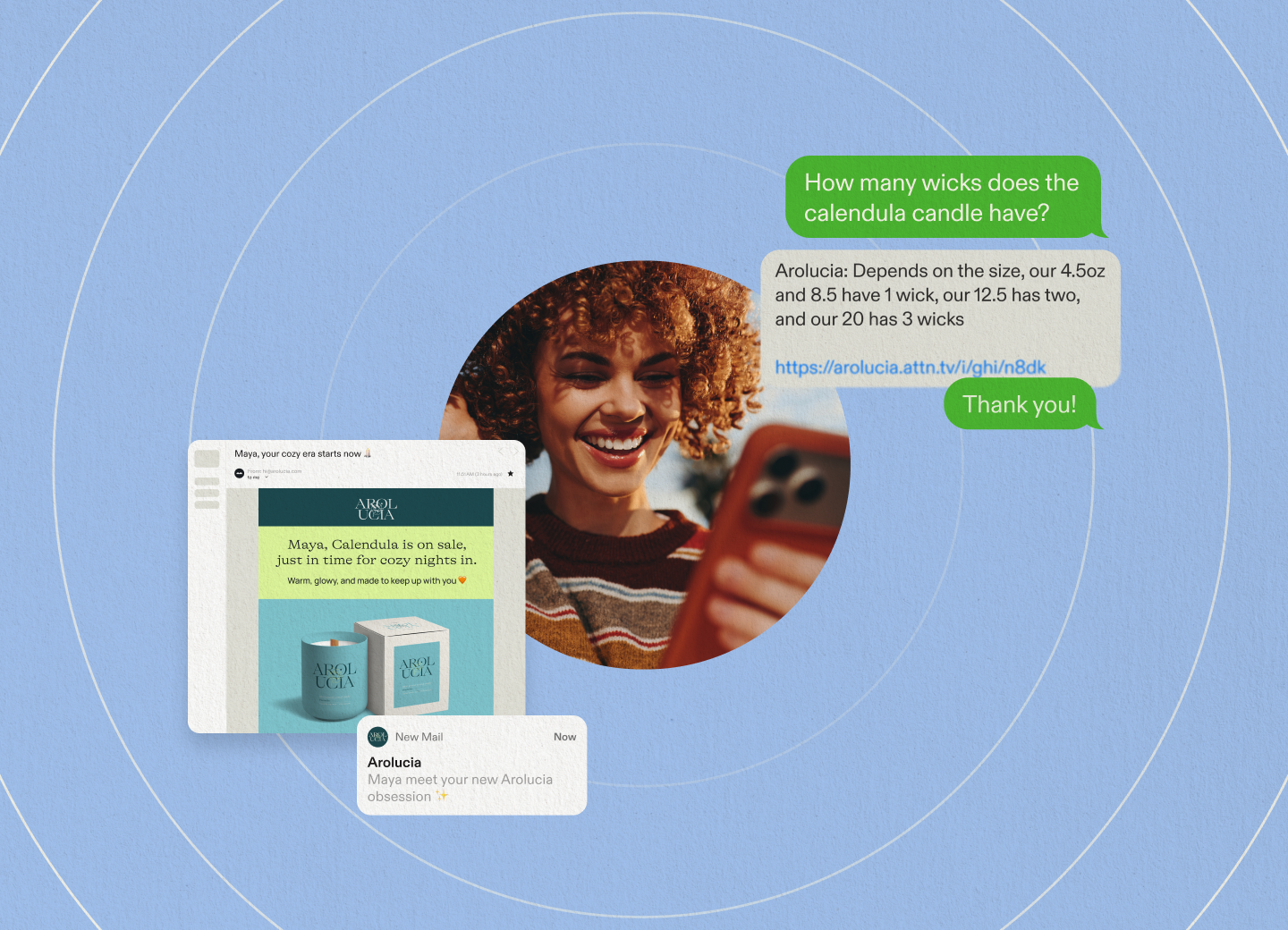
Its platform brings together SMS, email, RCS, and push notifications while using behavioral and customer signals to personalize communications.
The company is particularly relevant for consumer brands that rely heavily on direct customer relationships. Attentive says its platform processes more than one billion messages sent and received per month, demonstrating the scale of its messaging infrastructure.
Rather than treating SMS as a simple broadcast channel, Attentive positions messaging as part of a broader customer journey where browsing behavior, purchases, preferences, and engagement can influence future communications.
Best for: Ecommerce, retail, DTC, and consumer brands.
Why it stands out: Deep specialization in SMS and personalized conversational engagement.
Potential limitation: Businesses without a significant consumer messaging strategy may get less value from the platform.
10. Mutiny – Best for B2B Website Personalization
Mutiny takes a more focused approach to MarTech by concentrating on website personalization for B2B growth teams.

The platform enables marketing teams to create personalized customer-facing assets based on information such as industries, personas, accounts, and sales context. Its newer AI capabilities can help teams create and modify page assets using natural-language instructions.
Mutiny is particularly interesting for B2B companies because the same website does not necessarily need to speak to every visitor in the same way. A fintech prospect, for example, may respond to completely different messaging than a SaaS or healthcare prospect.
The company is also building deeper integrations with AI assistants such as ChatGPT and Claude, allowing marketers to create customer-facing assets using contextual information from their existing workflows.
Best for: B2B SaaS, account-based marketing, demand generation, and growth teams.
Why it stands out: It turns website personalization into a practical GTM workflow rather than treating personalization as a purely technical project.
Potential limitation: Its strongest use cases are concentrated in B2B rather than broad consumer marketing.
How We Selected These MarTech Companies
There are thousands of products in the modern marketing technology ecosystem, so simply creating a list of the biggest vendors would not provide much value. The 2026 MarTech landscape contains more than 15,500 products, with significant movement between categories as companies add, remove, and consolidate technologies.
For this list, we focused on five factors:
1. Product specialization
A strong MarTech company should solve a recognizable marketing problem exceptionally well. This could be customer engagement, ABM, analytics, personalization, or data activation.
2. Current innovation
The companies included are actively developing AI, automation, personalization, analytics, or data capabilities rather than simply maintaining legacy software.
3. Practical marketing value
The technology needs to have a clear connection to marketing outcomes such as acquisition, conversion, engagement, retention, or revenue.
4. Differentiation
We avoided building a list dominated by companies that offer essentially the same all-in-one enterprise suite.
5. Relevance in 2026
The top 10 MarTech companies should reflect where web3 brand marketing is moving today—not simply which companies were popular five or ten years ago.
This matters because the MarTech market itself is changing. The 2026 landscape shows strong growth in areas such as mobile and web analytics, ecommerce technology, data integration, and marketing automation, while the overall number of products has largely plateaued.
What Are the Main MarTech Categories?
The MarTech landscape is broader than marketing automation alone. Different platforms are designed to solve different parts of the marketing process, from understanding customer behavior to activating data and personalizing digital experiences.
The top 10 MarTech companies featured in this list represent several of the most important categories shaping modern marketing.
Customer Engagement & Marketing Automation
Platforms such as Klaviyo, Braze, MoEngage, Iterable, and Attentive help brands communicate with customers across multiple channels. These platforms can automate email, SMS, push notifications, in-app messages, and other customer interactions based on behavioral data.
For marketers, the main advantage is the ability to move from one-time campaigns toward continuous, personalized customer journeys.
Account-Based Marketing & B2B Marketing
Companies such as 6sense and Mutiny focus more heavily on B2B marketing. Their technology helps marketing teams understand target accounts, identify buying signals, personalize experiences, and connect marketing activity with revenue opportunities.
This category is particularly valuable for companies with long sales cycles and multiple decision-makers.
Customer Data & Data Activation
Hightouch represents the growing importance of customer data activation. Instead of keeping marketing data isolated inside a traditional marketing platform, warehouse-native technologies allow companies to use their existing customer data infrastructure to create audiences and activate campaigns.
As marketing teams become increasingly data-driven, this category is becoming an important part of the modern MarTech stack.
Analytics & Customer Intelligence
Amplitude and Contentsquare focus on understanding what customers actually do.
Analytics platforms can help marketers identify where users drop off, which behaviors are associated with conversion, how customers interact with digital products, and where experiences can be improved.
Rather than simply reporting traffic numbers, modern analytics tools increasingly aim to explain why customers behave the way they do.
Frequently Asked Questions
What is a MarTech company?
A MarTech company develops technology that helps web3 marketing talent plan, execute, measure, automate, or optimize marketing activities. MarTech can include marketing automation, customer engagement, analytics, personalization, CDPs, advertising technology, content technology, and data activation. For those looking to integrate these tools, many firms now rely on data driven marketing to ensure their tech stack delivers measurable ROI.
What are the top 10 MarTech companies in 2026?
The top 10 MarTech companies highlighted in this guide are Klaviyo, Braze, 6sense, Hightouch, Amplitude, Contentsquare, MoEngage, Iterable, Attentive, and Mutiny. They were selected for specialization, innovation, practical marketing value, and relevance to the 2026 MarTech ecosystem rather than simply company size.
1. Is MarTech only for large companies?
No. MarTech is used by companies of many sizes. Smaller businesses may use focused tools for email automation, analytics, or customer engagement, while larger organizations may build complex technology stacks involving multiple platforms.
2. What is the difference between MarTech and marketing automation?
Marketing automation is one part of MarTech. Marketing automation focuses on automating activities such as email campaigns, customer journeys, segmentation, and lead nurturing. MarTech is a much broader category that also includes analytics, personalization, customer data platforms, advertising technology, content tools, and other marketing systems.
3. Why is AI becoming important in MarTech?
AI allows marketing platforms to move beyond simple rule-based automation. Modern platforms can increasingly analyze customer behavior, recommend actions, generate content, personalize experiences, and optimize campaigns. The shift is visible across the top 10 MarTech companies, from Klaviyo's AI agents and BrazeAI to 6sense's RevvyAI and MoEngage's agentic engagement capabilities.
4. Should companies use one MarTech platform or several specialized tools?
It depends on the organization's needs. An all-in-one platform can simplify operations, while specialized tools may provide significantly deeper capabilities in a specific area. Many modern marketing teams use a combination of systems connected through APIs, data warehouses, customer data platforms, and integration tools.https://amplitude.com/

