


Verifying regulatory compliance and litigation experience: Best crypto lawyer in Miami Florida
The best crypto lawyer in Miami Florida must hold active standing with The Florida Bar and demonstrate a documented history of navigating SEC or CFTC enforcement actions. You can verify an attorney's disciplinary record by visiting the official Florida Bar website and searching their name in the "Find a Lawyer" portal to ensure no history of malpractice or ethical sanctions exists in financial litigation.
Evaluating past digital asset case outcomes
Distinguishing between a general commercial litigator and a specialized blockchain attorney is critical. Request specific case citations where the attorney successfully argued matters involving tokenized securities, decentralized finance (DeFi) protocols, or exchange-related disputes. A qualified practitioner should be able to explain the jurisdictional nuances of their past cases without relying on vague industry jargon.
Technical proficiency requirements for blockchain evidence
A competent attorney in this field must understand the mechanics of on-chain transactions and smart contract architecture. If your case involves a dispute over a hacked wallet or a failed protocol, your legal counsel should be capable of interpreting block explorer data from Etherscan or BscScan to build a factual narrative for the court.
Assessing forensic accounting capabilities
Your lawyer should maintain a professional network of blockchain forensic experts who can perform chain analysis to trace the movement of disputed assets. These experts provide the technical evidence required to support legal filings, especially when dealing with anonymized wallet addresses or cross-chain bridges.
Smart contract review and interpretation
In cases involving code-based agreements, the ability to audit Solidity or review smart contract logic is a distinct advantage. Counsel who can translate technical code vulnerabilities into legal arguments regarding breach of contract or fiduciary duty provide a significant edge in complex digital asset litigation.
Structuring the engagement for cost-efficiency
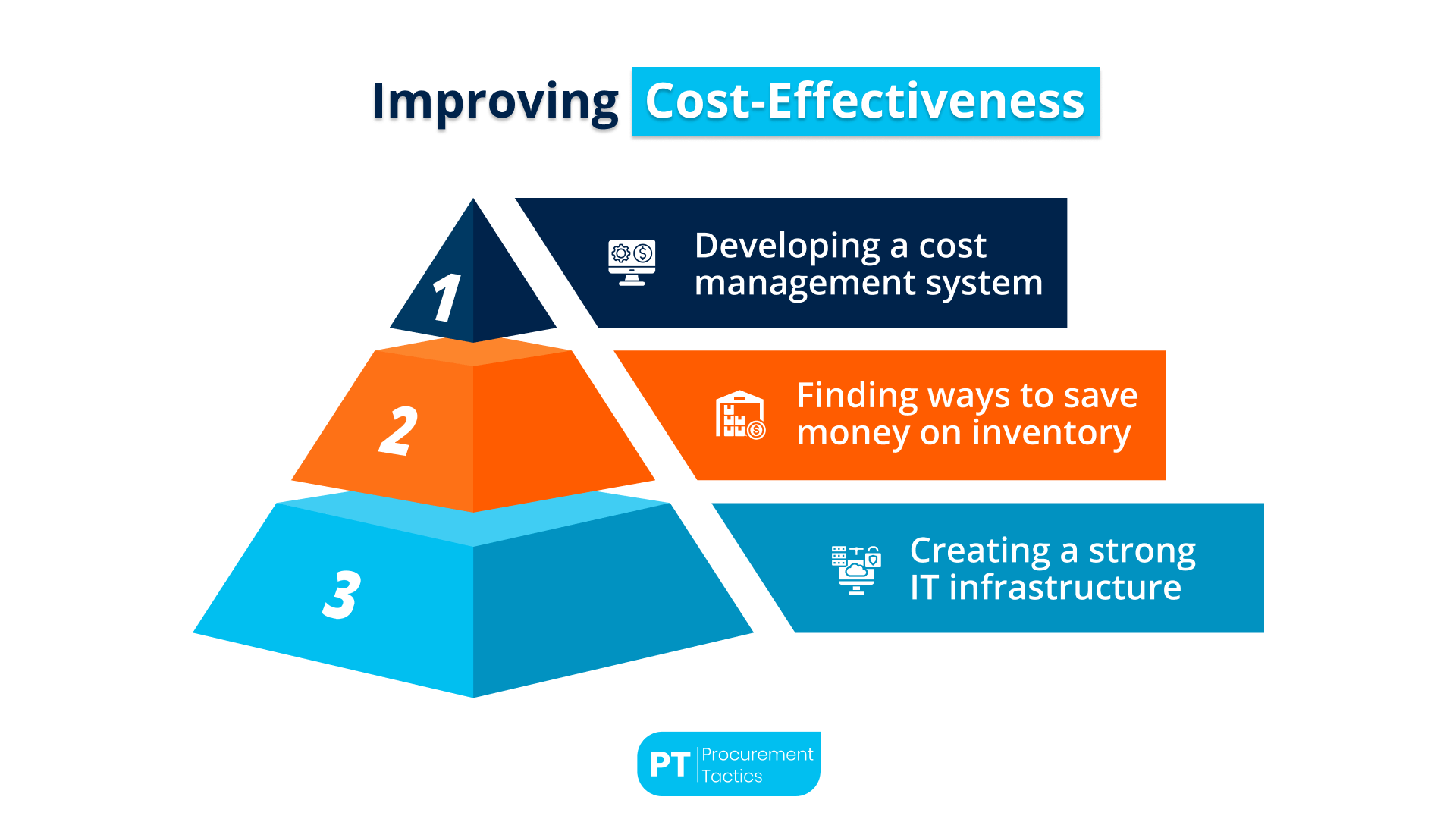
Clear fee structures are essential to prevent billing disputes in high-stakes crypto litigation. Negotiate a clear scope of work that differentiates between fixed-fee document review and hourly billing for court appearances or depositions to maintain transparency throughout the engagement. Ask for a detailed breakdown of how they bill for 'discovery' in crypto cases, as reviewing thousands of lines of transaction logs can be significantly more time-consuming than traditional document review.
Managing retainer agreements for crypto volatility
Given the volatility of digital assets, discuss how the firm handles retainers paid in cryptocurrency versus fiat. If a firm accepts payment in stablecoins, ensure the engagement letter specifies the exact exchange rate mechanism used at the time of invoice settlement to avoid future disputes over valuation fluctuations.
Geographic and jurisdictional considerations in miami
Miami has emerged as a hub for digital asset innovation, and local counsel often possess deep familiarity with the Southern District of Florida's approach to crypto-related motions. Understanding Florida's specific legislative stance on digital assets is vital for developing a strategy that aligns with both state and federal regulatory expectations. For instance, Florida's recent legislative updates regarding the definition of 'money transmitter' for crypto businesses can impact how your lawyer structures your defense or compliance strategy.
Navigating local regulatory bodies
Beyond federal oversight, your counsel must be adept at interacting with the Florida Office of Financial Regulation (OFR). If your business operations involve money transmission or virtual currency exchange, your lawyer should have experience filing for necessary state-level licenses or responding to OFR inquiries, which differ significantly from federal SEC filings.
Finalizing the attorney-client communication protocol
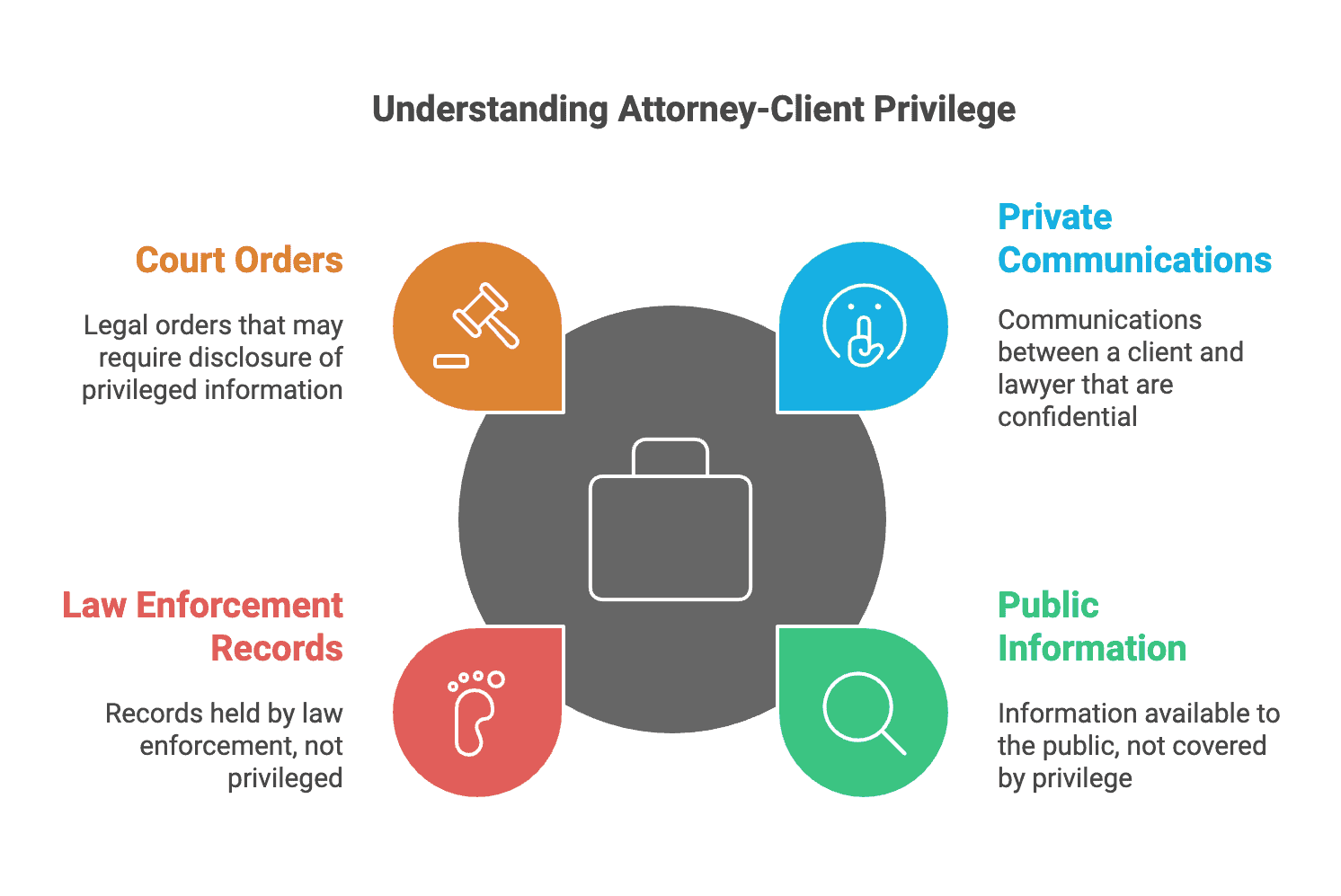
Protecting sensitive private keys and wallet data requires a secure communication protocol. Ensure your legal team utilizes end-to-end encrypted platforms for all sensitive correspondence to maintain attorney-client privilege while handling confidential digital asset documentation. Never share your seed phrase or private keys with legal counsel; a competent attorney will understand that they only need public addresses and transaction hashes to perform their duties.
Due diligence on firm resources
Beyond the individual attorney, evaluate the firm's infrastructure. Does the firm have the capacity to handle large-scale data storage for digital evidence? A firm that lacks secure, encrypted cloud storage for massive datasets of transaction history may pose a security risk to your case. Furthermore, ensure the firm has experience with 'Rule 30(b)(6)' depositions if your case involves a corporate entity, as they will need to designate a witness who can speak to the technical operations of the blockchain platform in question.
Assessing internal cybersecurity protocols
Ask the firm specifically about their data retention policies for digital evidence. A firm handling crypto litigation should ideally utilize air-gapped storage or encrypted cold storage solutions for sensitive client data, such as private keys or proprietary smart contract code, to prevent unauthorized access during the discovery phase.
Frequently Asked Questions
Essential criteria for hiring a blockchain lawyer
Look for active Florida Bar standing, specific experience in SEC/CFTC litigation, and the ability to explain complex technical concepts like smart contract audits in plain language. If you are looking for broader representation, you might research the best crypto lawyers USA to ensure your firm has national reach.
Necessity of specialized counsel for crypto tax issues
Yes, crypto tax law involves unique reporting requirements for digital assets that general tax attorneys may not be familiar with. Seek counsel with specific experience in IRS digital asset compliance.
Capabilities of cryptocurrency lawyers in fund recovery
While they can coordinate with forensic experts to trace assets and file the necessary legal actions, recovery is often dependent on the jurisdiction and the nature of the theft.
Standard fee structures for blockchain legal services
Fees vary based on complexity and firm size. Most charge hourly rates for litigation, though some may offer flat fees for specific tasks like contract review or regulatory filings.
Legal representation for NFT and DeFi disputes
Yes, lawyers specializing in these areas understand the specific smart contract risks and regulatory frameworks governing NFTs and decentralized protocols.
Core responsibilities of crypto legal practitioners
They handle regulatory compliance, litigation involving digital assets, smart contract disputes, and provide legal guidance on the crypto lawyers web3 landscape as it evolves.

