



Regulatory expertise beyond general corporate law: Best crypto lawyers in india
Finding the best crypto lawyers in india requires moving past firms that simply handle standard commercial litigation or incorporation. The legal framework governing Virtual Digital Assets (VDAs) is distinct from traditional financial regulations, requiring counsel who actively monitor notifications from the Ministry of Finance and the Reserve Bank of India.
A qualified practitioner must demonstrate a granular understanding of how the Prevention of Money Laundering Act (PMLA) applies to decentralized protocols and non-custodial wallets. They should apply these principles to new technology rather than relying solely on legacy banking statutes. If you are curious about the specific scope of their work, you can learn more about what do crypto lawyers do to protect your interests.
Demonstrable experience with VDA taxation
The Finance Act 2022 introduced a specific tax regime for VDAs, including a 30% tax on income from transfers and a 1% Tax Deducted at Source (TDS) on transactions. When evaluating a lawyer, ask for specific examples of how they have handled tax disputes related to these provisions.

A competent attorney should be able to explain the nuances of 'cost of acquisition' calculations for crypto assets and the implications of the 'no set-off' rule for losses against gains. If a lawyer cannot articulate the difference between capital gains treatment and business income classification for high-frequency traders, they lack the necessary specialization for the current Indian tax climate.
Understanding of FIU-IND compliance
Crypto exchanges and intermediaries operating in India must register as Reporting Entities with the Financial Intelligence Unit (FIU-IND). Your legal counsel must be well-versed in the specific reporting obligations under the PMLA, including the maintenance of KYC records and the filing of Suspicious Transaction Reports (STRs).
Verify that your lawyer has experience drafting internal compliance manuals that satisfy FIU-IND audits. They should be able to guide you through the specific documentation requirements for onboarding users while maintaining the privacy standards mandated by the Digital Personal Data Protection Act. Counsel who are unfamiliar with these registration procedures or the periodic reporting cycles risk leaving your business exposed to significant regulatory penalties and operational shutdowns.
Verification of past litigation and advisory outcomes
Before retaining counsel, you must move beyond marketing claims and verify a lawyer's actual experience with digital asset regulations in India. Since the regulatory environment remains fluid, a lawyer’s track record in handling cases involving the Enforcement Directorate (ED), the Financial Intelligence Unit (FIU), or tax disputes related to virtual digital assets (VDA) is the primary indicator of their competence.
Public record checks on high-profile cases
You can independently verify a lawyer's standing by utilizing the e-Courts Services portal. This platform provides access to case status, history, and orders across district and high courts in India. To perform a thorough check, follow these steps:
- Search by Advocate Name: Navigate to the 'Advocate' tab on the e-Courts website or mobile app. Enter the lawyer's name and the specific jurisdiction (e.g., Delhi High Court or Mumbai City Civil Court) where they primarily practice.
- Filter for Financial Crimes: Look for case types involving the Prevention of Money Laundering Act (PMLA) or Foreign Exchange Management Act (FEMA). Lawyers who have successfully represented clients in these areas are often the best best crypto lawyers usa because they understand the intersection of traditional financial law and blockchain-based transactions.
- Analyze Case Orders: Do not just look for the number of cases; examine the outcomes. Search for orders where the lawyer successfully argued for the de-freezing of bank accounts linked to crypto exchanges or secured bail in crypto-related fraud investigations.
Beyond public portals, request a redacted list of advisory outcomes. A reputable lawyer should be able to provide case studies—without violating attorney-client privilege—that demonstrate their work on compliance frameworks for crypto startups or tax structuring for high-net-worth individuals.
If a candidate claims to be an expert but cannot point to specific, verifiable instances where they have navigated the complexities of the Income Tax Act’s 30% tax regime on VDAs, treat this as a significant red flag. Always cross-reference their claims with the Bar Council of India’s database to ensure their license is active and in good standing.
Technical proficiency in blockchain forensics
Legal defense in the digital asset space requires more than traditional litigation experience. The best crypto lawyers in India must demonstrate a granular understanding of how public ledgers function, specifically regarding transaction tracing, wallet custody, and the mechanics of blockchain for lawyers course materials to stay updated on smart contracts.
If a lawyer cannot distinguish between a custodial exchange wallet and a non-custodial private wallet, they will struggle to build a credible defense or recovery strategy during regulatory scrutiny or asset theft cases. A competent attorney should be able to interpret block explorers like Etherscan or BscScan to verify transaction histories independently.
They must also understand the nuances of token standards (ERC-20, BEP-20) and how these impact the legal classification of assets under the Prevention of Money Laundering Act (PMLA) or the Income Tax Act.
Collaboration with blockchain analysis firms
High-stakes crypto cases rarely rely on legal arguments alone; they require verifiable on-chain data. When evaluating legal counsel, ask specifically if they maintain formal partnerships or workflows with blockchain analysis firms such as Chainalysis, Elliptic, or TRM Labs.
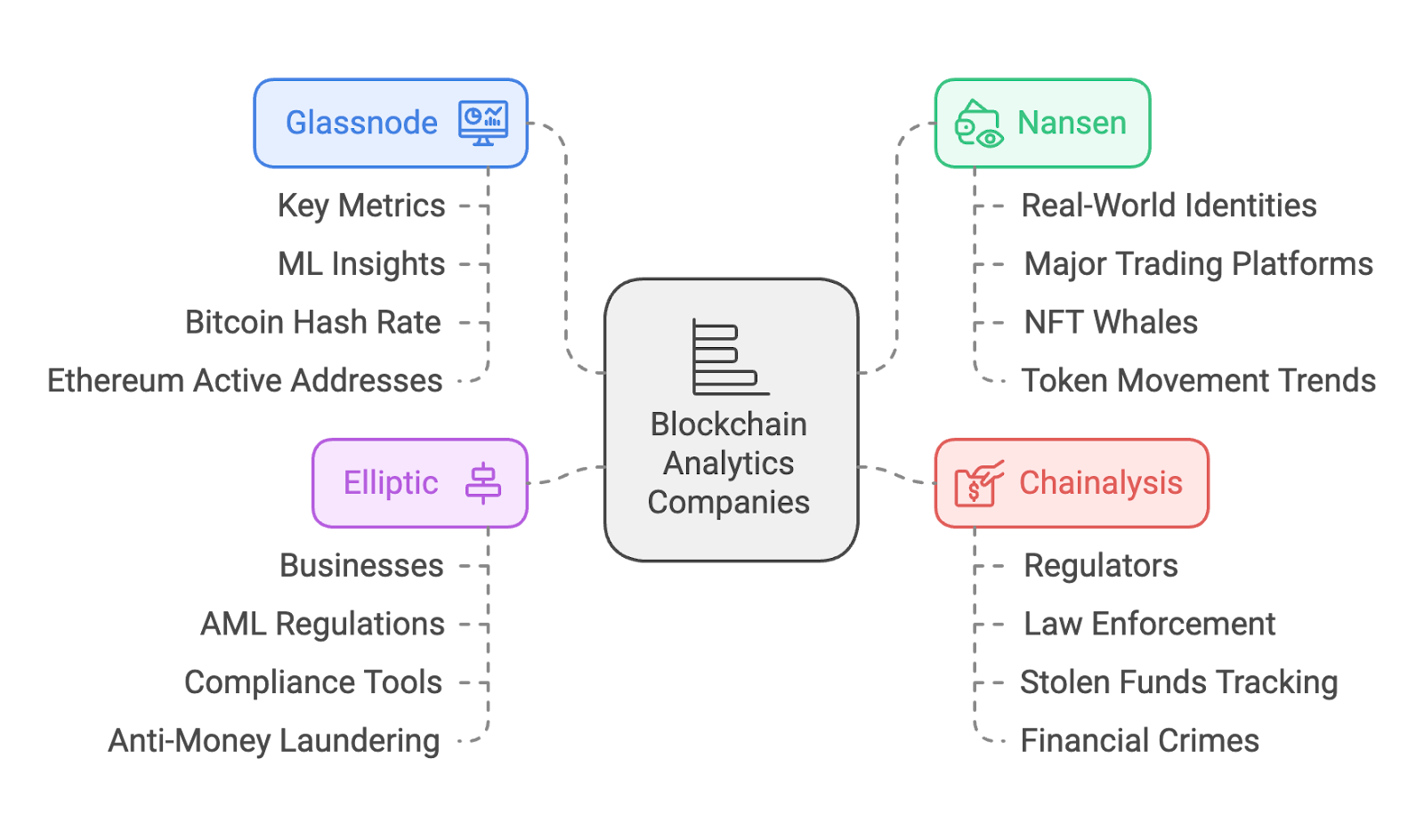
These firms provide the specialized software necessary to map illicit fund flows and generate "attribution reports" that courts and law enforcement agencies like the Enforcement Directorate (ED) accept as credible evidence. If a law firm claims to handle complex crypto-fraud cases but lacks a technical partner, they are likely relying on manual, error-prone methods.
A professional firm should be able to provide a redacted sample of a forensic report they have facilitated. This report should clearly delineate the movement of funds across multiple hops and identify the exchange endpoints involved. Without this technical layer, your legal team will be unable to effectively challenge seizure orders or prove the origin of funds when dealing with the Financial Intelligence Unit (FIU-IND) or other regulatory bodies.
Finally, ensure your lawyer understands the concept of "tainted assets." In the Indian regulatory context, the mere presence of a wallet address in a transaction chain can lead to freezing orders. Your legal representative must be capable of using forensic data to prove a lack of intent or to demonstrate that your wallet was an unwitting intermediary, a process that is impossible without precise, tool-backed blockchain analysis.
Fee structure transparency and scope of engagement
When vetting the best crypto lawyers in India, financial transparency is a primary indicator of professional integrity. Legal fees in the digital asset space vary significantly based on the complexity of the regulatory hurdle, such as navigating FIU-IND registration or defending against ED (Enforcement Directorate) inquiries.
A reputable firm will provide a detailed engagement letter outlining the scope of services, potential disbursements, and the specific billing methodology before any substantive work commences.
Fixed-fee versus hourly billing models
Choosing between fixed-fee and hourly billing depends entirely on the nature of your legal requirement. For well-defined tasks, such as drafting a Terms of Service agreement for a decentralized application or conducting a standard compliance audit for a crypto exchange, a fixed-fee model is often superior. It provides cost certainty and allows you to budget effectively without the risk of billable hour inflation.
Conversely, litigation defense or complex regulatory investigations typically demand an hourly billing structure. Because the trajectory of a court case or a government investigation is inherently unpredictable—subject to the opposing party's actions and the court's schedule—a fixed fee would likely be either prohibitively expensive or insufficient for the lawyer to provide adequate representation.
In these scenarios, ensure your counsel provides a monthly itemized statement that breaks down tasks by the minute, allowing you to track the progress of your case against the fees incurred. Always clarify if the quoted fee includes ancillary costs such as court filing fees, expert witness consultations, or travel expenses for hearings in different jurisdictions.
The best crypto lawyers in India will proactively discuss these variables, ensuring there are no surprises when the final invoice arrives. If a firm is vague about their billing structure or refuses to provide a written estimate for a defined scope of work, treat this as a significant red flag regarding their operational transparency.
Common red flags to avoid during the hiring process
Selecting the best crypto lawyers in India requires a discerning eye for professional conduct. While the legal landscape remains fluid, certain behaviors serve as immediate warnings that a practitioner may not be acting in your best interest. Avoid any firm that pressures you into immediate, high-fee retainers without first providing a written scope of work or a clear breakdown of hourly billing structures.
Transparency is the baseline for professional legal services. If a lawyer refuses to disclose their experience with the Prevention of Money Laundering Act (PMLA) or lacks a clear understanding of how the Financial Intelligence Unit (FIU) interacts with Virtual Digital Asset (VDA) service providers, they are likely unqualified to handle your specific case.
Furthermore, be wary of practitioners who claim exclusive 'insider access' to government regulators or enforcement agencies, as these assertions are legally dubious and ethically compromised.
Limitations regarding guarantees of regulatory outcomes
Any lawyer promising a specific result in a gray-area regulatory environment is a major risk. Because India’s crypto-asset taxation and classification framework—governed by the Finance Act 2022 and ongoing RBI directives—is subject to evolving judicial interpretation, no attorney can guarantee a favorable outcome from the Enforcement Directorate or the Income Tax Department.
Legitimate legal counsel will instead focus on risk mitigation, compliance documentation, and procedural defense. They should provide a range of potential scenarios based on existing precedents, such as the Supreme Court’s 2020 ruling in Internet and Mobile Association of India v. Reserve Bank of India, rather than offering absolute assurances.
If a lawyer suggests that they can bypass standard regulatory filing requirements or 'fix' a non-compliance issue through unofficial channels, you should terminate the engagement immediately. Such promises often signal a lack of professional integrity that could lead to severe legal repercussions for your business or personal assets.
Frequently Asked Questions
Essential credentials for crypto legal representation in India
Prioritize lawyers who have documented experience with the Prevention of Money Laundering Act (PMLA) as it applies to Virtual Digital Assets (VDAs), familiarity with the FIU-IND registration process, and a track record of handling cases involving the Income Tax Department's 30% tax regime on crypto gains. You may also want to consult with cryptocurrency lawyers with recovery teams if you are dealing with asset loss.
Methods for verifying blockchain technical competency
Ask for case studies or redacted court filings that demonstrate their understanding of smart contract disputes, decentralized finance (DeFi) protocols, or exchange-level liquidity issues. A lawyer who cannot explain the difference between a custodial and non-custodial wallet issue is likely not equipped for complex technical litigation.

