


Verifiable credentials for blockchain litigation
Finding legitimate blockchain lawyers requires moving beyond simple search engine results to verify specific legal and technical competencies. Because digital asset recovery involves complex jurisdictional challenges and technical forensic requirements, you must confirm that a practitioner possesses both a valid license to practice law in your jurisdiction and a proven track record in blockchain-related litigation.
State bar admission and disciplinary history
Before sharing sensitive wallet information or private keys, verify the attorney’s active status through the official state bar association website. Every state maintains a public directory that lists the lawyer’s current license status, date of admission, and any history of public discipline.
Search the attorney’s name in the state bar database to ensure they are in good standing. If a lawyer claims to specialize in crypto recovery but lacks a record of litigation or appears as 'inactive' or 'suspended,' exclude them from your list immediately. Look specifically for attorneys who list 'securities litigation,' 'commercial fraud,' or 'cybersecurity law' as their primary practice areas rather than general practice.
Technical partnerships with blockchain forensic firms
Legal expertise alone is rarely sufficient for recovering stolen crypto assets. Legitimate firms must demonstrate active, ongoing partnerships with professional blockchain forensic investigators, such as those certified by Chainalysis, TRM Labs, or Elliptic.
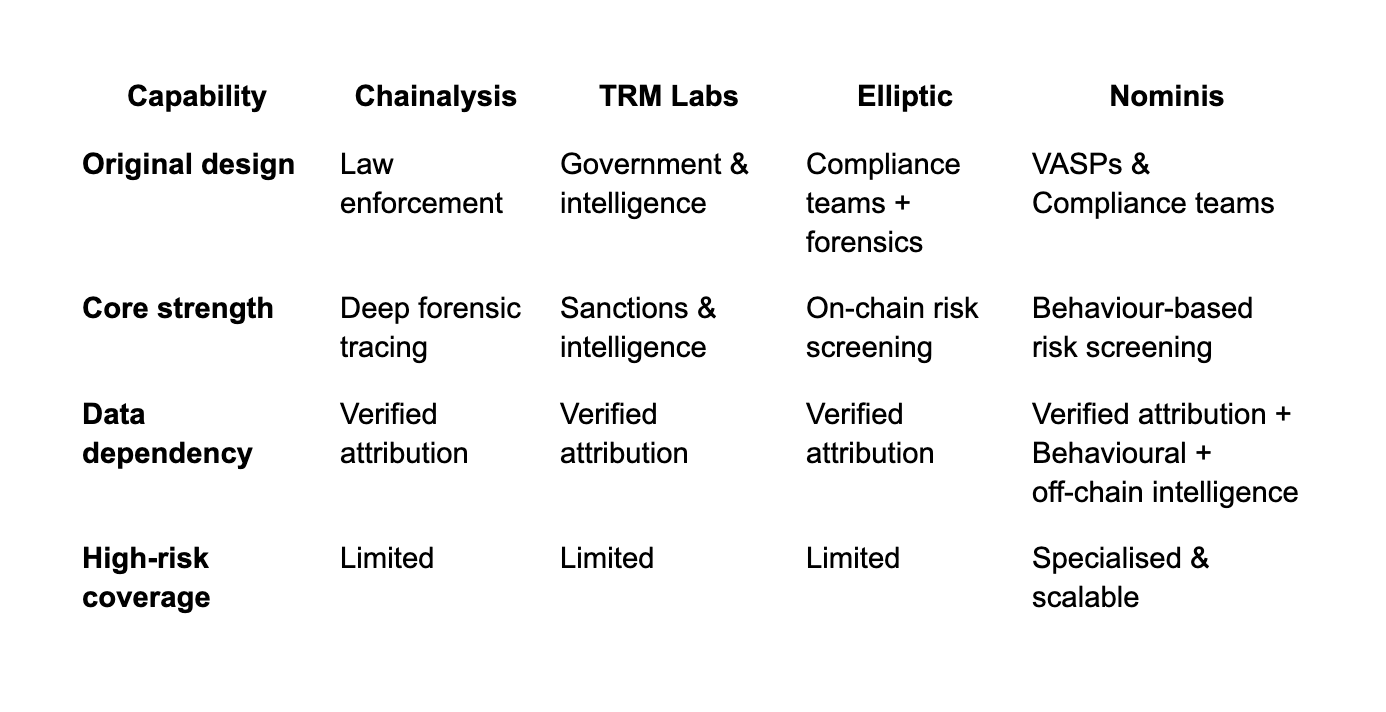
These forensic firms provide the specialized software and data analysis required to trace stolen funds across public ledgers, which is essential for building a case that law enforcement or courts will accept. Ask the lawyer directly which forensic firm they utilize for asset tracing. A credible attorney will be able to explain how they coordinate with these investigators to generate 'Proof of Loss' reports or 'Asset Seizure' requests.
If a firm claims they can recover funds without utilizing professional forensic tools or working with regulated investigators, they are likely misrepresenting their capabilities. Always request a case study or a redacted example of how they have previously collaborated with forensic experts to secure a court order or asset freeze.
Transparent fee structures and recovery models
Legitimate legal firms specializing in digital asset retrieval operate on clear, documented billing models rather than vague promises. Most reputable professionals utilize either an hourly billing structure or a contingency-based model, where fees are tied directly to the successful recovery of funds.
Before signing any contract, demand a written breakdown of how costs are calculated, including potential expenses for forensic accounting, blockchain analysis, or international legal filings. When searching for best crypto lawyer in miami florida, prioritize firms that provide a detailed engagement letter.
This document should explicitly state the scope of work, the hourly rate or contingency percentage, and the specific milestones required for payment. Be wary of firms that refuse to provide a written estimate or those that insist on receiving payment via cryptocurrency, as this practice makes it difficult to trace funds and lacks the consumer protections associated with traditional bank transfers or credit card payments.
Red flags in upfront retainer agreements
The most significant warning sign in the legal recovery space is the guarantee of results. No lawyer can ethically guarantee the recovery of stolen or lost assets, as the pseudonymous nature of blockchain transactions and jurisdictional hurdles often make retrieval impossible.
If a firm promises a 100% success rate or claims to have a "secret" method for bypassing exchange security, walk away immediately. Predatory fee structures often involve high, non-refundable upfront retainers disguised as "investigation fees" or "software licensing costs."
These firms frequently rely on high-pressure sales tactics, urging you to act quickly to prevent the assets from moving further. A professional legal practitioner will conduct a preliminary assessment of your case—often for a flat consultation fee—before requesting a retainer. If the initial agreement requires a large sum of money to be sent to an anonymous wallet address, it is likely a secondary scam designed to exploit victims who have already suffered financial loss.
Always verify the firm's physical presence and professional standing. Check their registration with the local bar association or relevant legal regulatory body. If a firm claims to be local but lacks a verifiable office address or professional credentials, they are likely operating as an offshore entity with no accountability to your local jurisdiction.
Jurisdictional limitations of crypto recovery lawyers near me
When searching for crypto tax lawyers near me, you must recognize that digital assets operate globally while legal authority remains strictly territorial. A local attorney may be highly effective at drafting demand letters or filing civil suits within your state, but they often lack the standing to compel action from foreign-based entities.
If your funds were stolen through an exchange incorporated in the Seychelles or the Cayman Islands, a lawyer licensed only in your local jurisdiction cannot unilaterally force those platforms to freeze accounts or disclose user data.
The reality of international asset tracing
Effective recovery requires more than just legal knowledge; it requires a network capable of executing cross-border legal maneuvers. Before hiring a firm, ask if they have established relationships with local counsel in jurisdictions where major exchanges are headquartered.
A local firm without international reach will likely hit a wall when attempting to serve subpoenas to offshore exchanges. These exchanges often ignore requests that do not originate from a court order recognized under the Hague Convention or specific local mutual legal assistance treaties.
You should verify if the firm utilizes specialized forensic investigators who can track transactions across multiple blockchains. While a lawyer handles the legal filing, the forensic team provides the evidence—such as wallet cluster analysis—that international authorities require to take action.
If a firm claims they can recover assets solely through local court orders, they are likely overpromising. True recovery often involves coordinating with law enforcement agencies like the FBI or Interpol, which requires a legal team experienced in navigating the intersection of private litigation and international criminal investigations. Always ask for a clear explanation of how they intend to bridge the gap between your local jurisdiction and the offshore location of the exchange holding your assets.
Documenting the chain of custody for digital evidence
Securing a legal claim for lost or stolen digital assets requires a verifiable trail of evidence that stands up to judicial scrutiny. When you engage bitcoin lawyers near me, the firm must establish a strict chain of custody for your private keys, transaction hashes, and communication logs.
Without a documented process, evidence can be ruled inadmissible, effectively ending your chances of recovery before a case reaches court.
Standard operating procedures for wallet analysis
A competent legal firm will not simply ask for your login credentials. Instead, they follow a rigorous preliminary assessment protocol to protect your remaining assets and establish a forensic foundation. You should expect the following steps during the initial phase:
- Secure Data Extraction: The firm uses non-custodial forensic tools to export transaction history directly from the blockchain ledger rather than relying on screenshots or user-provided spreadsheets.
- Attribution Mapping: Analysts trace the flow of funds through mixers or exchanges to identify the destination wallet. They must provide you with a visual map showing the movement from your source address to the suspected illicit address.
- Wallet Integrity Audit: Before proceeding, the firm assesses whether the wallet was compromised via a phishing attack, a malicious platform exploit. This distinction dictates which legal statutes apply to your case.
- Evidence Preservation: The firm creates a cryptographically signed report of your transaction history. This serves as a "snapshot" of the blockchain state at the time of the incident, ensuring that subsequent movements by the perpetrator do not invalidate your initial evidence.
If a firm suggests that you send your private keys or seed phrases to them via email or unencrypted messaging platforms, terminate the consultation immediately. Professional legal counsel utilizes secure, encrypted data rooms for evidence submission.
They should provide a written acknowledgment of receipt for every piece of digital evidence, detailing exactly who handled the data and when it was accessed. This level of transparency is the baseline requirement for any reputable practice operating in the digital asset recovery space.
Evaluating past case outcomes and client disclosures
When vetting legal representation for digital asset retrieval, you must look beyond promotional testimonials. A firm’s actual track record is found in public records, not on their landing page. Before signing a retainer, request specific case references that align with your situation, such as exchange hacks, phishing scams, or investment fraud, and verify these against legal databases.
Distinguishing between successful settlements and public filings
Marketing materials often conflate "recovered assets" with "successful litigation." In reality, most crypto disputes settle out of court to avoid the volatility of public disclosure. When a lawyer claims a high success rate, ask them to provide redacted court dockets or settlement agreements that demonstrate their involvement in similar asset recovery efforts.
Use tools like PACER (Public Access to Court Electronic Records) in the United States or the UK’s Find and View Company Information service to search for the attorney’s name. If a lawyer claims to have handled high-profile exchange litigation, their name should appear on the filings as counsel of record.
If you cannot find their name on the docket, they may have acted as a consultant rather than lead counsel, which significantly changes their level of accountability and influence over your case. Be wary of firms that promise a specific percentage of recovery before conducting a forensic audit.
Legitimate counsel will first perform a "tracing analysis" to determine if the assets moved through regulated exchanges that comply with KYC (Know Your Customer) laws. If the assets were moved through privacy-focused mixers or non-custodial wallets without a clear trail, a lawyer who guarantees recovery is likely misrepresenting the technical reality of blockchain forensics. Always prioritize firms that provide a clear, written scope of work detailing the forensic steps they will take before they ever ask for a free crypto lawyer cost analysis.
Frequently Asked Questions
Verification methods for confirming legal legitimacy
Check their registration with your local state or national bar association. Legitimate lawyers will have a verifiable public profile, a physical office address, and a history of litigation or legal practice that you can confirm through official court records or bar directories.
Limitations regarding fund recovery guarantees
No. Any firm or individual guaranteeing the recovery of stolen cryptocurrency is likely operating a scam. Legal professionals can only assist with filing police reports, coordinating with exchanges, or initiating civil litigation; they cannot bypass blockchain protocols to force a transaction reversal.

