


Economic reality of free crypto lawyer cost
Seeking legal representation for cryptocurrency asset recovery often leads victims to search for a "free crypto lawyer cost," but this search frequently reveals a misunderstanding of how legal services function in the digital asset space. In reality, legal professionals rarely provide comprehensive litigation services for crypto-related fraud or theft on a pro bono basis.
When a law firm takes on a high-stakes recovery case, the "cost" is rarely zero. It is either absorbed through a contingency fee agreement or billed at standard hourly rates, depending on the complexity of the blockchain forensics required.
Distinguishing pro bono from contingency models
It is essential to differentiate between true pro bono work and contingency-based representation. Pro bono services are typically reserved for non-profit organizations, public interest litigation, or individuals facing severe financial hardship who meet specific legal aid criteria.

Commercial crypto disputes—such as exchange insolvency, what do crypto lawyers do when managing smart contract exploits, or large-scale investment fraud—do not usually qualify for these programs. Instead, lawyers often operate on a contingency fee model, where the firm takes a percentage of the recovered assets, typically ranging from 20% to 40%.
This model shifts the financial burden from the client to the firm. While the client avoids upfront "free" legal fees, they trade a significant portion of their potential recovery for the firm's willingness to absorb the risk of a failed litigation.
If the firm determines that the assets are unrecoverable—perhaps due to the use of privacy mixers like Tornado Cash or the assets being moved to non-cooperative jurisdictions—they will likely decline the case entirely. Understanding this distinction prevents victims from wasting time seeking "free" services that do not exist in the commercial litigation market, allowing them to focus on finding firms with the technical expertise to trace transactions on-chain.
Assessing the ROI of legal representation
Evaluating the economic impact of legal counsel requires moving beyond the sticker shock of hourly billing. While the search for a free crypto lawyer cost often stems from a desire to minimize losses, the reality of blockchain litigation is that recovery outcomes are frequently tied to the sophistication of the legal strategy.
In cases involving complex smart contract exploits or decentralized exchange (DEX) liquidity theft, the difference between a successful asset recovery and a total loss often hinges on the speed and technical accuracy of the initial legal filing.
Quantifying recovery probability versus hourly rates
To determine if legal representation is financially viable, investors must perform a break-even analysis based on the probability of asset recovery. Start by calculating the total value of the lost assets at current market prices, not the value at the time of the theft. Next, estimate the likelihood of recovery—typically low for anonymous hacks but significantly higher for centralized exchange (CEX) freezes or traceable wallet movements.
Use this formula to assess your position:
- Recovery Value: (Total Assets) x (Estimated Probability of Recovery)
- Legal Threshold: (Hourly Rate) x (Estimated Hours to Resolution) + (Court Filing Fees)
If your Recovery Value is significantly lower than your Legal Threshold, hiring high-priced counsel may result in a net loss even if the case is won. However, many firms now offer contingency fee structures for high-stakes litigation, where the lawyer takes a percentage of the recovered funds—typically ranging from 20% to 40%.
This model effectively caps your downside risk, as the firm only collects if they successfully return your assets. When evaluating potential counsel, request a detailed litigation budget. A professional firm should provide a breakdown of costs including forensic blockchain analysis, expert witness testimony, and international service of process.
If a firm guarantees recovery or refuses to discuss costs upfront, treat this as a red flag. The most effective legal strategy involves balancing the cost of specialized blockchain forensics against the total recoverable amount, ensuring that the legal effort does not exceed the potential recovery value.
Hidden financial risks in low-cost legal services
Opting for legal representation based solely on low fees often masks significant long-term financial liabilities. When a firm advertises a low free crypto lawyer cost, they may lack the infrastructure to handle complex smart contract disputes or decentralized exchange (DEX) liquidity pool recovery.
This deficit frequently leads to procedural errors, such as failing to properly preserve on-chain evidence or missing strict filing deadlines for digital asset recovery. These mistakes can result in the permanent forfeiture of assets, turning a budget-friendly legal strategy into a total financial loss.
Technical expertise as a cost-saving mechanism
Hiring a specialist with blockchain forensics experience often reduces total billable hours compared to generalist litigation. A lawyer who understands the nuances of Etherscan, mempool analysis, and cross-chain bridging can identify the movement of stolen funds in hours, whereas a generalist might spend weeks researching basic transaction hashes.
Efficiency in this sector is driven by the ability to communicate directly with exchange compliance departments using industry-standard terminology. Specialized counsel typically maintains pre-existing relationships with blockchain intelligence firms like Chainalysis or TRM Labs.
By leveraging these partnerships, a specialist can generate a professional asset tracing report that is admissible in court, saving the client the cost of hiring an independent forensic accountant. A generalist practitioner, lacking these connections, often incurs higher costs by attempting to learn the technical landscape on the client's billable time.
Furthermore, specialists are better equipped to navigate the specific jurisdictional challenges of decentralized autonomous organizations (DAOs), preventing the wasted legal fees associated with filing claims in courts that lack subject matter jurisdiction over anonymous protocol developers.
Framework for evaluating legal fee structures
Assessing the true cost of legal representation in cryptocurrency disputes requires moving beyond hourly rates to understand the total economic impact on asset recovery. While the term free crypto lawyer cost often refers to initial consultations or contingency-based models, the actual financial burden is determined by the complexity of the blockchain forensic analysis required to prove ownership.
Clients must weigh the trade-offs between fixed-fee arrangements, which provide budget certainty, and contingency structures that align the attorney's incentives with successful recovery.
Standardizing fee agreements for crypto disputes
Retainer agreements in digital asset litigation are frequently susceptible to scope creep. To protect your recovery potential, scrutinize the agreement for specific clauses regarding technical expert witness fees and blockchain investigation costs. These are often treated as pass-through expenses that can rapidly inflate the total cost of legal services.
- Define the scope of recovery: Ensure the contract explicitly lists the specific wallets, exchanges, or protocols involved. Vague definitions allow firms to charge additional fees for "ancillary investigations" that should have been part of the primary mandate.
- Cap administrative charges: Many firms impose surcharges for document processing or specialized crypto-forensic software usage. Negotiate a cap on these administrative costs or insist they be bundled into the primary retainer.
- Clarity on success fees: In contingency models, define whether the percentage is calculated based on the gross recovered amount or the net amount after accounting for forensic and court costs. A gross-based calculation significantly reduces the client's actual take-home recovery.
- Exit clauses: Standardize the termination procedure. If the legal strategy fails to gain traction in the first 90 days, you should have the right to terminate the agreement without incurring excessive "break-up" fees or penalties for work already performed.
When evaluating these structures, consider the "cost-to-recovery" ratio. If the legal fees—even those structured as low-upfront costs—exceed 30-40% of the total recoverable assets, the economic viability of the litigation diminishes. Always request a detailed budget projection that accounts for potential delays in international asset freezing orders, as these often lead to unexpected billable hours.
Alternative funding options for crypto litigation
When the free crypto lawyer cost model proves insufficient for complex asset recovery, litigants often turn to alternative arrangements. Relying solely on pro bono services can limit your access to forensic accountants, blockchain investigators, and expert witnesses who typically charge significant hourly rates. Exploring structured financing can bridge the gap between initial recovery efforts and a successful judgment.
Third-party funding for high-value claims
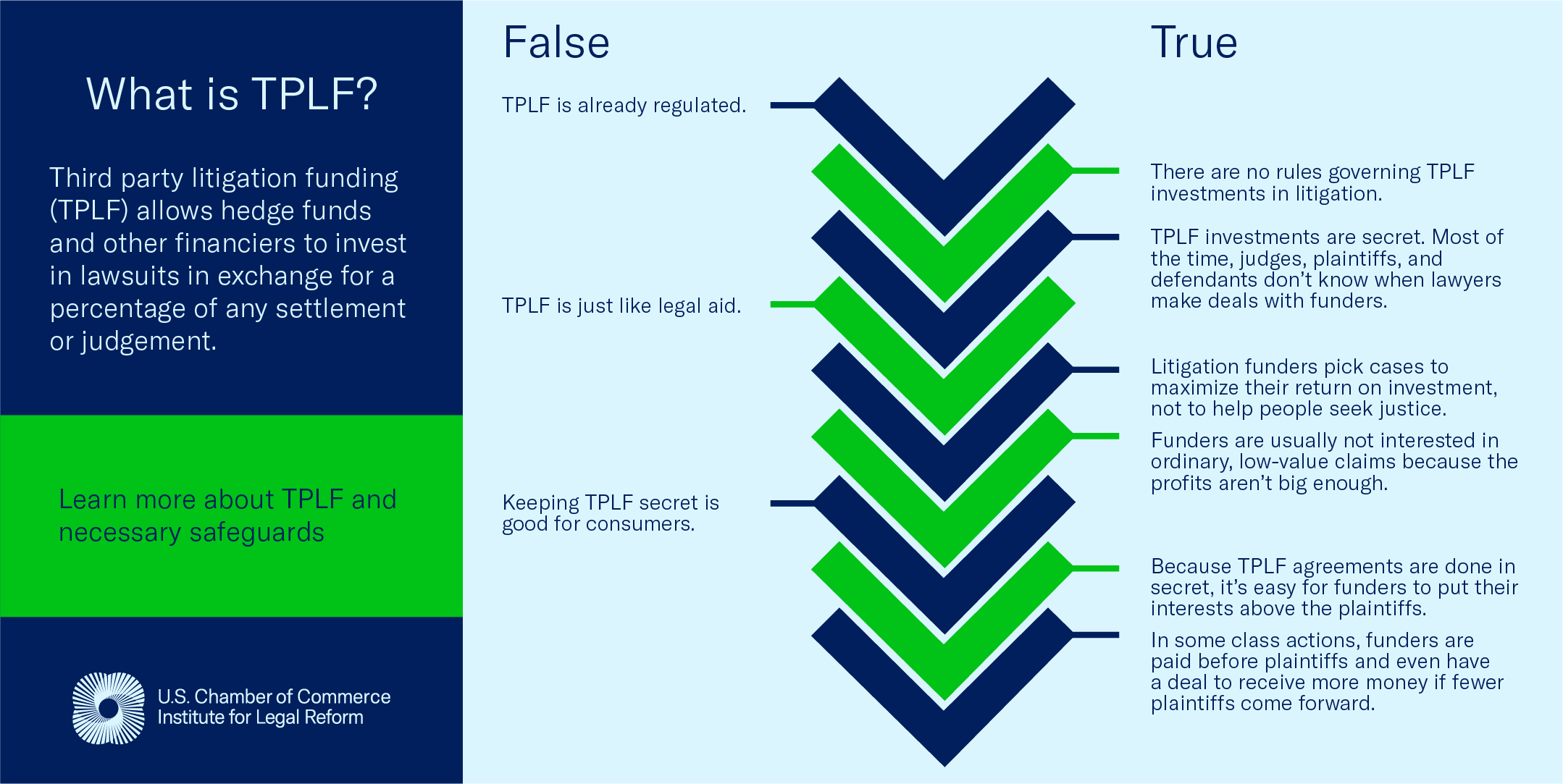
Third-party litigation funding (TPLF) involves an external investor covering your legal expenses in exchange for a percentage of the final settlement or court award. This arrangement is common in high-value crypto disputes where the cost of tracing assets across international jurisdictions exceeds the budget of an individual claimant.
Investors in this space, such as Burford Capital or Longford Capital, conduct rigorous due diligence on the probability of recovery before committing funds. The primary advantage of TPLF is that it shifts the financial risk away from the victim. If the case fails, the investor typically absorbs the loss, meaning the claimant does not owe the legal fees.
However, this comes at a premium; investors often demand 20% to 40% of the recovered proceeds. Before entering such an agreement, ensure your legal team reviews the contract to maintain attorney-client privilege and control over settlement decisions.
Contingency fee agreements and hybrid models
Many specialized crypto law firms operate on a contingency basis, where fees are paid only upon successful recovery. While this functions similarly to a free crypto lawyer cost structure at the outset, the firm takes a percentage of the recovered assets—usually ranging from 25% to 40%.
This aligns the interests of the attorney and the client, as the firm is incentivized to maximize the recovery amount. Some firms offer a hybrid model, combining a reduced hourly rate with a smaller contingency fee, which can be beneficial for claimants who have some capital but want to minimize upfront cash flow impact.
Before signing a contingency agreement, verify the firm's track record with blockchain-specific recovery. Ask for evidence of previous cases involving decentralized exchange (DEX) hacks or smart contract vulnerabilities. A firm that understands the technical nuances of transaction tracing on Etherscan or BscScan is far more likely to secure a favorable outcome than a general litigator.
Frequently Asked Questions
Correlation between free crypto lawyer cost and recovery success rates
Not necessarily, but pro bono services often lack the specialized forensic resources required for complex blockchain tracing. Recovery success usually correlates with the lawyer's access to chain analysis tools like Chainalysis or TRM Labs, which are rarely funded by free legal clinics. If you are looking for top-tier representation, you might consider consulting the best crypto lawyers usa to handle your case.
Methodology for calculating the ROI of legal representation in crypto disputes
Calculate ROI by comparing the total legal expenditure—including contingency fees and hourly rates—against the recoverable asset value adjusted for the probability of success. A 'free' lawyer may have a lower upfront cost but a significantly lower recovery probability, resulting in a negative net outcome. For those navigating the broader landscape of digital assets, staying updated with latest crypto news is crucial for risk management.

