


Contextualizing legal strategy through a blockchain lawyers forum
Startup founders frequently turn to a blockchain lawyers forum to crowdsource solutions for complex regulatory hurdles, such as token classification or cross-border jurisdictional compliance. While these platforms offer rapid access to specialized legal perspectives, the advice provided is often generalized and lacks the specific context of a company’s internal capitalization table, governance structure, or technical architecture.
Relying on forum consensus can create a false sense of security. Legal professionals in these spaces often provide disclaimers that their input does not constitute an attorney-client relationship or formal legal counsel.
Peer review of emerging smart contract precedents
Practitioners utilize these forums to stress-test novel legal arguments before they are formally filed in court or submitted to regulatory bodies like the SEC or ESMA. By presenting a draft interpretation of a blockchain for lawyers course to a community of peers, lawyers can identify potential loopholes or misinterpretations that a judge or regulator might exploit.
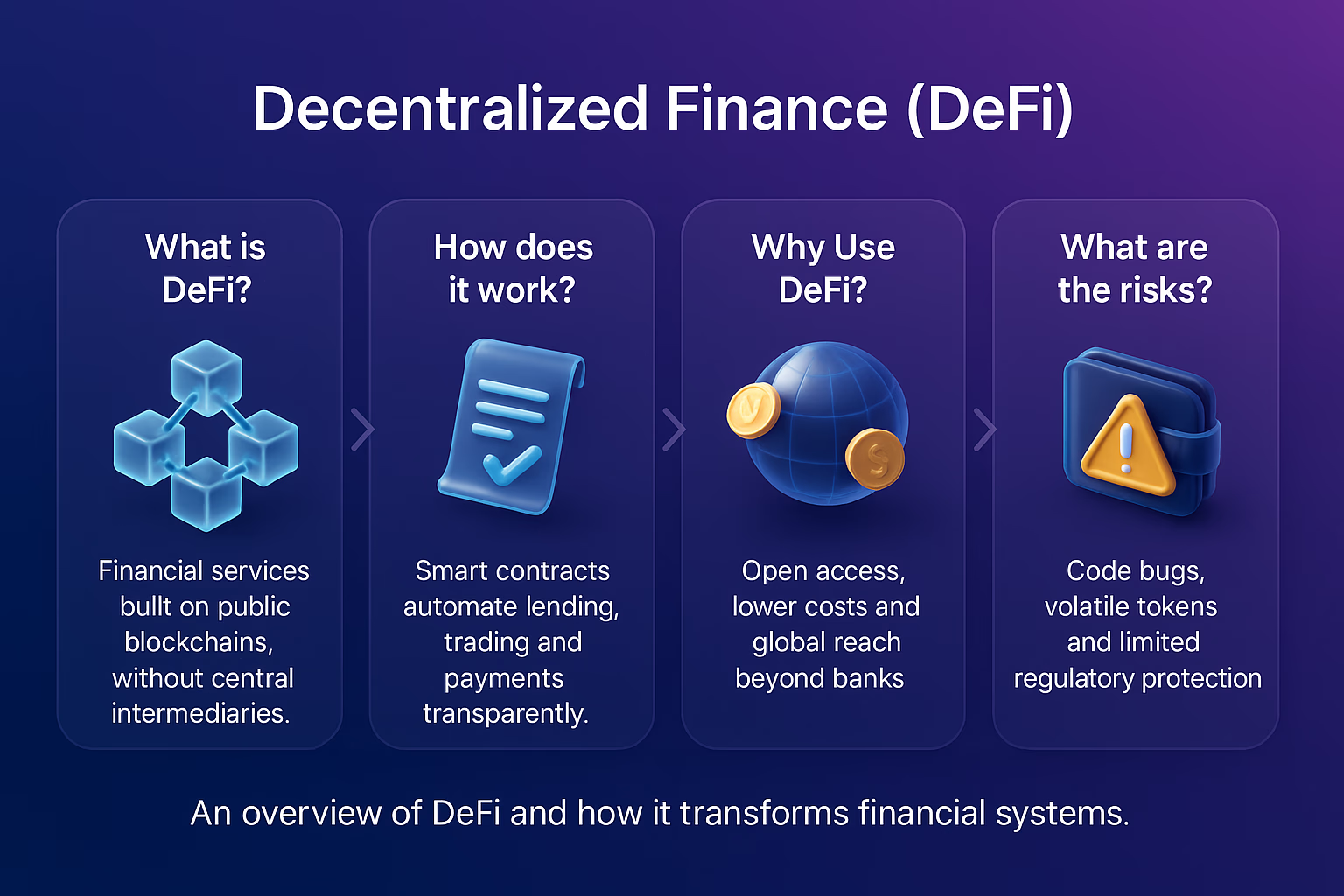
This process functions as a decentralized peer-review mechanism, allowing attorneys to refine their arguments against counter-arguments from other experts who specialize in decentralized finance (DeFi) or protocol governance.
Before filing, experienced practitioners typically follow a three-step validation process within these professional networks:
- Technical Audit Alignment: Practitioners cross-reference the legal language of a smart contract with the actual code audit reports to ensure that the legal definitions match the protocol's functional reality.
- Precedent Mapping: Lawyers share anonymized summaries of recent case law or administrative rulings to determine if their current strategy aligns with the evolving stance of local courts regarding code-as-law.
- Adversarial Simulation: Colleagues play the role of opposing counsel or regulatory enforcement officers to challenge the validity of the proposed legal framework, identifying weaknesses in the logic before the client commits to a filing strategy.
This collaborative vetting is essential because smart contracts often operate in a legal gray area where traditional contract law is ill-equipped to handle automated execution. By leveraging the collective intelligence of a blockchain lawyers forum, practitioners can better anticipate how a regulator might view the intersection of immutable code and existing securities legislation.
Case study: Navigating jurisdictional ambiguity
Startup founders often turn to a blockchain lawyers forum to resolve conflicts between decentralized protocols and local securities laws. However, these platforms frequently suffer from a lack of jurisdictional specificity. For instance, a query regarding the classification of a utility token under the U.S. Howey Test often receives conflicting responses from practitioners based in the EU, Singapore, or the Cayman Islands. Relying on this advice without verifying the attorney's specific bar admission leads to significant compliance gaps.
Consider a recent scenario where a DeFi protocol founder sought guidance on KYC/AML requirements. A top-rated contributor on a popular legal forum suggested that decentralized autonomous organizations (DAOs) were exempt from registration in certain offshore jurisdictions. The founder proceeded without formal legal counsel, only to discover later that the specific jurisdiction had updated its virtual asset service provider (VASP) regulations three months prior. The forum consensus was based on outdated information, resulting in a cease-and-desist order from local regulators.
Identifying common pitfalls in forum-based research
The primary danger of using a blockchain lawyers forum for high-stakes litigation is the reliance on non-binding, generalized consensus. Legal advice is inherently fact-specific; a forum post cannot account for your company’s specific cap table, token distribution model, or technical architecture.
When founders treat forum threads as a substitute for formal discovery or legal opinion letters, they risk the following:
- Lack of Attorney-Client Privilege: Public forum interactions do not establish a formal attorney-client relationship. Consequently, your disclosures are not protected, and opposing counsel can use your forum activity as evidence of intent or negligence during discovery.
- Confirmation Bias: Founders often favor answers that validate their existing business model rather than those that highlight regulatory risks. This creates an echo chamber that ignores the nuances of case law.
- Professional Liability Gaps: Even if a verified lawyer provides an answer, they are not liable for the outcome of your business decisions. You cannot hold a forum participant accountable for professional malpractice if their advice leads to a regulatory fine or a failed token launch.
Treat these platforms as a starting point for identifying potential issues rather than a source of actionable legal strategy. Always follow up forum research by engaging counsel to conduct a formal risk assessment tailored to your specific operational footprint.
Limitations of crowdsourced legal intelligence
Relying on a blockchain lawyers forum for startup governance introduces significant risks because these platforms lack the formal attorney-client privilege required to protect sensitive intellectual property or proprietary tokenomics. While community-driven platforms provide a space for peer discussion, they often function as echo chambers where anecdotal experiences are mistaken for binding legal precedent.
Founders frequently encounter advice that is generalized, failing to account for the specific jurisdictional nuances of their incorporation, such as the difference between a Delaware C-Corp and a Cayman Islands Foundation.
The danger of outdated regulatory interpretations
Regulatory frameworks governing digital assets evolve faster than community-moderated discussions can update. A thread discussing SEC enforcement actions from six months ago may be rendered obsolete by new guidance or recent court rulings, such as the evolving application of the Howey Test to specific DeFi protocols. Forum contributors rarely update their previous posts to reflect current ESMA guidelines or shifting MiCA compliance requirements in the European Union.
This lag creates a false sense of security. A startup founder might implement a token distribution model based on a "best practice" thread that has since been flagged by regulators as an unregistered securities offering. Because these forums operate without a formal engagement letter, there is no accountability for the accuracy of the information provided.
Unlike a retained law firm that carries professional indemnity insurance and a duty of care, forum participants operate under anonymity, meaning they bear no liability for the financial or legal fallout resulting from their guidance. Founders should treat these forums as a starting point for identifying potential issues rather than a definitive source for compliance strategy.
Operational workflow for vetting forum-derived advice
Founders often treat a blockchain lawyers forum as a primary source of truth, but these platforms function as community-driven discussion boards rather than legal counsel. To mitigate risk, treat every piece of advice as a lead rather than a directive. Establish a standard operating procedure where any suggestion regarding tokenomics, securities registration, or jurisdictional compliance is flagged for secondary verification before being integrated into your operational strategy.
Cross-referencing forum data with official case law
When a contributor cites a specific ruling or regulatory guidance, do not accept the interpretation at face value. Use specialized legal research tools to verify the context of the citation. Platforms like Casetext or LexisNexis allow you to search for the specific case name or statute mentioned in the forum.
If a user references a SEC enforcement action, search the official SEC Litigation Releases database to read the original complaint and final judgment. This ensures the advice is not based on outdated or misinterpreted legal precedents.
Follow these steps to validate technical legal claims:
- Verify the source: Check if the user is a verified legal professional. Even then, confirm their specialization matches your specific blockchain niche, such as blockchain development companies or non-fungible tokens (NFTs).
- Search for contradictory rulings: Use Google Scholar to check if the cited case has been overturned or limited by subsequent appellate court decisions.
- Check the jurisdiction: Blockchain regulations vary significantly between the US, EU, and Asia. Ensure the advice is not based on a legal framework that does not apply to your entity's incorporation location.
- Consult primary documents: Never rely on a forum summary of a whitepaper or legal memo. Locate the original document on the issuing agency's website to identify nuances that may have been omitted in the discussion thread.
If the forum advice suggests a specific legal structure, such as a Cayman Foundation or a Swiss Association, cross-reference this with local counsel in those jurisdictions. Online forums often promote structures that were popular in previous years but have since become targets for regulatory scrutiny. Always prioritize direct communication with a licensed attorney over consensus-based advice found in public threads.
Frequently Asked Questions
Legal status of blockchain lawyers forum discussions
No. Advice provided on public forums does not establish an attorney-client relationship. It is considered general information rather than professional legal counsel tailored to your specific jurisdiction or business structure.
Primary risks of using forum-based legal advice for startups
The primary risks include outdated regulatory information, lack of context regarding your specific tokenomics or corporate structure, and the absence of professional liability coverage if the advice leads to compliance failures.

