
.webp)
.png)
Transition from passive assistance to autonomous execution
The shift toward the best AI agents for personal productivity marks a move from simple text generation to multi-step task completion. While a standard chatbot waits for a prompt to draft an email or summarize a document, an agentic system proactively manages workflows by interacting with external software, calendars, and file systems without requiring constant human intervention.
Defining the agentic threshold for tool integration
The fundamental difference lies in the ability to execute actions rather than just providing information. A standard Large Language Model (LLM) interface operates within a closed loop; it processes input and produces output based on its training data. It cannot verify if a meeting was actually scheduled or if a file was successfully uploaded to a cloud drive.
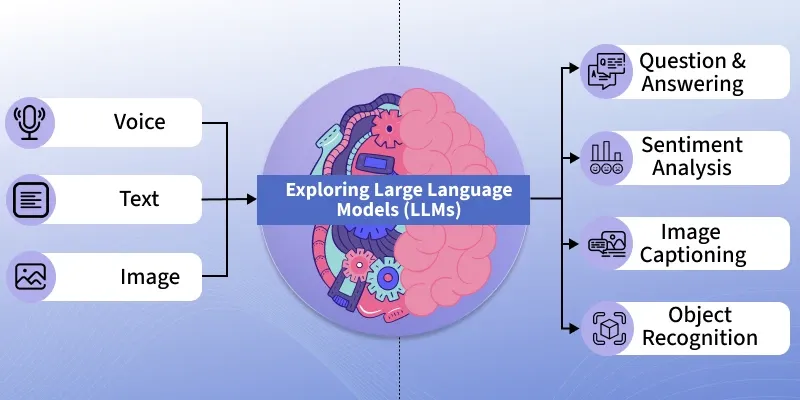
An agentic system crosses this threshold by utilizing three specific components, illustrating how AI agents work:
- Tool Access: The model is equipped with APIs or function-calling capabilities that allow it to read and write data to external applications like Google Workspace, Notion, or Slack.
- Reasoning Loops: The system employs a "Chain of Thought" or "ReAct" (Reasoning + Acting) framework. It breaks a complex request into a sequence of sub-tasks, evaluates the outcome of each step, and corrects its course if an error occurs.
- Persistence: Unlike a chat session that resets, these agents maintain state across multiple sessions, allowing them to track long-term projects or recurring administrative tasks.
For instance, if you ask a standard chatbot to "organize my travel itinerary," it will provide a template. An agentic system, such as those built on best AI agent frameworks like AutoGPT or integrated into platforms like Zapier Central, will actually log into your email, extract flight confirmation numbers, add them to your calendar, and create a folder in your drive for receipts. The agent does not just suggest the workflow; it performs the labor.
This autonomy changes the user's role from a "prompter" to a "manager." You define the objective and the constraints, while the agent handles the technical execution across your digital environment. Understanding this distinction is critical for selecting tools that genuinely reduce your workload rather than adding another layer of text-based interaction.
Operational impact of the best AI agents for personal productivity
Transitioning from static chatbots to autonomous agents shifts the user experience from reactive information retrieval to proactive task execution. Unlike traditional LLMs that wait for a prompt to summarize text, the best AI agents for personal productivity execute multi-step workflows across your local environment and cloud-based applications.
These systems function by maintaining a persistent memory of your preferences and current project status. This allows them to initiate actions before you explicitly request them.
Automating cross-platform data synchronization
The primary bottleneck in modern workflows is the fragmented nature of data stored across isolated software silos. Agents solve this by acting as a middleware layer that connects disparate APIs. To better understand the landscape of these tools, you can explore agents comprehensive autonomous systems that are redefining workplace efficiency.
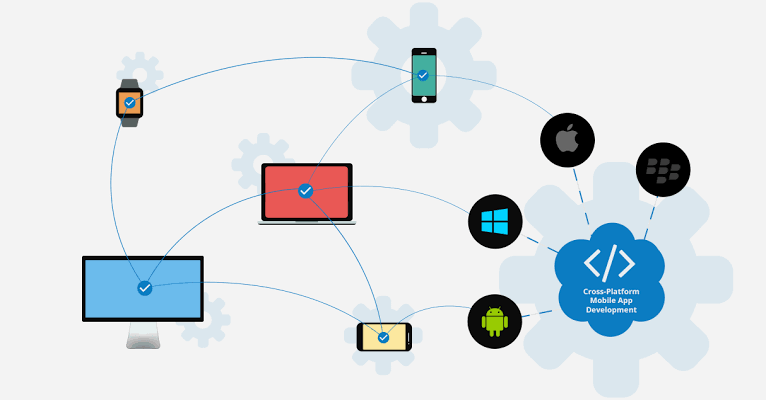
For instance, an agent configured with tools like Zapier or Make can monitor your Gmail for specific project-related invoices, extract the metadata, and automatically log the expense into a CRM like Salesforce or a spreadsheet in Airtable, showcasing best AI agents for business.
By utilizing function calling, these agents bypass the need for manual copy-pasting. They maintain data integrity by validating entries against your existing database schemas, ensuring that information remains consistent across your calendar, task manager, and communication channels without human intervention.
Reduction in cognitive load through delegated decision-making
Delegating decision-making to an agent requires a clear definition of parameters to avoid operational drift. When an agent is empowered to prioritize your inbox or schedule meetings, it reduces the mental fatigue associated with constant micro-decisions. However, this efficiency introduces a trade-off between speed and oversight.
To mitigate risks, effective implementations utilize a 'human-in-the-loop' architecture for high-stakes tasks. For example, an agent might draft three potential meeting times based on your availability and current project deadlines, but require a single-click approval before sending the calendar invites. This approach allows users to maintain control over the final outcome while offloading the time-consuming process of cross-referencing availability and drafting professional correspondence. The result is a significant decrease in context switching, allowing you to focus on high-value creative work rather than administrative coordination.
Technical requirements for reliable agent deployment
Transitioning from static chatbots to autonomous agents requires moving beyond simple prompt engineering. To ensure agents function reliably, you must establish a robust infrastructure that handles authentication, data flow, and error logging, which is crucial for creating an AI agent. Most high-performing agents require a stable connection to your local file system or cloud storage, which necessitates a secure bridge between the AI model and your private data.
Managing API access and data privacy
Granting an AI agent permissions to your email, calendar, or project management tools introduces significant security risks. To mitigate these, follow a principle of least privilege when configuring your integrations. Instead of providing broad "read/write" access to your entire Google Workspace or Slack account, use scoped API tokens that limit the agent to specific folders or channels.
For users deploying local agents via frameworks like AutoGPT or LangChain, prioritize the following security measures:
- Environment Variable Isolation: Store API keys in a local
.envfile rather than hardcoding them into your scripts. Ensure this file is excluded from any version control systems like GitHub. - Local-First Processing: Whenever possible, use local LLMs like Llama 3 or Mistral via Ollama. This keeps your data within your hardware perimeter, preventing sensitive documents from being sent to third-party servers for inference.
- Audit Logging: Enable verbose logging for all agent actions. By reviewing the agent's execution logs, you can identify if it is attempting to access unauthorized directories or making unexpected external network calls.
- Human-in-the-loop (HITL) Gateways: Configure your agent to pause and request manual approval before executing high-stakes actions, such as deleting files, sending emails, or committing code to a production repository.
When selecting the best AI agents for personal productivity, verify if the vendor offers SOC 2 compliance or end-to-end encryption. If you are building custom agents, use a secure vault service like HashiCorp Vault or AWS Secrets Manager to rotate your API keys regularly. This prevents a single compromised token from granting an agent permanent access to your sensitive workflows.
Evaluating performance metrics for agentic tools
Measuring the efficacy of AI agents requires shifting focus from simple response latency to task-based completion rates. Unlike static chatbots that measure success by token generation speed or sentiment analysis, agentic workflows demand rigorous tracking of state management and tool-use accuracy. Key performance indicators should include the number of human interventions required per task, the total time to resolution, and the reliability of API integrations during multi-step execution.
Success rates in multi-step task completion
The primary bottleneck for the best AI agents for personal productivity is the compounding error rate inherent in long-chain reasoning. When an agent must perform five sequential actions—such as searching a database, filtering results, drafting an email, and scheduling a calendar invite—each step introduces a probability of failure. If the agent has a 90% accuracy rate per step, the probability of completing a five-step chain successfully drops to approximately 59%.
To evaluate these tools effectively, users should perform stress tests using standardized workflows. Monitor how often the agent hallucinates parameters or fails to parse JSON outputs from external tools. High-performing agents utilize self-correction loops, where the model reviews its own output against the initial prompt before executing a tool call. If an agent lacks a built-in verification step, the likelihood of cascading errors increases significantly, rendering it less useful for high-stakes productivity tasks.
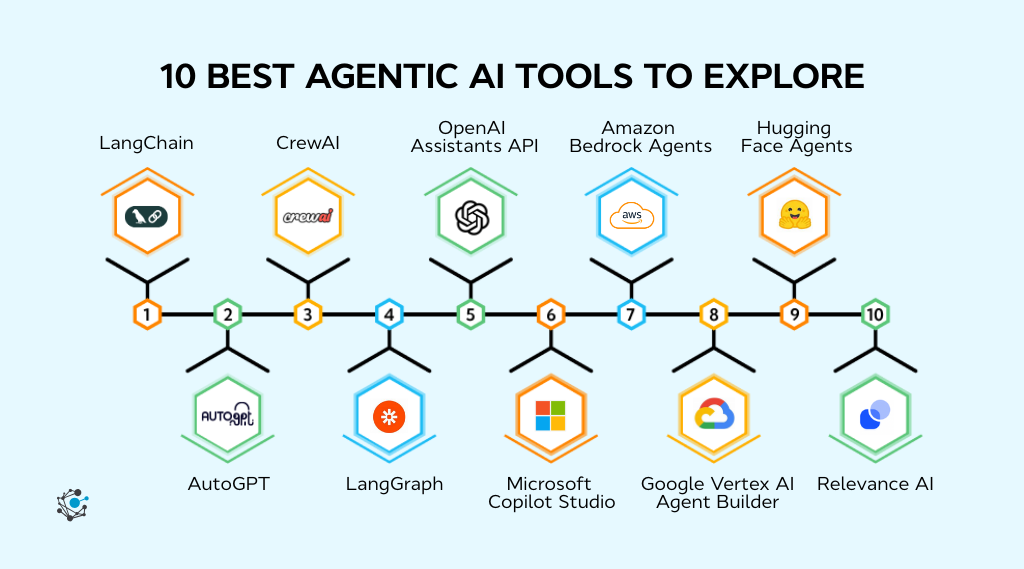
When comparing platforms, prioritize agents that offer transparent logs of their reasoning process. Tools like AutoGPT or LangChain-based custom agents often provide a 'thought trace' that allows users to identify exactly where a chain broke down. By analyzing these logs, you can determine whether the failure stems from poor prompt engineering, inadequate tool documentation, or inherent model limitations. Focus your evaluation on the agent's ability to recover from a failed step without requiring a full restart of the entire workflow.
Frequently Asked Questions
Core distinctions between AI agents and standard chatbots
A standard chatbot is reactive, waiting for user input to generate text. An AI agent is proactive and autonomous, capable of connecting to external tools, executing multi-step workflows, and making decisions to complete a specific goal without constant human intervention, providing a clear understanding of what are AI agents explained. As these systems evolve, they are also marketing agents transforming the way businesses approach customer engagement.
Methods for measuring productivity gains from agentic workflows
AI agents improve productivity by automating complex, repetitive tasks such as scheduling meetings across multiple calendars, drafting and sending emails based on CRM data, or performing deep research and summarizing findings into actionable documents. For those looking to build authority in this space, focusing on linkedin personal branding can help showcase your expertise in implementing these advanced technologies.

