


The high cost of hiring generalist counsel for crypto projects
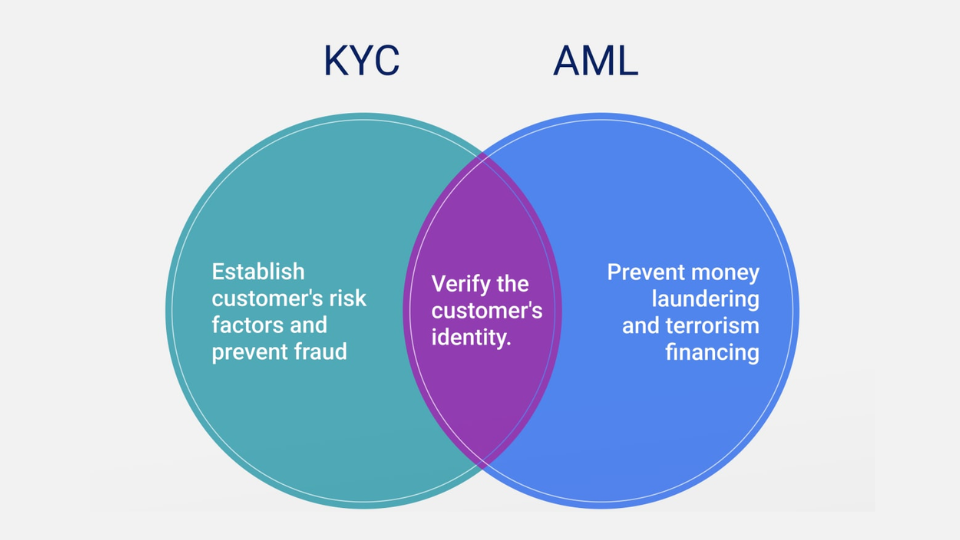
Generalist attorneys often struggle to bridge the gap between traditional corporate law and the decentralized nature of Web3, leading to costly regulatory missteps. Relying on counsel without specific experience in distributed ledger technology frequently results in misclassified securities, improper token distribution structures, or failure to meet AML/KYC requirements in jurisdictions that treat digital assets as commodities.
When a project is forced to restructure its entire tokenomics model after a regulatory inquiry, the legal fees and operational downtime far exceed the cost of hiring specialized blockchain lawyers from the outset.
Technical literacy vs. legal expertise — The necessity of counsel who understands consensus mechanisms and tokenomics
Effective legal representation in the crypto space requires more than a grasp of contract law; it demands an understanding of how code functions as law, often requiring in-depth blockchain analysis. A lawyer who cannot distinguish between a Proof-of-Work (PoW) consensus mechanism and a Proof-of-Stake (PoS) validator set will likely fail to identify the specific liabilities inherent in a project's governance structure.
For instance, if a project operates a decentralized autonomous organization (DAO), counsel must understand how smart contract execution impacts legal liability for token holders. Specialized practitioners analyze the underlying architecture of a project to determine if it truly qualifies as decentralized or if it maintains a centralized point of failure that attracts SEC or ESMA scrutiny.
They look for specific red flags, such as:
- Hard-coded administrative backdoors that grant developers unilateral control over liquidity pools.
- Incompatibility between the project's whitepaper claims and the actual technical implementation of the token smart contract.
- Lack of clear jurisdictional nexus in cross-border decentralized finance (DeFi) protocols.
Without this technical fluency, generalists often draft terms of service that are unenforceable or, worse, provide a false sense of security that ignores the realities of on-chain activity. True expertise involves translating complex technical whitepapers into legally defensible documentation that accounts for the immutable nature of blockchain transactions.
Core services provided by blockchain lawyers
Specialized legal counsel in the Web3 space goes beyond standard corporate law, focusing on the intersection of distributed ledger technology and existing financial frameworks. These practitioners translate complex cryptographic protocols into enforceable legal language, ensuring that decentralized projects remain compliant without stifling technical innovation.
Navigating SEC and global securities regulations
The primary hurdle for most token issuers is determining whether their asset constitutes a security. Blockchain lawyers utilize the Howey Test—a four-pronged legal standard—to analyze whether a token involves an investment of money in a common enterprise with a reasonable expectation of profits derived from the efforts of others.
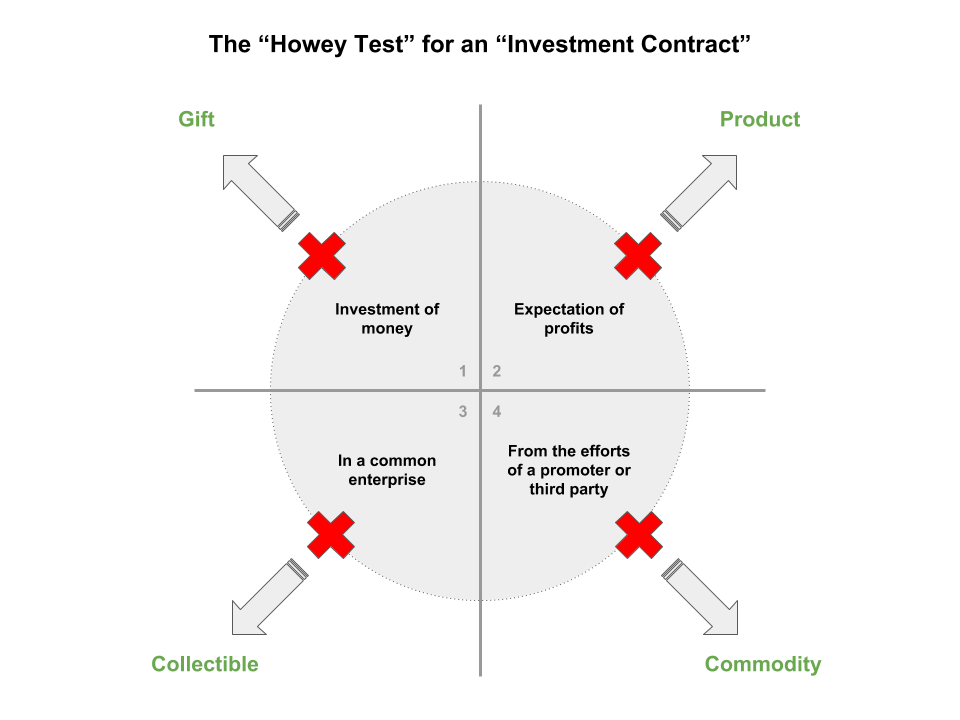
Legal teams conduct a formal "Howey analysis" to document the intent, blockchain crypto marketing strategy, and utility of the token. This documentation serves as a critical defense layer if regulators scrutinize the project, helping teams decide whether to pursue a Regulation D exemption, a Reg A+ offering, or restrict access to non-U.S. persons to mitigate domestic liability.
Smart contract auditing and liability
Code is rarely law in the eyes of a courtroom. When a smart contract is exploited or fails due to a bug, blockchain lawyers define the liability boundaries between developers, auditors, and users.
They draft "Terms of Service" and "User Agreements" that explicitly disclaim liability for immutable code execution, while also establishing "emergency pause" protocols that satisfy both technical requirements and legal fiduciary duties. By integrating legal disclaimers directly into the project documentation, counsel helps shield founders from personal liability should a protocol suffer a catastrophic loss of funds.
DAO governance and entity structuring
Operating a Decentralized Autonomous Organization (DAO) without a legal wrapper leaves participants personally liable for the organization's debts and actions. Lawyers guide founders through the process of wrapping a DAO in a legal entity, such as a Wyoming DAO LLC, a Marshall Islands Foundation, or a Swiss Association.
This structuring provides a "corporate veil" that separates the DAO's treasury and operations from the personal assets of its token holders. Counsel assesses the trade-offs between these jurisdictions, specifically focusing on tax transparency, reporting requirements, and the ability to enter into real-world contracts with centralized vendors or service providers.
Red flags when vetting blockchain lawyers
Not every attorney who lists "Web3" or "DeFi" on their website possesses the technical competence required to navigate complex regulatory frameworks. When vetting potential legal counsel, prioritize firms that demonstrate deep familiarity with the intersection of securities law, tax code, and decentralized protocol architecture.
Avoid practitioners who rely solely on buzzwords without explaining the underlying legal mechanics of your specific project.
The danger of "crypto-friendly" marketing
Many firms use "crypto-friendly" as a marketing hook to attract high-net-worth clients, yet they lack the specific experience required to handle SEC inquiries, CFTC registrations, or complex smart contract audits. A firm that claims expertise but cannot cite specific precedents or regulatory filings they have managed is a significant red flag.
To verify a firm's track record, perform the following due diligence:
- Search Public Filings: Use databases like PACER (Public Access to Court Electronic Records) to search for the firm’s name in cases involving digital asset litigation. Look for filings related to token offerings, exchange disputes, or regulatory enforcement actions.
- Review Past Case History: Ask for a list of representative matters. A qualified blockchain lawyer should be able to discuss their involvement in specific scenarios, such as drafting SAFT (Simple Agreement for Future Tokens) documents, managing DAO governance disputes, or navigating cross-border AML/KYC compliance.
- Check Regulatory Engagement: Inquire if the firm has experience interacting directly with regulatory bodies like the SEC, FinCEN, or the New York Department of Financial Services (NYDFS). A lawyer who has successfully guided a client through a "no-action" letter process or a registration exemption holds significantly more value than one who only provides general advice.
If a firm refuses to provide redacted examples of their work or cannot explain the difference between a utility token and a security under the Howey Test, move on. True experts in this space are transparent about their limitations and will often be the first to tell you if a specific business model is fundamentally non-compliant under current jurisdictional standards.
When to engage counsel in your project lifecycle
Waiting until a regulatory inquiry arrives is a common mistake that often leads to project collapse. Engaging blockchain lawyers early allows you to build compliance into your protocol architecture rather than retrofitting it later, which is frequently impossible once code is immutable on a public ledger.
Pre-token generation event (TGE) requirements
The TGE is the most legally sensitive phase of a Web3 project. Before you mint a single token, you must address several critical checkpoints to avoid being classified as an unregistered securities offering under the Howey Test or international equivalents like the MiCA framework in the EU.
- Tokenomics Audit: Legal counsel must review your token distribution model. If your whitepaper promises profits derived solely from the efforts of a central team, you are at high risk of being labeled a security. Lawyers help structure the token utility to emphasize functional use within the ecosystem.
- Jurisdictional Analysis: You cannot launch globally without considering local laws. Counsel will help you determine which regions to geofence. For example, offering tokens to U.S. persons without an exemption like Regulation D or Regulation S can trigger immediate SEC scrutiny.
- AML/KYC Integration: Even if your protocol is decentralized, your fundraising mechanism is not. You must implement robust Know Your Customer (KYC) and Anti-Money Laundering (AML) procedures for your private and public sales. Blockchain lawyers ensure these processes meet current Financial Action Task Force (FATF) travel rule standards.
- Smart Contract Liability: While lawyers don't write code, they should review the legal disclaimers embedded in your smart contracts. They ensure that your terms of service are clearly linked to the interface and that users acknowledge the inherent risks of decentralized finance before interacting with your liquidity pools.
Beyond the TGE, you should maintain a retainer for ongoing governance disputes and DAO structuring. As your protocol evolves, the legal definition of your token may change based on its actual use in the market. Proactive counsel provides a buffer against shifting regulatory winds, ensuring that your project remains viable as enforcement priorities evolve.
Jurisdictional arbitrage and cross-border risks
Operating a decentralized project often involves users and nodes spread across dozens of countries, each with conflicting regulatory frameworks. Blockchain lawyers are essential here because they identify where your project faces the highest risk of enforcement actions, such as those from the U.S. SEC or the EU’s MiCA regulation.
Without a clear jurisdictional strategy, your project risks being classified as an unregistered securities offering in one region while being fully compliant in another.
Choosing the right domicile for your project
Selecting a legal home for your foundation or DAO is a foundational decision that dictates your tax liability, regulatory reporting requirements, and ability to open corporate bank accounts. Each jurisdiction offers distinct trade-offs:
- Switzerland (Zug/Crypto Valley): Known for its mature legal framework and the FINMA regulatory guidelines. It is ideal for projects seeking legitimacy and clear classification of utility versus payment tokens, though it comes with high operational costs and strict AML/KYC compliance standards.
- Singapore: The Monetary Authority of Singapore (MAS) provides a sophisticated environment for digital payment token services. It is a preferred hub for projects targeting the Asian market, offering clear licensing pathways under the Payment Services Act.
- Cayman Islands: Frequently chosen for the Foundation Company structure, which allows for a decentralized governance model without traditional shareholders. It is highly efficient for tax neutrality but requires careful navigation of international substance requirements to avoid being flagged by global tax authorities.
A specialized attorney will perform a risk-benefit analysis based on your tokenomics and governance structure. They look beyond favorable tax rates to evaluate the local judiciary's understanding of smart contract enforceability.
For instance, if your project relies on automated liquidations, you need a jurisdiction that recognizes code as a binding legal agreement. Relying on general corporate counsel often leads to oversight of these crypto-specific nuances, potentially exposing your founders to personal liability in jurisdictions where the legal status of a DAO remains ambiguous.
Managing legal costs for startups
Early-stage Web3 ventures often view legal counsel as a prohibitive expense, yet failing to secure specialized blockchain lawyers early can lead to catastrophic regulatory fines or project shutdowns. To maintain a sustainable burn rate, startups should prioritize firms that offer modular service agreements rather than traditional, open-ended retainers.
Focus your budget on high-risk areas such as tokenomics design, jurisdictional compliance, and smart contract audit oversight, while handling routine corporate filings through automated legal platforms.
Fixed fees vs. hourly billing — How to negotiate transparent pricing for specific deliverables like whitepaper reviews
Hourly billing is rarely the most efficient model for startups because it incentivizes inefficiency and creates unpredictable cash flow. When engaging blockchain counsel, insist on fixed-fee arrangements for discrete deliverables.
For instance, a whitepaper review should be priced as a flat project fee based on the document's complexity and the required level of regulatory scrutiny, rather than an hourly rate that could balloon during back-and-forth revisions.
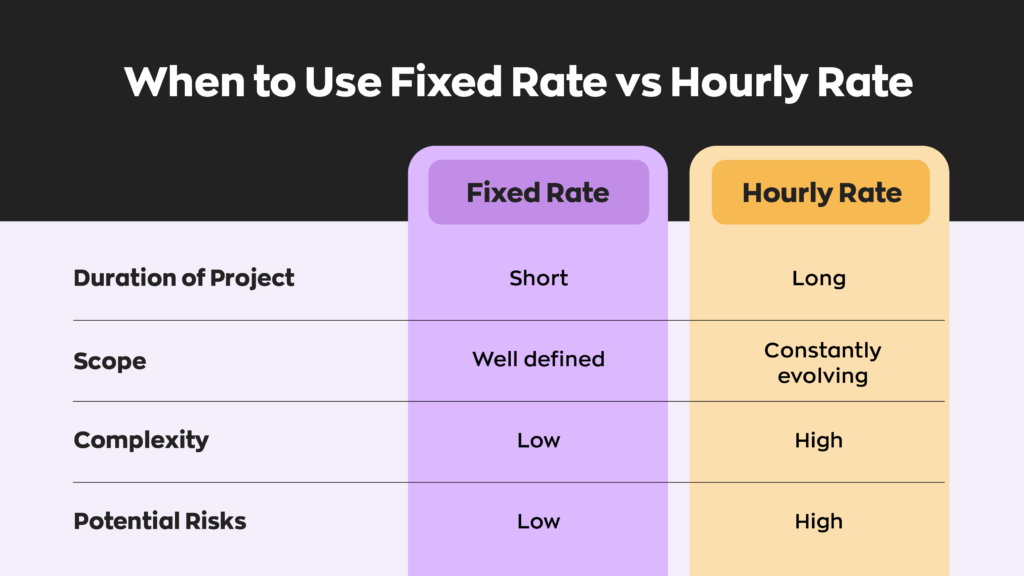
To negotiate effectively, provide your counsel with a clear scope of work before they begin. For a whitepaper, define exactly what you need: a compliance risk assessment, a review of marketing claims to avoid securities violations, or a jurisdictional analysis of where the token will be offered. By defining these boundaries, you prevent scope creep.
If a firm refuses fixed pricing for standard deliverables, it is often a signal that they lack deep experience in the sector, as specialized firms typically have standardized internal processes for these common tasks.
Consider requesting a hybrid model: fixed fees for defined milestones like whitepaper reviews or SAFT (Simple Agreement for Future Tokens) drafting, combined with a capped hourly rate for ad-hoc advisory calls. This structure ensures you have access to expert guidance without the risk of an uncapped monthly invoice. Always ask for a detailed breakdown of what the fixed fee covers, including the number of revision rounds, to ensure the final product meets your operational needs without hidden costs.
Frequently Asked Questions
Why can't my regular corporate lawyer handle Web3 matters?
Web3 involves unique legal intersections of securities law, decentralized finance (DeFi) protocols, and immutable code. Generalist lawyers often lack the technical proficiency to interpret how smart contract logic interacts with existing financial regulations, which can lead to inadvertent non-compliance.
What specific risks do blockchain lawyers help mitigate?
They focus on mitigating risks related to SEC token classification (the Howey Test), anti-money laundering (AML) requirements for decentralized exchanges, tax implications of staking rewards, and liability clauses within open-source smart contract deployments.

