
.webp)
.png)
Quantifying the value of Decentralized Identity adoption: How to build a Decentralized Identity System for enterprise
Building a decentralized identity system (DID) for enterprise shifts the cost structure of user verification from centralized database management to a cryptographic, peer-to-peer validation model. By leveraging W3C-compliant Verifiable Credentials (VCs), enterprises move away from maintaining massive, high-risk honeypots of PII (Personally Identifiable Information) and toward a model where users hold their own data.
The primary economic driver is the reduction of liability associated with central data breaches and the elimination of redundant KYC (Know Your Customer) workflows. For organizations looking to scale, understanding the broader decentralized growth building strategies is essential to ensuring adoption matches technical implementation.
Operational efficiency gains from self-sovereign verification
Calculating the reduction in manual identity proofing costs requires analyzing the current "cost-per-onboarding" metric. Traditional enterprise onboarding often involves manual document review, third-party API calls to credit bureaus, and back-office verification teams. A DID-based architecture replaces these manual touchpoints with automated cryptographic proofs.
To calculate your potential savings, use the following framework:
- Manual Verification Cost: Sum the hourly wages of compliance staff, the cost of third-party identity verification services (e.g., Onfido or Jumio), and the overhead of secure storage compliance (SOC2/GDPR).
- DID Verification Cost: Replace these with the gas fees for anchoring DIDs on a ledger (like Hyperledger Indy or Polygon ID) and the infrastructure cost of maintaining a Verifiable Data Registry (VDR).
For a mid-sized enterprise, manual verification often costs between $15 and $50 per user. Implementing a DID system can reduce this to the cost of a single blockchain transaction—typically fractions of a cent—plus the amortized cost of the credential issuance infrastructure.
The shift also reduces the "time-to-onboard" metric, which directly correlates to higher conversion rates for decentralized applications. By treating identity as a portable asset rather than a siloed database entry, enterprises eliminate the need to re-verify users across different business units, effectively turning a cost center into a reusable digital asset.
Cost drivers when you build a decentralized identity system for enterprise
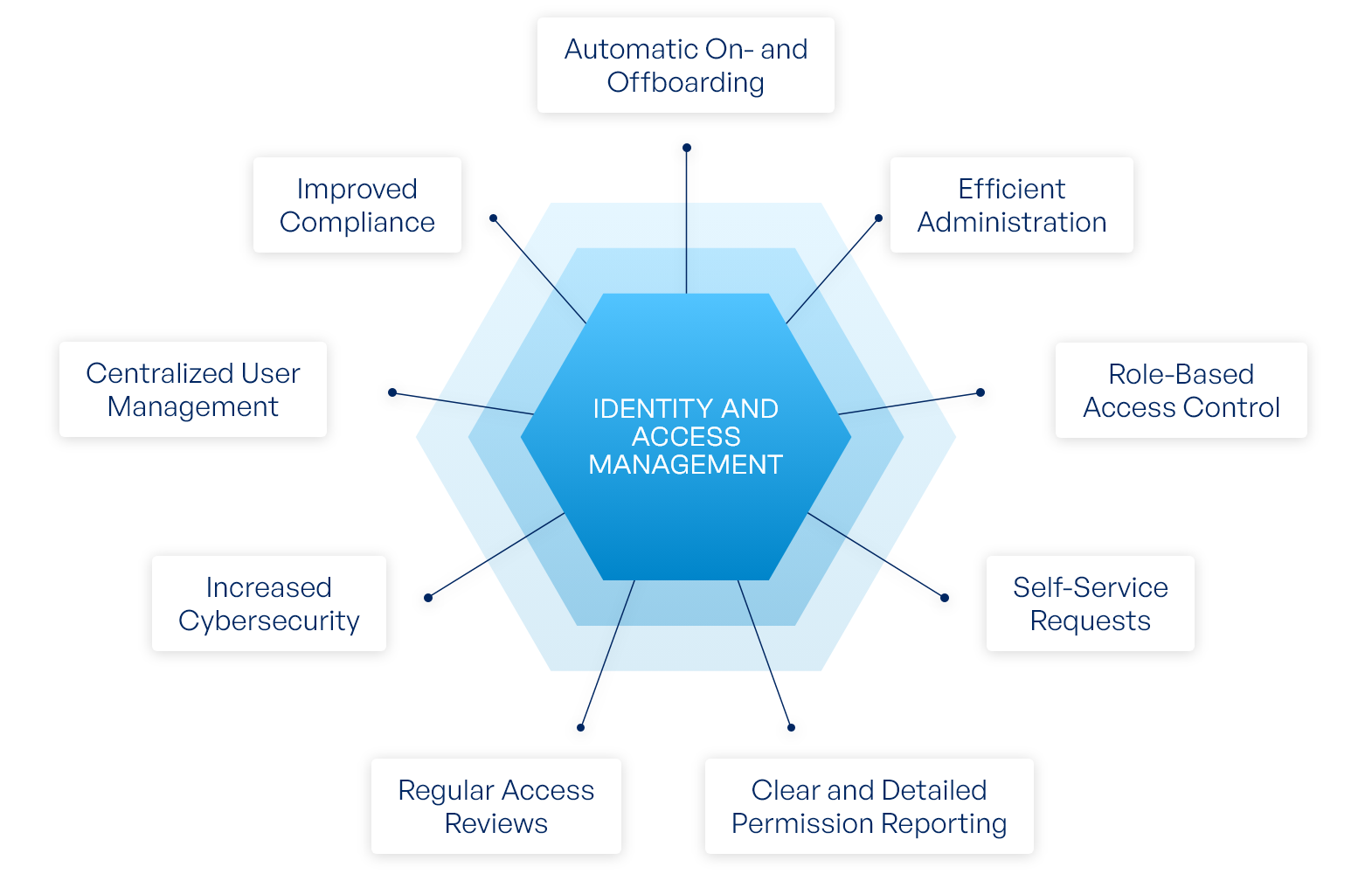
Deploying a decentralized identity (DID) architecture requires shifting from centralized licensing models to operational expenditure focused on infrastructure and interoperability. Enterprises must account for the ongoing cost of maintaining verifiable credential (VC) registries, cryptographic key management, and the integration of decentralized identifiers into legacy identity and access management (IAM) frameworks.
Infrastructure and node maintenance overhead
The primary decision involves choosing between self-hosted nodes on public or permissioned ledgers versus managed DID-as-a-Service providers. Self-hosting requires a dedicated DevOps team to manage validator nodes, handle security patches, and ensure high availability for identity verification requests.
For example, running a Hyperledger Indy or Aries node involves significant cloud compute costs and specialized engineering salaries, often exceeding $150,000 annually for a robust, redundant setup. Conversely, managed services like Microsoft Entra Verified ID or SpruceID offer predictable subscription pricing. While these services reduce the burden of node maintenance, they introduce vendor lock-in and per-transaction fees.
Enterprises must calculate the break-even point where the volume of identity verifications justifies the overhead of maintaining private infrastructure versus the recurring licensing costs of a managed platform.
Integration and middleware development expenses
Integrating DID systems into existing enterprise IAM stacks—such as Okta, Ping Identity, or Active Directory—is rarely a plug-and-play process. Most legacy systems rely on OIDC or SAML protocols, necessitating the development of custom middleware to translate decentralized verifiable credentials into tokens that legacy applications can consume.
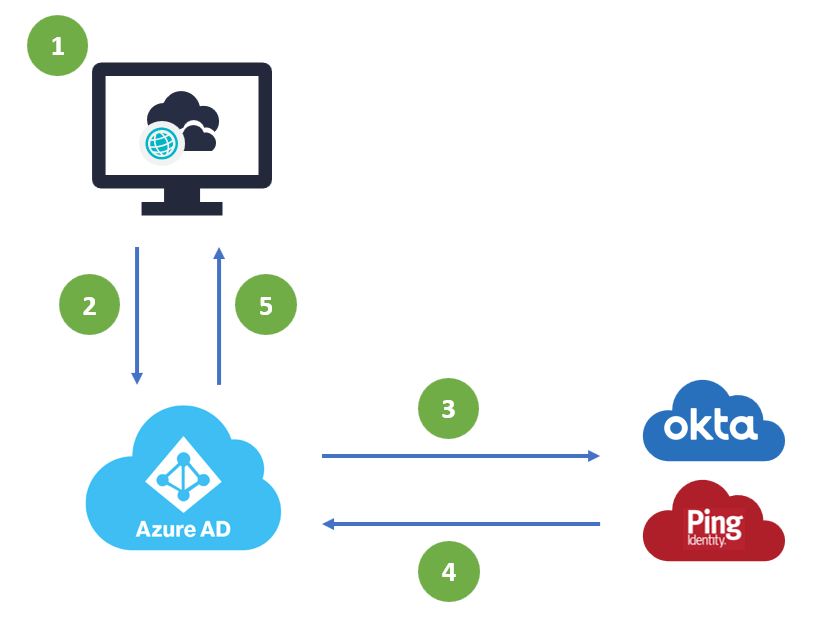
Development teams must build secure bridges between the DID wallet infrastructure and existing user directories. This technical debt includes the cost of developing SDKs for mobile wallet integration, maintaining API gateways for credential issuance, and ensuring compliance with evolving W3C standards. As these systems mature, they often integrate with broader enterprise digital marketing initiatives to personalize user experiences without compromising privacy.
Budgeting for this phase should include a 20-30% buffer for refactoring, as the lack of mature, standardized middleware often forces teams to build custom adapters for specific business units. Failure to account for these integration costs is the most frequent cause of budget overruns in decentralized identity projects.
Risk-adjusted ROI assessment
Enterprise adoption of decentralized identity (DID) shifts the security paradigm from centralized honeypots to edge-based verification. To calculate the ROI, leadership must move beyond simple cost-savings and evaluate the reduction in risk-weighted capital requirements.
Traditional identity providers (IdPs) create a single point of failure where a credential leak results in systemic account takeover. By contrast, a DID architecture using W3C-compliant Verifiable Credentials (VCs) ensures that the enterprise never holds the master database of user attributes, effectively removing the target from the attacker's perspective.
Quantifying data breach liability reduction
Actuarial modeling for cyber insurance premiums relies heavily on the 'blast radius' of potential data exposure. When an enterprise stores PII (Personally Identifiable Information) in a centralized SQL database, the liability is proportional to the total number of records held.
By implementing a decentralized identity system for enterprise, the organization minimizes the volume of sensitive data stored at rest. This transition allows risk officers to negotiate lower premiums by demonstrating a reduced 'data footprint' to insurers.
To model this impact, apply the following calculation: (Total Records x Probability of Breach x Cost per Record) - (Cost of DID Infrastructure) = Potential Risk-Adjusted Savings. In a decentralized model, the 'Cost per Record' variable drops significantly because the enterprise no longer holds the primary keys to the user's identity.
Instead, the enterprise acts as an issuer or verifier, interacting with cryptographic proofs rather than raw data. This architectural change shifts the compliance burden under frameworks like GDPR and CCPA, as the enterprise is no longer the 'data controller' in the traditional sense for the attributes it verifies.
Beyond insurance, consider the operational cost of identity proofing. Centralized systems require manual audit trails and constant database patching to prevent unauthorized access. DID systems leverage blockchain-based public keys for verification, which are immutable and tamper-evident.
The ROI here is realized through the elimination of manual identity verification workflows and the reduction of help-desk tickets related to account recovery, which typically account for 20-50% of IT support volume in large organizations. For those managing these systems, understanding reputation systems in web3 is vital for verifying the trustworthiness of credentials in a trustless environment.
Phased implementation and capital allocation
Enterprises should treat decentralized identity deployment as a multi-stage capital expenditure rather than a single software procurement. Initial costs are heavily weighted toward infrastructure setup, specifically the deployment of identity hubs and the integration of existing public key infrastructure (PKI) with blockchain-based resolvers.
Organizations typically allocate 60% of the initial budget to security auditing and interoperability testing, ensuring that the DID framework complies with W3C standards like Decentralized Identifiers v1.0.
Pilot project budgeting versus full-scale rollout
The transition from a pilot to a production environment hinges on verifiable credential (VC) issuance volume. During the pilot phase, focus capital on a closed-loop ecosystem—such as internal employee credentialing—to minimize external regulatory friction.
Budgeting for this stage should prioritize licensing for DID-compliant middleware providers like Hyperledger Aries or Microsoft Entra Verified ID, rather than building proprietary blockchain nodes from scratch. Scaling beyond the pilot requires a shift in capital allocation toward high-availability infrastructure.
Once issuance volume exceeds 10,000 credentials per month, the cost structure shifts from software licensing to operational expenses, specifically cloud-based node hosting and transaction fees on the underlying ledger (e.g., Ethereum or Polygon). Enterprises must establish a threshold for scaling that accounts for the cost-per-credential.
If the cost to maintain the DID resolver exceeds the operational savings gained from reduced identity fraud and streamlined onboarding, the system requires architectural optimization before further rollout. Avoid the common pitfall of over-investing in custom smart contract development.
Instead, allocate funds toward robust API gateways that allow legacy identity providers (IdPs) to communicate with the DID network. This approach protects existing investments in Active Directory or Okta while enabling the gradual adoption of decentralized authentication. By measuring the reduction in help-desk tickets related to password resets and credential verification, finance teams can justify the transition from pilot budgets to permanent operational funding.
Strategic trade-offs in vendor selection
Selecting the right infrastructure for decentralized identity requires balancing immediate deployment speed against long-term operational autonomy. Enterprises must choose between established Decentralized Identity (DID) providers, such as Microsoft Entra Verified ID or Ping Identity, and building a proprietary stack using open-source frameworks like Hyperledger Aries or DIF (Decentralized Identity Foundation) protocols.
Vendor lock-in versus custom development costs
The total cost of ownership (TCO) for a decentralized identity system varies significantly based on your integration strategy. SaaS identity providers offer rapid time-to-market by abstracting the complexities of cryptographic key management, ledger interaction, and credential schema governance. However, this convenience introduces vendor lock-in.
If a provider changes their pricing model or deprecates support for specific W3C standards, your organization faces high migration costs and potential service disruption. Conversely, custom development using open-source libraries provides full control over data sovereignty and architectural roadmap.
While this eliminates licensing fees, it shifts the burden of maintenance to your internal engineering team. You must account for the high cost of specialized talent required to manage distributed ledger nodes, handle secure key rotation, and ensure compliance with evolving privacy regulations like GDPR or eIDAS 2.0.
For most enterprises, the "build" route is only economically viable if identity is a core product differentiator rather than a supporting utility. When evaluating vendors, prioritize those that support interoperability standards. Developing a strong crypto brand identity is also crucial when positioning these new identity solutions to privacy-conscious users.
A system built on proprietary protocols will inevitably require a complete rebuild to communicate with external ecosystems. Look for tools that explicitly support:
- W3C Verifiable Credentials (VC) data models.
- DID Resolution protocols for multi-ledger support.
- OpenID for Verifiable Credentials (OID4VC) for seamless integration with existing OIDC-based applications.
By focusing on standard-compliant vendors, you mitigate the risk of technical debt while maintaining the flexibility to switch providers or transition to a hybrid model as your decentralized identity requirements mature. Furthermore, keeping up with rarimo raises identity funding news can provide insights into how the market is evolving toward more efficient zero-knowledge verification methods.
Frequently Asked Questions
Primary cost drivers in decentralized identity architecture
The primary costs include infrastructure integration with existing IAM (Identity and Access Management) stacks, development of W3C-compliant credential schemas, and the ongoing maintenance of node infrastructure or gas fees if using public blockchain ledgers.
Calculation methodology for decentralized identity ROI versus traditional SSO
ROI is measured by calculating the reduction in manual identity verification costs, the decrease in data breach liability through self-sovereign data storage, and the acceleration of onboarding workflows for B2B partners.
- Financial framework for Decentralized Identity Implementation Guide
- Financial evaluation framework for the best Decentralized Identity software development kits
- Financial evaluation of Decentralized Identity vs Traditional Identity Management
- Financial modeling for W3C decentralized identifiers standard explained

