
.webp)
.png)
Scope and composition of the BingX supported cryptocurrencies list
BingX currently supports over 700 digital assets, positioning itself as a high-volume platform for both mainstream coins and emerging altcoins. The exchange frequently updates its listings to include trending tokens, often prioritizing assets with high social sentiment or specific utility within the decentralized finance (DeFi) ecosystem.
Traders utilize this extensive catalog to access liquidity for both established market leaders like Bitcoin and Ethereum and micro-cap projects that may not yet be available on more conservative, legacy exchanges. If you are looking for a deeper dive into the platform's capabilities, our BingX crypto exchange review provides a comprehensive look at its operational strengths.
Differentiating Spot vs. Futures market offerings

The BingX supported cryptocurrencies list is not uniform across all trading products. While the spot market allows for the direct purchase and holding of hundreds of tokens, the futures market operates under different risk management parameters.
BingX typically restricts its perpetual futures offerings to assets with higher liquidity and lower volatility to protect against market manipulation. Consequently, you will find a broader selection of speculative, low-cap tokens in the spot market, whereas the futures section remains focused on established assets with proven trading volume. Always check the specific trading interface, as an asset available for spot trading may not necessarily support leverage or margin trading.
Comparative analysis of asset counts against major exchanges
When benchmarked against industry leaders, BingX sits in a competitive middle ground. While platforms like Binance or Gate.io often boast a higher total count of listed assets, BingX focuses on a curated selection that balances quantity with operational stability.
For instance, whereas a decentralized exchange (DEX) like Uniswap offers virtually unlimited access to any token minted on a supported blockchain, BingX acts as a centralized gatekeeper. This means the exchange performs internal due diligence before adding a token to its list. While this provides a layer of security by filtering out obvious scams or abandoned projects, it also means that the most speculative 'meme' coins may take longer to appear on BingX compared to decentralized alternatives or exchanges with more aggressive listing policies.
Evaluating liquidity and trading pairs beyond raw quantity
While the BingX supported cryptocurrencies list boasts hundreds of assets, the sheer number of tokens is less critical than the market depth available for your specific trading volume. High-volume assets like BTC/USDT or ETH/USDT typically maintain tight spreads, but smaller-cap altcoins often experience significant slippage during periods of high volatility.
Before committing capital, examine the order book depth to ensure that your entry and exit points will not be negatively impacted by thin liquidity.
Assessing liquidity depth for key cryptocurrencies
To gauge liquidity on BingX, look beyond the 24-hour volume figure, which can be misleading due to wash trading or automated market making. Instead, open the advanced trading interface and observe the order book's 'depth'—the volume of buy and sell orders sitting at various price levels away from the current mid-price.
If you notice large gaps between these orders, the asset is prone to slippage. For larger positions, use the 'Limit' order type rather than 'Market' orders to prevent your trade from sweeping through multiple price levels, which effectively increases your cost basis.
Strategic importance of trading pair availability
Your trading strategy relies heavily on the specific quote currencies available for your chosen assets. BingX primarily utilizes USDT as the standard quote currency for its spot and perpetual futures markets, which simplifies cross-asset management but limits direct trading between altcoins. For those interested in automated strategies, understanding the BingX copy trading review is essential to see how pair availability impacts your ability to mirror successful lead traders.
If you are executing a hedging strategy that requires moving between two non-stablecoin assets, you will likely need to route through a USDT pair. This adds an extra transaction step and potential exposure to the USDT/USD peg fluctuations.
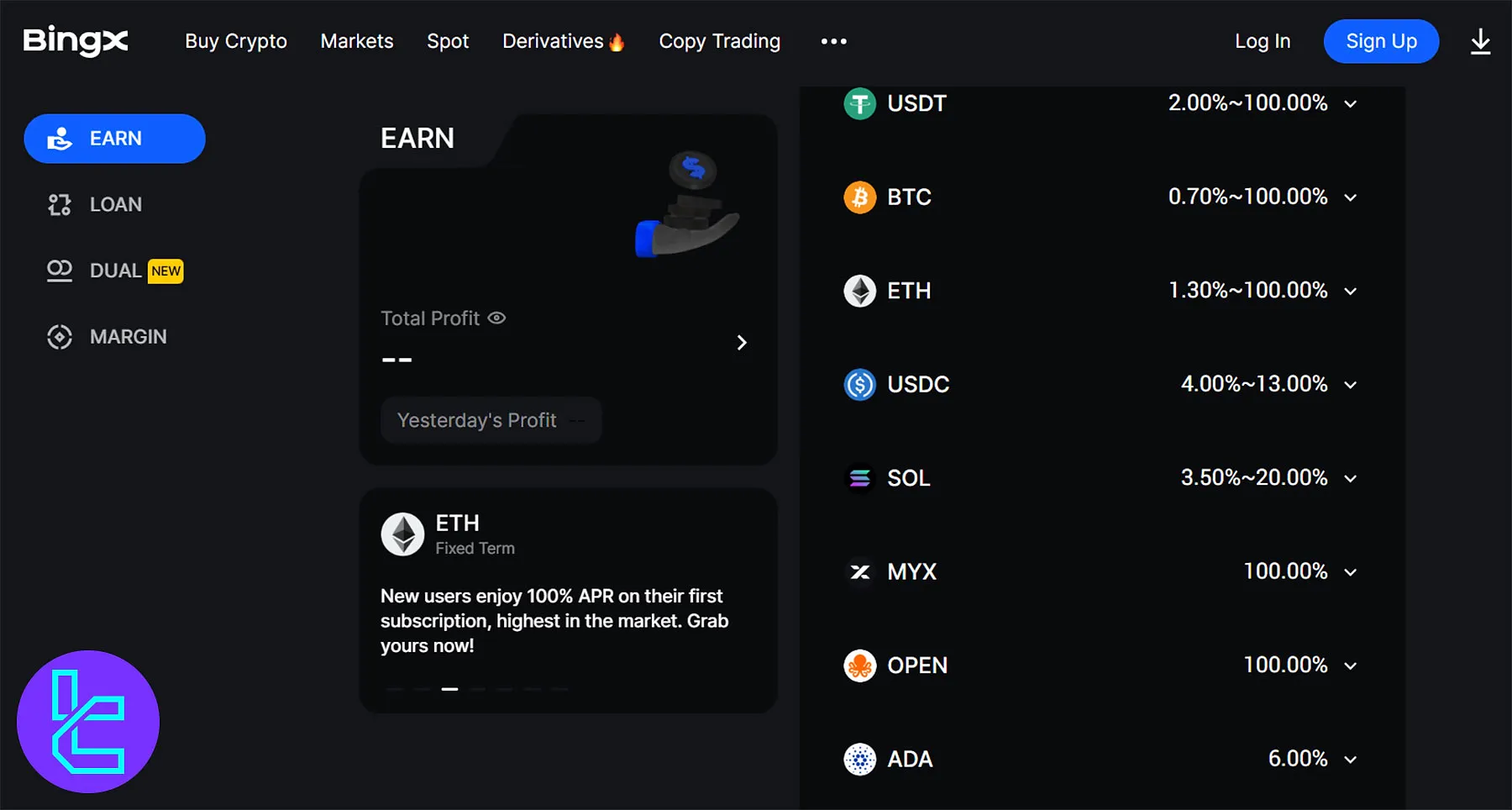
Furthermore, the availability of specific pairs determines your ability to leverage 'Copy Trading' features effectively. If a lead trader utilizes a pair not supported in your specific region or account tier, you cannot mirror their performance. Always verify the specific pair availability in the 'Markets' tab before finalizing your portfolio allocation, as not every asset on the platform is available for both spot trading and leveraged derivatives.
Practical limitations and unstated realities of asset offerings
While the BingX supported cryptocurrencies list appears extensive, the availability of these assets is rarely uniform for every user. Access is filtered through a complex layer of regional compliance, liquidity requirements, and internal risk management policies that often restrict the actual tradeable universe for individual accounts.
Geographical restrictions and regulatory impact on asset access
Your physical location serves as the primary filter for which assets you can interact with on the platform. Even if a token is technically supported by the exchange's infrastructure, local financial regulations in jurisdictions like the United States, United Kingdom, or various EU member states can trigger automatic geofencing.
This means specific high-volatility tokens or certain derivative products linked to those assets may be hidden or disabled in your interface. Regulatory bodies often categorize assets differently; for instance, some tokens classified as securities in one region remain fully tradable in others.
BingX must comply with these local mandates to maintain its operating licenses. Consequently, users in highly regulated markets often find their access limited to a 'lite' version of the platform's full catalog, regardless of what is advertised on the global site.
Dynamic nature of listings including delisting risks and additions
The BingX supported cryptocurrencies list is in a state of constant flux. New assets are added frequently, often following trends in decentralized finance or meme coin cycles, but this rapid expansion carries inherent risks. Assets with low trading volume or those failing to meet updated security audits are frequently flagged for delisting.
When an asset is delisted, BingX typically provides a notice period, but the liquidity for that token often evaporates long before the final deadline. If you hold a token marked for removal, you face the risk of 'slippage'—where the price drops significantly as other traders rush to sell, making it difficult to exit your position at a fair market value.
It is essential to monitor the platform’s official announcements section regularly, as relying solely on your portfolio dashboard can leave you exposed to sudden liquidity crunches during these transition periods.
Verification methods for the current BingX supported cryptocurrencies list
The BingX supported cryptocurrencies list is dynamic, reflecting the exchange's strategy to balance liquidity with emerging market trends. Relying on third-party aggregators can lead to outdated information, as exchanges frequently adjust trading pairs based on regulatory compliance and volume requirements. To ensure accuracy, you must utilize the platform’s native tools.
Navigating the platform for official asset information
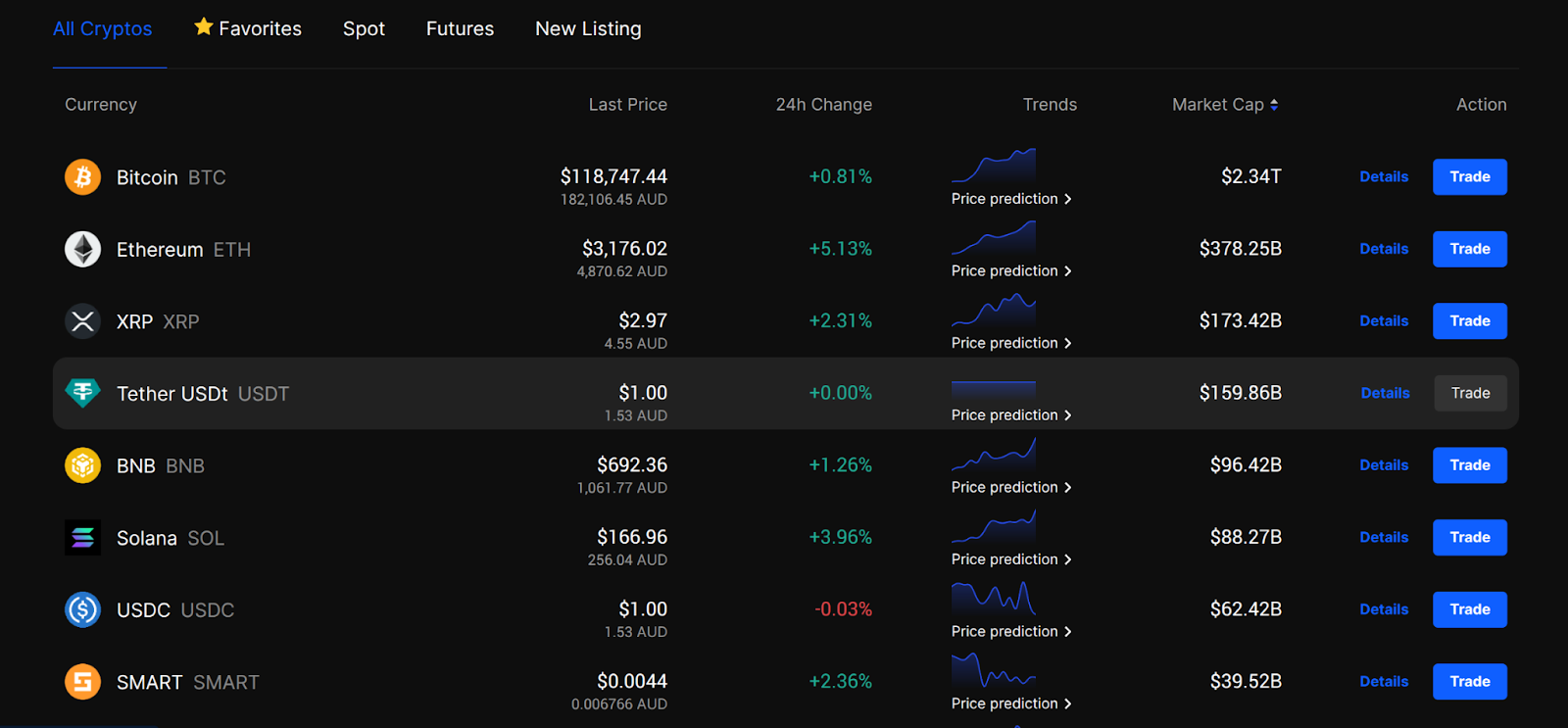
The most reliable way to confirm if a token is supported is through the BingX Market page. Follow these steps to access real-time data:
- Log in to your BingX account and navigate to the 'Markets' tab located in the top navigation bar.
- Use the search bar to input the ticker symbol or the full name of the cryptocurrency.
- Filter by 'Spot' or 'Derivatives' to see if the asset is available for your intended trading activity.
- Check the 'Info' section of a specific trading pair to view the contract details, which confirms that the asset is currently active and supported by the exchange’s liquidity providers.
If you are looking for a comprehensive overview of all assets, the 'Fees' page often serves as a hidden directory. By reviewing the fee schedule, you can see a categorized list of all tokens currently enabled for crypto deposits, withdrawals, and trading, which is often more accurate than promotional landing pages.
Leveraging official announcements and support channels
Exchange listings and delistings occur frequently. To stay ahead of these changes, monitor the official BingX 'Announcements' center, which is accessible directly from the footer of the homepage. This section provides the primary source of truth regarding new asset additions, including the specific time trading commences and which network standards (such as ERC-20 or BEP-20) are supported for deposits.
For urgent inquiries, the BingX 24/7 live chat support is the most efficient channel. Rather than searching through community forums, which may contain misinformation, initiate a chat session and ask specifically about the status of a token. Support agents have access to the internal backend system and can confirm if a specific coin is currently experiencing maintenance or if it has been permanently delisted. Always verify these details before initiating a transfer to avoid sending funds to an unsupported contract address.
Strategic considerations for traders utilizing the asset portfolio
Selecting an exchange based solely on the volume of available tokens often leads to poor execution. While the BingX supported cryptocurrencies list covers a broad spectrum of market caps, your strategy must align with the liquidity and volatility profiles of these specific assets. Traders should prioritize assets that maintain consistent order book depth to avoid excessive slippage during high-volatility events.
Suitability of asset selection for specific trading styles
BingX excels for traders who focus on mid-cap altcoins and emerging projects that may not yet be listed on more conservative, legacy exchanges. If your strategy involves catching momentum in the early stages of a project's lifecycle, the platform's rapid listing pace provides a distinct advantage. For those interested in more advanced derivatives, our guide on cryptocurrency cfd trading offers insights into how these instruments function within a modern exchange environment.
This is particularly useful for scalpers who rely on the high volatility inherent in newer, lower-market-cap tokens. Conversely, for institutional-grade strategies requiring high-frequency trading of major pairs like BTC/USDT or ETH/USDT, the platform offers robust infrastructure that handles significant volume without compromising execution speed.
Diversification and risk management with supported assets
Building a resilient portfolio requires moving beyond the top five market-cap coins. BingX allows for granular diversification by offering access to various sectors, including decentralized finance (DeFi), gaming tokens, and infrastructure-focused assets. If you are looking to optimize your own project's visibility, consider exploring professional defi token listing strategies to reach a wider audience.
To manage risk effectively, categorize your holdings by their underlying utility and correlation to Bitcoin. If your portfolio is heavily weighted toward high-beta assets—those that swing more violently than the broader market—use the platform's stop-loss and take-profit features to automate exit points.
Avoid the temptation to over-allocate to speculative micro-caps simply because they are available. Instead, maintain a core position in established assets while using a smaller, defined percentage of your capital for the more volatile listings found within the BingX ecosystem. Always monitor the platform's delisting announcements, as the exchange periodically removes assets that fail to meet their liquidity or regulatory standards, which can impact your long-term holding strategy. For those concerned about asset safety, reviewing BingX security features explained is a prudent step for any serious trader.
Frequently Asked Questions
How often is the BingX supported cryptocurrencies list updated?
BingX updates its asset list regularly to include new tokens based on market demand and internal security audits. Users should check the official 'Announcements' section for the most current information on new listings.
Are all assets on the list available for both spot and futures trading?
No, asset availability differs by product. While many tokens are available for spot trading, the futures market is restricted to assets with higher liquidity and lower volatility to mitigate risk.
Why might a token be visible on the platform but unavailable for me to trade?
Geographical restrictions and local regulatory compliance often dictate which assets are available in your specific region. If a token is not compliant with local laws in your jurisdiction, it may be hidden or disabled in your account interface.
How can I verify if a specific token is currently supported for deposit?
You can verify support by checking the 'Deposit' page within your account, which lists all currently enabled networks and tokens. Always ensure you select the correct network to avoid permanent loss of funds.

