
.webp)

Shifting financial models for digital identity
Enterprise adoption of decentralized identity (DID) is moving away from traditional, opaque licensing structures toward transparent, utility-driven cost models. Organizations are re-evaluating their identity infrastructure as they shift from centralized identity providers (IdPs) that charge per-user, per-month fees to decentralized frameworks that leverage verifiable credentials and blockchain-based registries.
This transition requires a granular decentralized identity implementation guide to account for infrastructure maintenance, cryptographic proof generation, and the inherent volatility of network transaction fees.
Transitioning from subscription to transaction-based pricing
The legacy model of identity management relies on predictable but often expensive annual subscriptions. In contrast, decentralized identity architectures typically operate on a pay-as-you-go basis, where costs are tied to specific events such as issuing a credential, verifying a claim, or anchoring a DID document to a ledger. This shift fundamentally changes how IT budgets are allocated.
In a transaction-based model, enterprises must account for the following variables:
- Gas fees: When using public ledgers like Ethereum or Polygon, every on-chain interaction incurs a gas fee. During periods of high network congestion, these costs can spike, making it difficult to forecast operational expenses without a middleware layer to batch transactions or utilize Layer-2 scaling solutions.
- Verification node costs: Running a private or permissioned node to validate credentials ensures data sovereignty and faster response times. However, this introduces fixed capital expenditures for server hardware and ongoing operational costs for node maintenance and security patching.
- Credential lifecycle management: Unlike a static user license, decentralized identity requires managing the revocation status of credentials. Checking a revocation registry—often via a Merkle tree or a distributed hash table—incurs compute and bandwidth costs every time a user authenticates, which scales linearly with the number of verification requests.
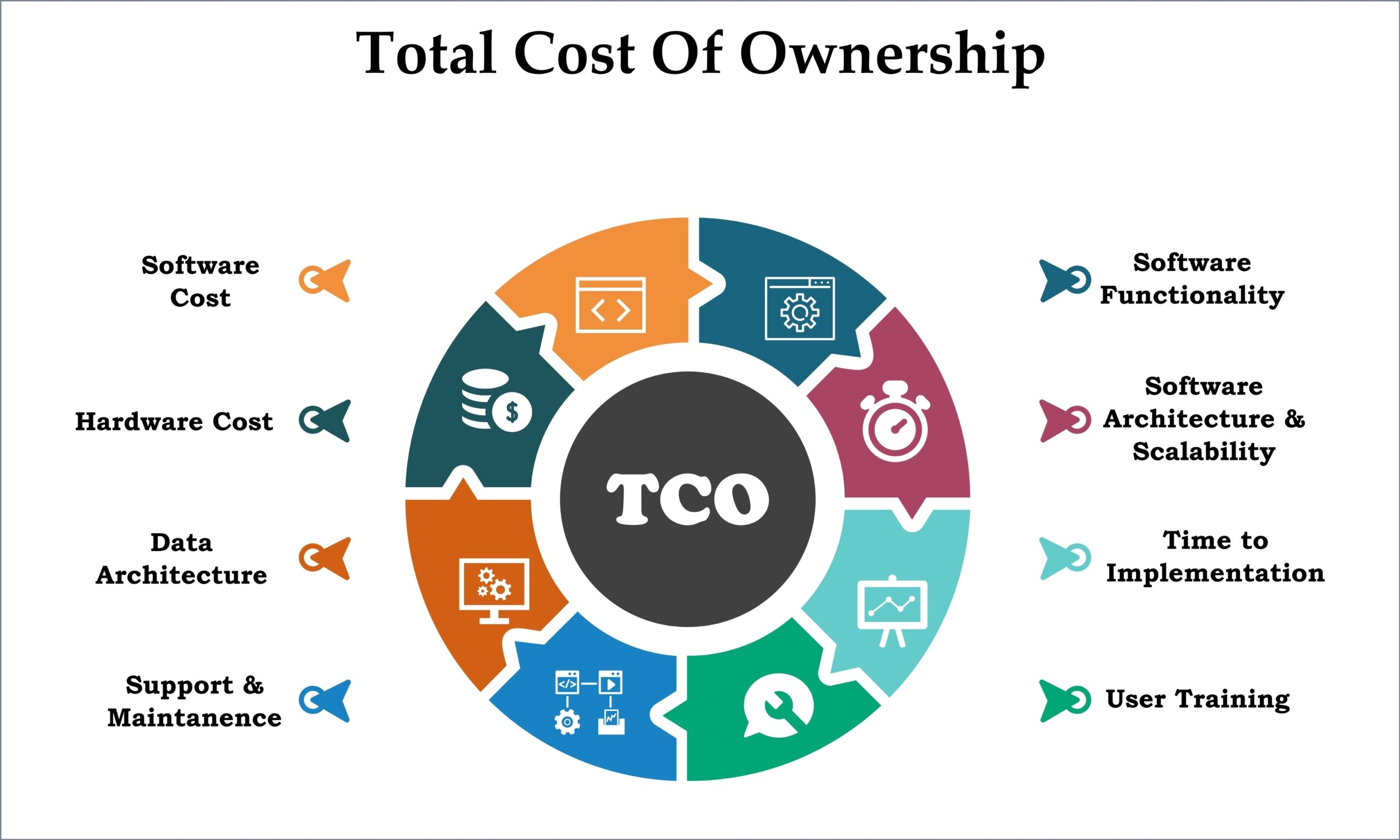
Organizations that successfully transition to this model often find that while the overhead of managing the underlying infrastructure increases, the total cost of ownership (TCO) drops significantly once the system scales beyond a few thousand users. By eliminating the "per-seat" tax imposed by centralized vendors, companies gain greater control over their identity stack, provided they have the technical expertise to manage the underlying cryptographic protocols.
Components of decentralized identity cost analysis
Enterprise adoption of decentralized identity (DID) requires a granular breakdown of expenditures beyond simple software licensing. Organizations must account for both fixed infrastructure investments and variable operational costs tied to blockchain interactions.
A comprehensive decentralized identity cost analysis balances the upfront capital expenditure of setting up a private or permissioned ledger against the ongoing operational expenses of managing digital wallets and credential lifecycles.
Infrastructure and node maintenance requirements
Hosting identity anchors necessitates robust infrastructure to ensure high availability and data integrity. Enterprises typically choose between running their own validator nodes or utilizing managed blockchain-as-a-service (BaaS) providers like Amazon Managed Blockchain or Microsoft Azure Blockchain.

Self-hosting requires significant investment in high-performance cloud instances, dedicated storage for ledger synchronization, and specialized DevOps personnel to manage security patches and node uptime. For instance, a medium-sized enterprise might expect monthly cloud infrastructure costs ranging from $500 to $2,500 per node, depending on the throughput requirements and redundancy levels needed for identity verification services.
Credential issuance and verification overhead
The variable cost component is driven by the volume of verifiable credentials (VCs) issued and verified on-chain. Each issuance event typically incurs a gas fee or a network transaction fee, which fluctuates based on network congestion and the underlying protocol's architecture.
For example, using a public layer-1 blockchain for anchoring identity proofs can lead to unpredictable spikes in transaction costs during peak network activity. Conversely, layer-2 solutions or sidechains significantly reduce the cost per transaction, often bringing the expense down to fractions of a cent per credential.
Organizations must also factor in the software overhead for maintaining an issuer agent, which handles the cryptographic signing of credentials. When performing a cost analysis, enterprises should calculate the total cost of ownership (TCO) by multiplying the projected annual issuance volume by the average transaction fee, then adding the fixed costs of the issuer agent's API and hosting environment. This calculation often reveals that high-volume use cases require a shift toward zero-knowledge proof (ZKP) architectures, which minimize on-chain data storage and reduce recurring transaction fees.
Operational trade-offs in decentralized identity
Enterprise adoption of decentralized identity (DID) often focuses on initial integration fees, yet the true financial burden lies in ongoing maintenance. Organizations must account for the infrastructure required to host verifiable data registries and the persistent costs associated with maintaining nodes on public or permissioned ledgers.
Unlike centralized identity providers that bundle support and uptime into a flat subscription, decentralized models shift the burden of availability and security directly to the enterprise IT stack.
Managing the lifecycle of decentralized identifiers
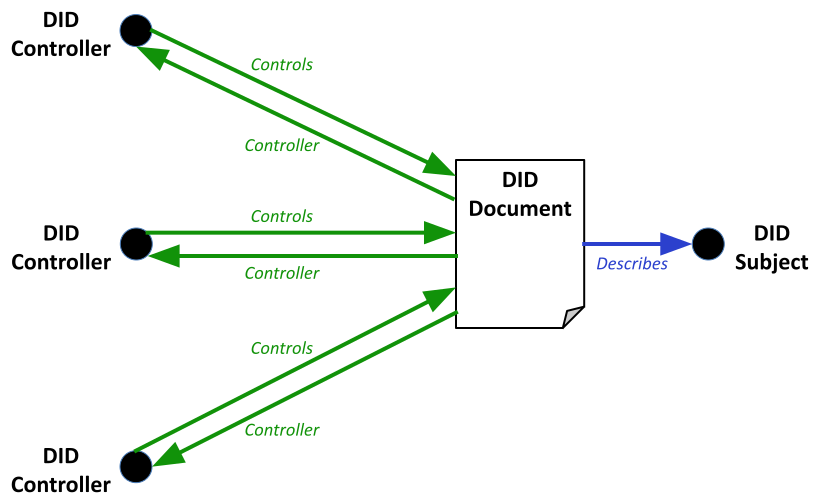
The long-term cost of decentralized identity cost analysis hinges on the complexity of identity protocols. Every DID requires a corresponding DID Document stored on a ledger. When a credential is compromised or an employee leaves, the system must trigger a revocation process.
If the chosen architecture relies on high-frequency on-chain transactions to update status lists, gas fees or network transaction costs can scale linearly with the size of the workforce.
Key operational cost drivers include:
- Rotation overhead: Regularly rotating private keys to maintain security requires automated orchestration. If your identity management platform lacks native support for automated key rotation, manual intervention increases labor costs significantly.
- Recovery mechanisms: Implementing social recovery or multi-signature schemes for lost credentials adds a layer of development complexity. Building these workflows requires specialized engineering hours that often exceed the cost of traditional password reset systems.
- Registry synchronization: Maintaining consistency between off-chain W3C verifiable credentials and on-chain revocation registries creates a persistent data synchronization requirement. This necessitates dedicated middleware, which adds to your cloud infrastructure bill.
Enterprises often underestimate the cost of maintaining the 'trust anchor.' If you operate your own node to ensure high availability for identity verification, you are responsible for the hardware, security patching, and uptime monitoring. While this provides greater control, it replaces predictable SaaS licensing fees with variable operational expenses that fluctuate based on transaction volume and network congestion.
Benchmarking decentralized identity cost analysis against legacy systems
Transitioning from centralized identity providers (IdPs) like Okta or Azure AD to decentralized identity (DID) frameworks requires a shift in financial modeling. While legacy systems rely on per-user licensing fees and recurring maintenance contracts, decentralized identity cost analysis focuses on infrastructure overhead, credential issuance, and verification nodes.
Enterprises often find that while initial integration costs are higher due to the lack of off-the-shelf maturity, the long-term reduction in data storage liability significantly alters the balance sheet. Understanding the decentralized identity vs traditional identity management landscape is crucial for stakeholders.
Quantifying security and fraud reduction savings
The most substantial financial benefit of decentralized identity lies in the mitigation of centralized honeypots. In a traditional model, a breach of the central database exposes the entire user base, leading to remediation costs that average $4.45 million per incident according to recent industry benchmarks.
By moving to a self-sovereign model, the enterprise no longer acts as the custodian of sensitive PII (Personally Identifiable Information). This structural change reduces the scope of compliance audits under GDPR compliance and CCPA, effectively lowering the cost of regulatory adherence.
To calculate the ROI of this security shift, firms should apply the following metrics:
- Liability Reduction: Estimate the potential legal and reputational costs of a centralized database breach, weighted by the probability of occurrence.
- Credential Verification Efficiency: Compare the cost of manual identity proofing against the automated, cryptographic verification of Verifiable Credentials (VCs).
- Support Overhead: Factor in the reduction of help-desk tickets related to password resets and account recovery, which are handled locally by the user in a DID architecture.
While legacy systems offer predictable subscription costs, they carry hidden "debt" in the form of security hardening and insurance premiums. Decentralized systems shift these costs toward upfront development and node management. For enterprises with high-volume identity verification needs, the transition often pays for itself by eliminating the per-transaction fees associated with third-party identity verification services, as the user now carries their own verified claims.
Future-proofing identity budgets
Enterprise leaders must move beyond initial pilot costs to account for long-term operational sustainability. A decentralized identity cost analysis reveals that the primary expense shifts from upfront integration to ongoing transaction fees and node maintenance.
To maintain a predictable budget, organizations should prioritize interoperable standards like W3C Verifiable Credentials, which prevent vendor lock-in and allow for seamless migration between infrastructure providers as market pricing evolves. Leaders should also explore best decentralized identity software development kits to accelerate their deployment.
Selecting scalable layer-2 solutions for identity
High gas fees on primary blockchains often render decentralized identity systems prohibitively expensive for high-frequency verification tasks. Layer-2 (L2) solutions, such as Polygon ID or Optimism-based identity stacks, mitigate these costs by batching thousands of identity proofs into a single on-chain transaction.
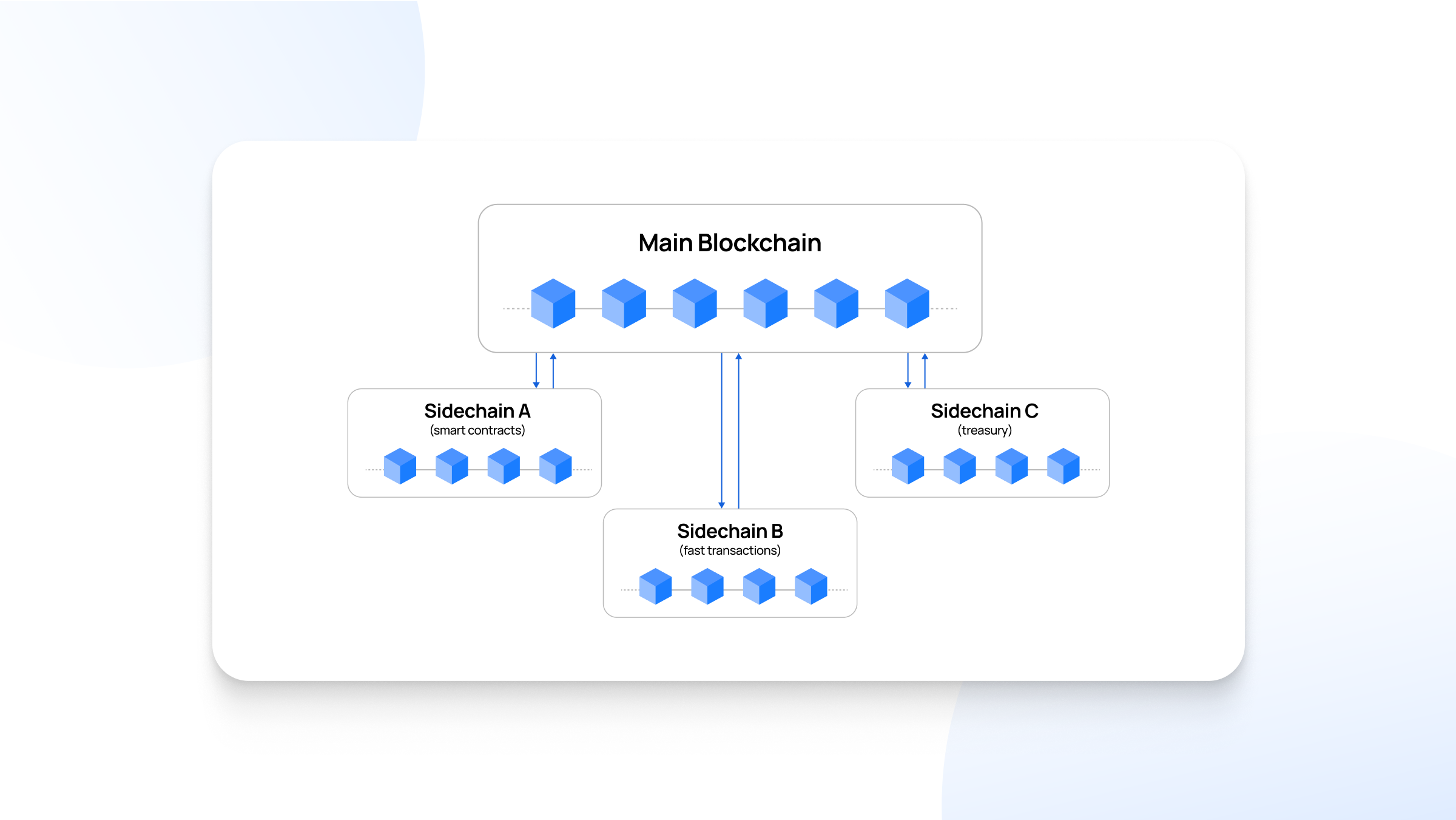
By offloading the computational weight from the mainnet, enterprises can reduce their per-verification cost by up to 90% while maintaining the security guarantees of the underlying blockchain.
When evaluating L2 providers, focus on the following cost-efficiency metrics:
- Transaction Throughput: Ensure the network supports high-volume issuance without triggering fee spikes during congestion.
- Bridge Costs: Calculate the capital expenditure required to move assets or identity data between the L1 and L2 layers.
- Validator Decentralization: Assess the trade-off between lower costs and the risk of centralization, which could impact the long-term reliability of your identity infrastructure.
Adopting an L2-first strategy allows firms to scale their identity ecosystems linearly rather than exponentially. By decoupling the identity logic from the base layer, organizations gain the flexibility to switch between L2 networks if one provider increases fees or experiences downtime. This architectural modularity serves as the most effective hedge against the volatility inherent in decentralized identity cost analysis, ensuring that identity management remains a manageable line item rather than a variable financial risk.
Frequently Asked Questions
Primary drivers of decentralized identity costs for enterprises
Primary costs include initial integration with legacy IAM systems, ongoing credential issuance fees, node maintenance for distributed ledgers, and the specialized talent required to manage cryptographic key lifecycles. For those planning their roadmap, learning how to build a decentralized identity system for enterprise is a critical first step.
Impact of decentralized identity on traditional compliance budgets
It shifts the budget from centralized database security and manual verification processes toward automated, verifiable credential workflows, which can reduce long-term audit overhead but increase initial technical debt.
- Financial framework for Decentralized Identity Implementation Guide
- Economic evaluation of how to build a Decentralized Identity System for enterprise
- Financial evaluation framework for the best Decentralized Identity software development kits
- Financial evaluation of Decentralized Identity vs Traditional Identity Management

