
.webp)
.png)
Is devops a good career in 2026? Market demand and technical saturation analysis
Determining if is devops a good career in 2026 requires understanding that the industry has shifted from generalist automation toward specialized infrastructure efficiency. While entry-level roles face saturation due to automated provisioning scripts and low-code infrastructure tools, senior positions requiring architectural oversight of complex, hybrid-cloud environments are seeing a 15% year-over-year salary growth. The market is no longer hiring for basic CI/CD pipeline maintenance; it is hiring for cost-optimization and security-first engineering.
Identifying high-value skill gaps — Focusing on Kubernetes orchestration, FinOps, and AI-integrated CI/CD pipelines
To determine if this career path is sustainable for your specific goals, you must look at where the market is currently experiencing a talent deficit. The following three areas represent the most critical technical gaps that separate high-earning DevOps engineers from those facing job displacement:
- Kubernetes Orchestration at Scale: Companies are moving away from managed services like basic EKS setups toward custom, multi-cluster orchestration using tools like Crossplane or Cilium. Expertise in managing service meshes and network policies across heterogeneous environments is currently commanding a 20-30% premium over standard cloud admin roles.
- FinOps Integration: As cloud bills balloon, organizations are prioritizing engineers who can implement automated cost-governance. Proficiency in tools like Kubecost or OpenCost, combined with the ability to rewrite infrastructure-as-code (Terraform/Pulumi) to optimize resource utilization, is a direct indicator of a high-value career trajectory.
- AI-Integrated CI/CD Pipelines: The shift toward AIOps involves using LLM-driven observability tools—such as Dynatrace Davis or New Relic AI—to predict pipeline failures before they occur. Engineers who can integrate these models into existing Jenkins or GitHub Actions workflows are currently the most sought-after professionals in the sector.
If your current technical stack relies solely on manual scripting or basic cloud console management, your career viability is declining. The "good" in a DevOps career in 2026 is defined by your ability to move beyond simple deployment and into the realm of infrastructure economics and predictive system health.
Core competencies for a sustainable devops career in 2026
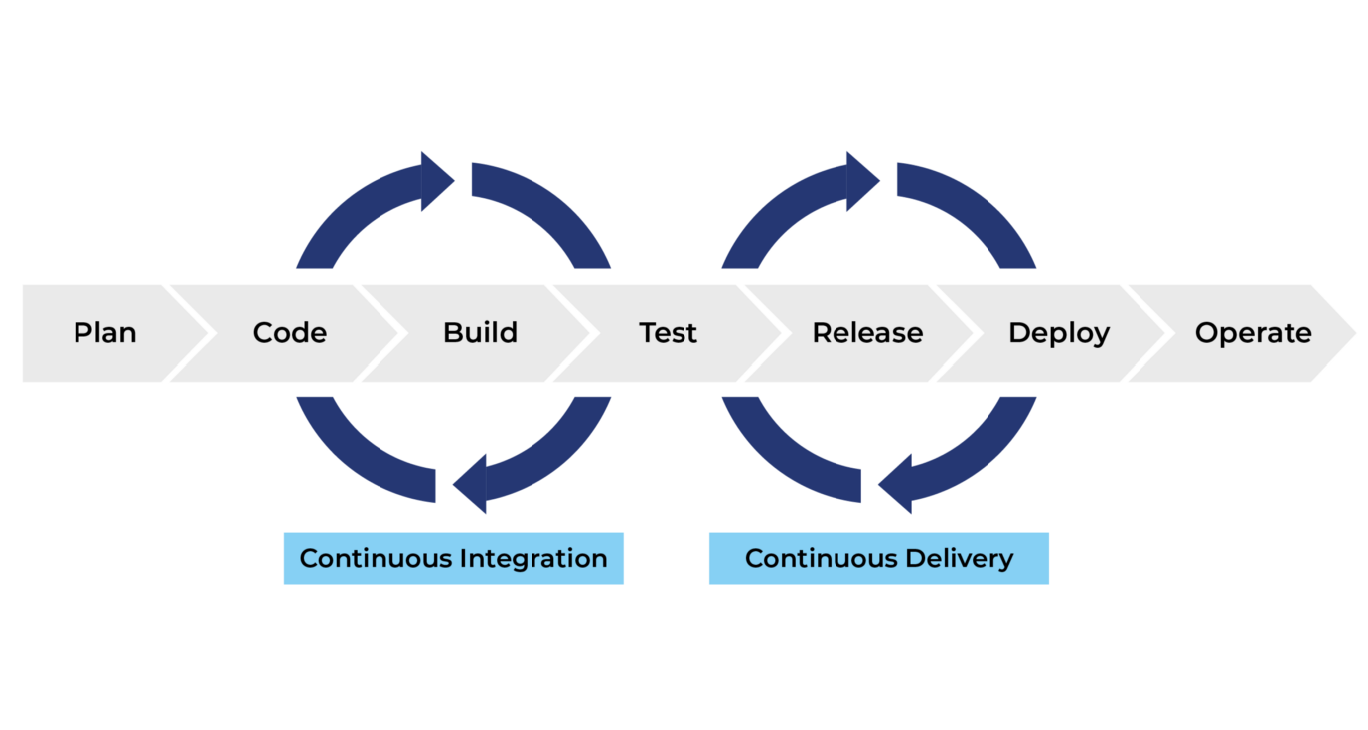
Evaluating if DevOps remains a good career choice in 2026 requires moving past simple CI/CD pipeline management. The market now prioritizes engineers who treat infrastructure as a software product, emphasizing reliability, cost-efficiency, and rigorous security posture. A sustainable career path demands proficiency in cloud-native orchestration, specifically moving from manual container management to automated service meshes like Istio or Linkerd to handle complex traffic routing and observability.
Infrastructure as Code and security integration
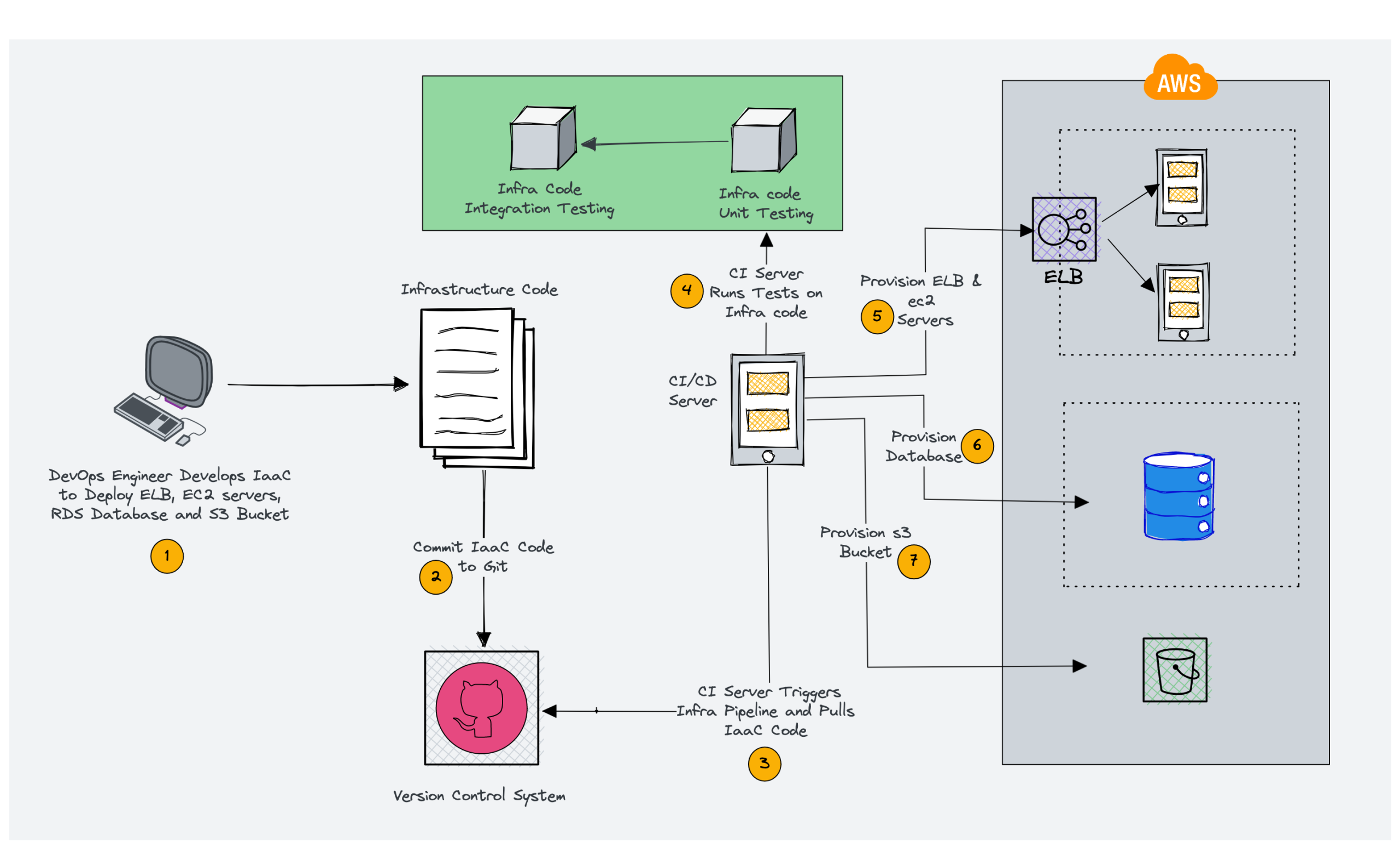
The shift toward Policy-as-Code (PaC) is the primary indicator of a high-value DevOps professional in 2026. Rather than just writing Terraform or Pulumi scripts to provision resources, you must integrate security guardrails directly into the deployment lifecycle. This involves utilizing tools like Open Policy Agent (OPA) to enforce compliance standards—such as ensuring no S3 buckets are public or that all pods have resource limits—before code ever reaches production.
Security integration now requires a deep understanding of DevSecOps workflows. You are expected to implement automated vulnerability scanning within the pipeline using tools like Snyk or Trivy. A good career trajectory in this field is defined by your ability to reduce the 'mean time to remediation' (MTTR) for security incidents. If you can demonstrate how your automated compliance checks reduced audit preparation time from weeks to hours, your professional value increases significantly compared to those who only focus on uptime.
Furthermore, the rise of platform engineering means you must understand the trade-offs between developer autonomy and centralized governance. Successful practitioners build internal developer platforms (IDPs) that abstract away infrastructure complexity while keeping security policies immutable. This transition from 'doing' DevOps to 'enabling' it through platform architecture is what separates a long-term, high-earning career from a role susceptible to automation or outsourcing.
Financial and professional growth benchmarks
Determining if DevOps remains a lucrative path requires looking at salary compression and the shift toward specialized infrastructure roles. As of 2026, the median base salary for a senior DevOps engineer in North America sits between $145,000 and $170,000, according to data from Dice and Robert Half. However, the market is no longer rewarding generalist "jack-of-all-trades" skills. Compensation growth is now tied to mastery of specific cloud-native security (DevSecOps) and cost-optimization frameworks like FinOps.
Comparing platform engineering versus traditional devops
The transition from traditional DevOps to platform engineering is the primary driver of salary differentiation in 2026. Traditional DevOps roles often focus on manual CI/CD pipeline maintenance and ad-hoc troubleshooting, which are increasingly susceptible to automation via tools like GitHub Actions or GitLab CI. Consequently, these roles are seeing stagnant salary growth, often capped at the $130,000 range.
Platform engineering, by contrast, treats internal infrastructure as a product. Professionals in this space build self-service developer portals using tools like Backstage or Crossplane. Because this work directly reduces developer cognitive load and accelerates time-to-market, companies are willing to pay a 20-30% premium over traditional DevOps roles. The stability here is higher because platform teams become deeply embedded in the organization’s proprietary software delivery lifecycle, making them harder to outsource or automate away.
When evaluating if this is a good career path for your financial goals, consider the following benchmarks:
- High-Growth Path: Focus on Kubernetes orchestration, service mesh implementation (Istio/Linkerd), and infrastructure-as-code (Terraform/Pulumi). These skills command top-tier compensation.
- Risk Zone: Roles centered solely on legacy Jenkins management or manual server patching are seeing declining demand and lower salary ceilings.
- Market Reality: In 2026, the most stable and well-compensated positions require a hybrid understanding of cloud cost management (FinOps) alongside traditional automation, as CFOs demand more accountability for cloud spend.
Actionable transition plan for prospective engineers
Determining if DevOps is a good career in 2026 requires moving beyond basic certification checklists and focusing on measurable system reliability and cost-efficiency. A viable transition plan prioritizes the mastery of infrastructure-as-code (IaC) and observability, which are the primary drivers of salary growth in the current market. Instead of chasing broad certifications, focus on demonstrating how you can reduce mean time to recovery (MTTR) and optimize cloud spend for organizations operating at scale.
Building a portfolio that demonstrates operational maturity
To prove your value in a competitive landscape, your portfolio must move past generic tutorial projects like deploying a static site to AWS. Employers are looking for evidence that you can handle complex, real-world deployment and scaling bottlenecks. Structure your projects to solve specific operational pain points:
- Automated Self-Healing: Create a Kubernetes cluster using EKS or GKE that utilizes Horizontal Pod Autoscalers (HPA) and Cluster Autoscalers to handle synthetic traffic spikes, documenting the cost-to-performance ratio.
- Observability Pipelines: Build a monitoring stack using Prometheus and Grafana that triggers automated alerts via PagerDuty or Slack when latency exceeds a defined threshold, demonstrating your ability to reduce incident response time.
- Security-First CI/CD: Design a GitHub Actions or GitLab CI pipeline that integrates static analysis (SAST) and container scanning (e.g., Trivy or Snyk) before deployment, proving you can integrate security into the development lifecycle without slowing down velocity.
- Cost Optimization: Document a case study where you refactored an infrastructure setup using Terraform or Pulumi to reduce monthly cloud expenditure by at least 20%, providing concrete evidence of financial impact.
Documenting these projects in a technical blog or a detailed GitHub README is essential. Use metrics like percentage reduction in deployment time or specific dollar amounts saved to quantify your impact. This approach shifts the conversation during interviews from what you know to what you can deliver, confirming that DevOps remains a high-value career path when backed by demonstrable operational expertise.
Risk assessment and industry limitations
Evaluating whether is devops a good career in 2026 requires acknowledging that the role is no longer a catch-all for generalist IT operations. The primary risk for professionals entering the field today is the commoditization of basic CI/CD pipeline management. As platforms like Vercel, Render, and AWS App Runner automate infrastructure provisioning, the market value of manual Jenkins configuration or basic shell scripting has plummeted.
To determine if this path remains viable for your specific goals, consider these three critical industry limitations:
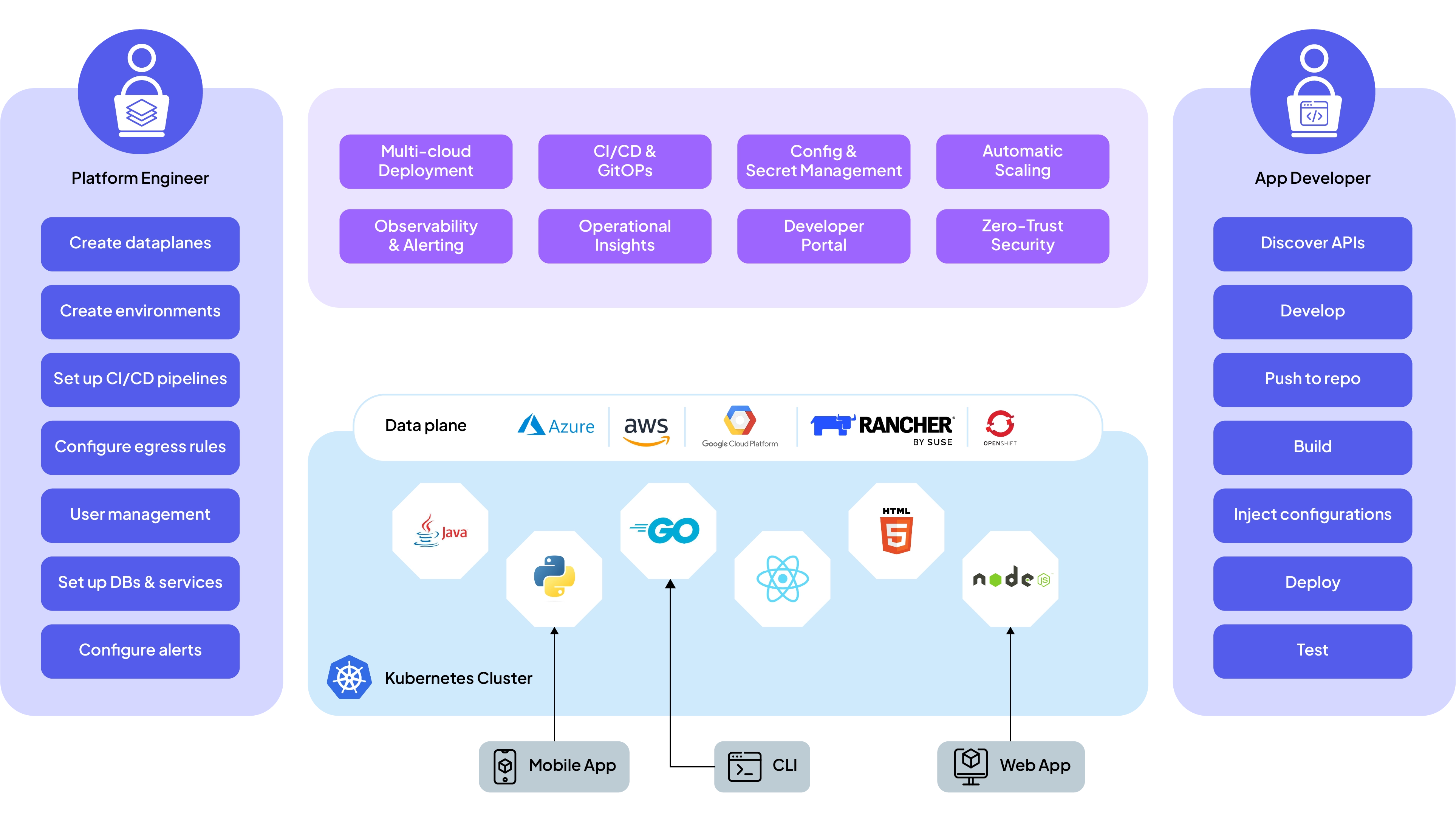
- The Platform Engineering Shift: Many organizations are moving away from dedicated DevOps roles toward Platform Engineering. If you are looking for a career that focuses strictly on "DevOps" as defined in 2018, you will find fewer job openings. The industry now favors engineers who build internal developer platforms (IDPs) using tools like Backstage.io or Crossplane, rather than those who simply maintain existing pipelines.
- High Cognitive Load and Burnout: The 2026 landscape demands proficiency in Kubernetes, Terraform, and cloud-native security (DevSecOps) simultaneously. The expectation to manage complex distributed systems while being on-call for production incidents creates a high burnout rate. If your goal is a "good" career defined by work-life balance, you must target companies with mature SRE (Site Reliability Engineering) practices rather than startups where you are the sole infrastructure engineer.
- AI-Driven Infrastructure Management: Tools like GitHub Copilot and specialized AI agents are increasingly capable of writing infrastructure-as-code (IaC) templates. The career risk here is not that AI replaces the role, but that the entry-level "helper" tasks that previously allowed juniors to learn the ropes are being automated. This creates a steeper barrier to entry, making it harder for those without a strong foundation in systems architecture to prove their worth.
A career in this domain is only "good" if you pivot toward high-level systems design and security architecture. If you rely on basic automation skills, you will likely face wage stagnation as these tasks become standard features within cloud provider consoles. Success in 2026 requires moving beyond the "DevOps" label and positioning yourself as a cloud-native systems architect. For those wondering if can devops engineer be replaced by ai, the answer lies in mastering complex architectural strategy. Additionally, those curious about the does devops require coding and dsa debate should focus on high-level systems design, while those interested in decentralized tech should review our blockchain marketing careers analysis.
Frequently Asked Questions
Impact of AI automation on long-term devops viability
Yes, but the definition of 'good' has shifted from basic CI/CD management to platform engineering and infrastructure-as-code (IaC) architecture. Automation tools like GitHub Actions and Terraform have commoditized entry-level tasks, making high-level system design and security-focused DevOps (DevSecOps) the primary drivers of career growth.
Salary expectations for a DevOps role in 2026
According to current industry benchmarks, mid-level DevOps engineers in major tech hubs can expect compensation ranging from $130,000 to $170,000. However, the 'good' factor depends on your ability to manage multi-cloud environments (AWS/Azure/GCP) and Kubernetes clusters, which command a 15-20% salary premium over generalist roles.

