
.webp)
.png)
Core functions of the regulatory sandbox for insurtech
A regulatory sandbox for insurtech serves as a controlled environment where firms test innovative insurance products under the oversight of financial authorities. It is not a legal vacuum, but rather a structured mechanism designed to gather empirical data on how new technologies interact with existing consumer protection laws.
Controlled testing parameters
Regulators establish specific boundaries for these environments, often limiting the number of customers, the duration of the pilot, and the total premium volume. For instance, the Monetary Authority of Singapore (MAS) requires participants to define clear success metrics and measuring the success of a regulatory sandbox before any policy is issued.
These parameters ensure that if a product fails, the impact on the broader insurance market remains contained.
Data privacy and consumer protection mandates
Participation in a sandbox does not exempt a startup from data privacy regulations like GDPR or CCPA. Firms must demonstrate robust encryption protocols and clear disclosure mechanisms for policyholders.
![CCPA vs GDPR. What's the Difference? [With Infographic]](https://assets.cookieyes.com/ccpa_vs_gdpr_1_98badb95c6.png)
Regulators prioritize the 'fair treatment of customers' principle, which is central to regulatory sandbox impact on consumer protection. This means that even in a testing phase, the startup remains liable for claims processing and dispute resolution.
Evaluating the transition from sandbox to market
Exiting a sandbox is frequently more complex than entering one, as startups often underestimate the shift from experimental status to full regulatory compliance. Many firms struggle to maintain the same level of agility once they are subject to standard solvency and reporting requirements.
Capital adequacy requirements
While sandboxes may offer temporary relief from strict capital requirements, the transition to a full license requires adherence to Solvency II or local equivalent standards. Startups must prove they hold sufficient liquid assets to cover potential claims, a hurdle that often necessitates a significant capital injection post-sandbox.
Scaling operational infrastructure
Moving from a pilot to enterprise-grade systems requires moving away from manual workarounds. Regulators expect automated reporting, integrated accounting, and scalable IT infrastructure that can handle thousands of concurrent transactions without downtime or data leakage.
The role of third-party partnerships
Many insurtechs rely on fronting carriers to provide the balance sheet capacity required during the sandbox phase. This partnership model allows the startup to focus on the customer experience and underwriting algorithm while the carrier manages the regulatory capital and licensing obligations.
However, this creates a dependency where the startup must align its internal data formats with the carrier's legacy systems. This often requires custom API integrations that add complexity to the pilot.
Common misconceptions regarding regulatory relief
A frequent error is the assumption that sandbox entry implies a waiver of core legal obligations. In reality, the sandbox is a testing ground for compliance, not an exemption from it.
Liability frameworks for algorithmic underwriting
When using AI for underwriting, the legal accountability for bias or discriminatory pricing remains with the insurer. If an algorithm produces a skewed result, the sandbox participant must be able to explain the decision-making process to regulators.
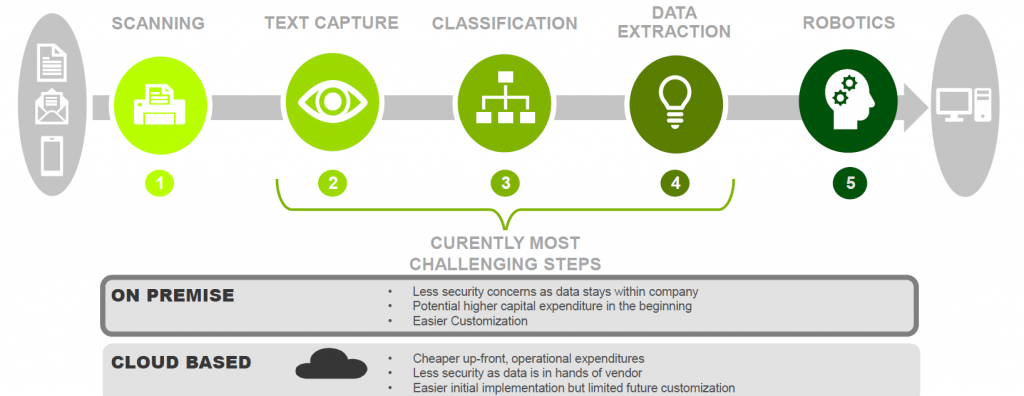
The sandbox provides a space to refine these models, but it does not shield the firm from lawsuits regarding unfair practices.
Operational audit trails
Regulators often mandate that sandbox participants maintain immutable audit trails for every automated decision. This means implementing logging systems that record not just the final insurance quote, but the specific data inputs and model versions used at that exact moment. By maintaining these records, firms can better manage regulatory compliance for phishing prevention and other cybersecurity threats that could compromise sensitive policyholder data.
Without these logs, a firm cannot prove compliance during the post-sandbox audit, which can lead to license denial.
Decision criteria for sandbox participation
Before applying, leadership must determine if the sandbox is the correct tool for their specific product lifecycle. Not every innovation requires regulatory relief; some products can launch within existing frameworks if they are structured correctly. For those exploring international expansion, understanding cross-border regulatory sandboxes explained is essential for scaling operations.
Assessing regulatory maturity
If the primary barrier to entry is a lack of clear legal guidance for a new technology, a sandbox is appropriate. However, if the barrier is simply a lack of market demand or operational inefficiency, a sandbox will not solve the underlying business problem.
Resource allocation for compliance reporting
Startups often overlook the hidden costs of mandatory reporting. During the pilot, firms must dedicate significant engineering and legal hours to generating reports for the regulator.
This resource drain can slow down product development. Firms must budget for these compliance overheads from day one.
Strategic considerations for sandbox success
Beyond the technical and legal hurdles, successful sandbox navigation requires a shift in organizational mindset. Firms that treat the sandbox as a collaborative dialogue with regulators rather than a hurdle to be cleared tend to achieve better outcomes.
This involves proactive communication regarding model drift in AI underwriting or unexpected spikes in claim frequency during the pilot. By providing regulators with transparent, real-time dashboards, startups can build the trust necessary to secure a full license faster.
Documenting the 'lessons learned' regarding consumer behavior during the pilot provides invaluable data for future product iterations, turning a regulatory requirement into a competitive advantage.
Frequently Asked Questions
Definition of a regulatory sandbox in fintech
It is a controlled environment set up by regulators that allows startups to test innovative financial products or services with real customers under limited oversight.
Typical duration of a regulatory sandbox program
Most programs last between 6 to 24 months, depending on the complexity of the product and the specific requirements set by the local financial authority.
Legal status of regulatory sandbox participation
Yes, participants must adhere to the specific terms, conditions, and reporting requirements established by the regulator for the duration of the pilot.
Legal counsel requirements for sandbox entry
While not strictly required by all regulators, legal counsel is highly recommended to navigate the complex compliance obligations and liability frameworks involved.
Outcomes for startups exiting a regulatory sandbox
The startup must follow a pre-approved regulatory sandbox exit strategies, which includes winding down operations, settling outstanding claims, and ensuring customer data is protected or transferred.
- Operationalizing regulatory sandboxes and innovation frameworks for fintech growth
- Market access advantages within cross-border regulatory sandboxes explained
- Verification criteria for regulatory sandbox impact on consumer protection
- Strategic selection between sandbox testing and direct market oversight

