


Are chatbots bad for the environment?
Chatbots powered by large language models (LLMs) create a measurable environmental footprint through significant electricity consumption and water usage required to maintain data center operations. While these tools offer efficiency gains, each interaction necessitates energy expenditure that scales with the complexity of the model and the frequency of user queries.
The environmental impact of a modern AI assistant is not limited to the electricity consumed during a single query. It spans the entire lifecycle of the hardware and infrastructure supporting it.
Computational demands of model inference
Every time a user submits a prompt, the underlying model performs a process known as inference. This requires the model to pass input through billions of parameters stored across arrays of high-performance GPUs, such as the NVIDIA H100 or A100.
Unlike traditional search queries that retrieve indexed data, LLMs calculate the probability of each subsequent word in real-time. This mathematical heavy lifting consumes significant electrical power. For instance, a single request to a sophisticated model can consume as much energy as powering a standard LED lightbulb for several hours, a cost that aggregates rapidly as millions of users interact with these systems daily.

Water usage in data center cooling
The environmental impact of chatbots extends beyond electricity to include substantial water consumption. High-density GPU clusters generate intense heat, requiring sophisticated cooling systems to prevent hardware failure and maintain operational stability.
Many modern data centers utilize evaporative cooling, where water is evaporated to lower the temperature of the facility. Estimates from research into large-scale AI training and inference suggest that a typical data center can consume millions of liters of water annually for cooling purposes. This creates a direct trade-off in regions facing water scarcity, as the demand for AI-driven services competes with local water supplies for municipal and agricultural use.
Hardware lifecycle and electronic waste
The rapid advancement of AI models forces a cycle of constant hardware replacement. To remain competitive, data centers frequently upgrade to the latest generation of GPUs, such as the NVIDIA H100 or B200 series. This creates a significant electronic waste (e-waste) problem.
Older hardware, while still functional for less intensive tasks, is often decommissioned prematurely to make space for higher-density, more power-efficient chips. The manufacturing process for these semiconductors is resource-intensive, requiring rare earth metals and massive amounts of ultra-pure water. When these components reach the end of their short life cycle, they contribute to the growing global e-waste crisis, as recycling complex multi-layer circuit boards remains technically difficult and environmentally hazardous.
Energy grid reliance and carbon intensity
The actual carbon footprint of a chatbot deployment depends heavily on the energy mix of the local power grid where the data center resides. A query processed in a facility powered by coal-heavy energy produces significantly higher emissions than one processed in a region utilizing hydroelectric or wind power.
Companies like Google and Microsoft often locate data centers in areas with cheap, abundant energy, which is not always synonymous with clean energy. Even when tech giants purchase renewable energy credits to offset their consumption, the physical reality of the grid means that during peak demand, data centers often draw from fossil-fuel-based sources to maintain uptime. Consequently, the environmental cost of a digital interface is geographically variable; the same prompt could have a vastly different climate impact depending on which server cluster handles the request at that specific moment.
Comparative efficiency of AI models
The energy footprint of an automated system is primarily dictated by the number of parameters in the underlying LLM and the frequency of inference requests. Training a model like GPT-4 requires thousands of GPUs running for months, consuming gigawatt-hours of electricity.
However, the operational phase—where users interact with the software—is where the cumulative environmental cost often spikes. To assess whether chatbots are bad for the environment, we must look at the energy-per-token metric. Larger models require more memory bandwidth and computational cycles to generate a single response. When a user asks a simple question that could be answered by a lightweight model, using a massive, general-purpose LLM is akin to using a jet engine to power a desk fan.
Small language models as a sustainable alternative
Small language models (SLMs) offer a pragmatic path forward for reducing the environmental overhead of AI. By narrowing the scope of a model to specific tasks—such as customer support, document summarization, or internal data retrieval—developers can utilize models with fewer parameters, often in the range of 1 billion to 7 billion. If you are interested in the technical side, learning how to make a chatbot with python can help you build more efficient, lightweight solutions.
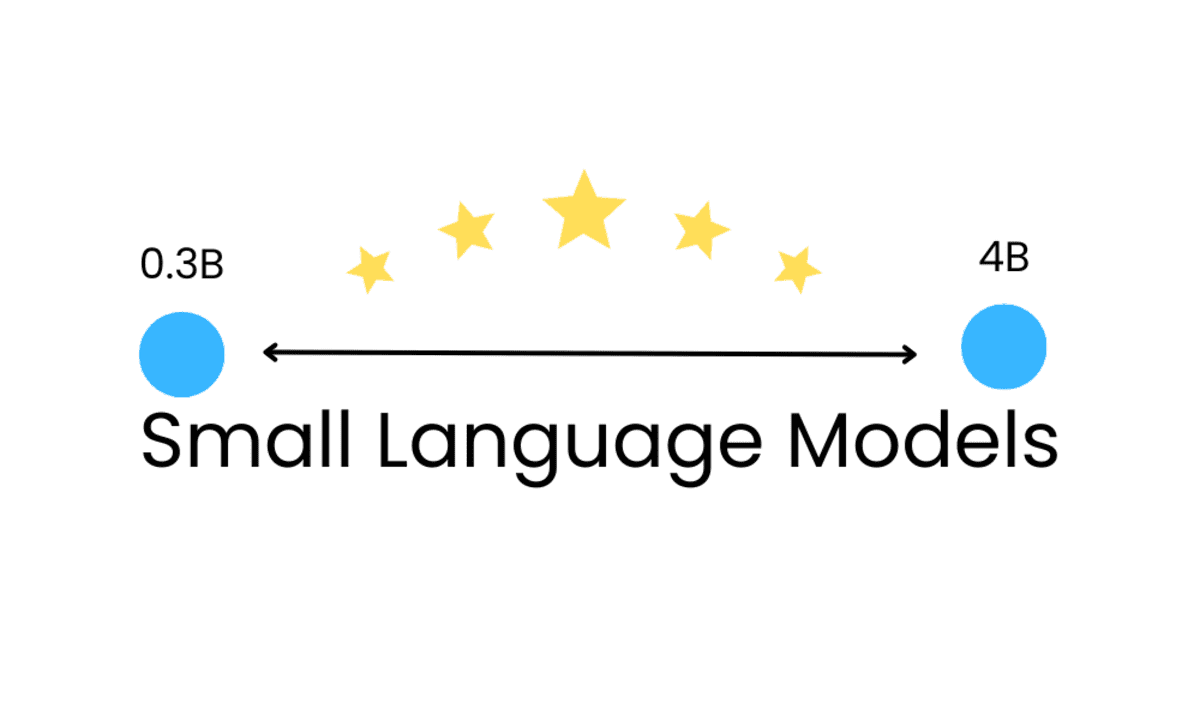
These models require significantly less VRAM and compute power, leading to lower latency and a smaller carbon footprint per inference. The shift toward SLMs like Microsoft’s Phi-3 or Mistral’s 7B demonstrates that performance does not always require massive scale. These models can be fine-tuned on high-quality, domain-specific datasets to match or exceed the accuracy of larger models for specialized tasks.
Mitigation strategies for sustainable deployment
Organizations can significantly reduce the energy consumption per query by implementing targeted technical optimizations and selecting infrastructure partners committed to carbon neutrality. Understanding why chatbots fail in business is essential for ensuring that resources are not wasted on poorly optimized or unnecessary implementations.
Pruning involves removing redundant connections within a neural network, effectively shrinking the model size without sacrificing significant performance. Quantization, meanwhile, converts high-precision floating-point numbers into lower-precision formats like INT8. This process reduces memory bandwidth requirements and accelerates inference speed on standard GPUs, leading to lower electricity consumption per interaction.
Green cloud computing initiatives
Choosing cloud providers that utilize Power Usage Effectiveness (PUE) metrics and operate on renewable energy grids is a primary lever for sustainability. Major providers like Google Cloud, AWS, and Azure offer regional carbon footprint tracking tools that allow developers to route traffic to data centers powered by wind, solar, or hydroelectric energy.
Beyond selecting green energy, organizations should prioritize regions with cooler climates, which naturally reduce the energy required for server cooling. Implementing a 'follow-the-sun' strategy, where workloads are dynamically shifted to regions with surplus renewable energy availability at specific times, further minimizes the reliance on fossil-fuel-backed grids.
Frequently Asked Questions
- How is the environmental impact of a chatbot assessed? Chatbots contribute to environmental strain primarily through high electricity consumption during model training and inference, as well as significant water usage for cooling data centers.
- How much water does a chatbot conversation consume? Research from UC Riverside suggests that a series of 20 to 50 questions with a model like GPT-3 can result in the consumption of approximately 500ml of water, primarily used to cool the servers processing the requests.
- Are there unregulated models? Yes, users should be aware of what chatbots have no filter, as these often lack the safety guardrails that help manage resource usage and ethical deployment.

