
.webp)
.png)
The disconnect between intent recognition and transactional reality: Why chatbots fail in business
Chatbots often fail in business because they treat natural language as a simple classification task rather than a transactional bridge. When a customer interacts with a bot during high-volume periods, the system frequently identifies the user's intent correctly but lacks the technical architecture to execute the corresponding backend action. This failure creates a false sense of progress, where the bot acknowledges the request but cannot retrieve the specific data required to solve the problem.
Mapping user intent to rigid database schemas
The primary technical bottleneck occurs when Natural Language Processing (NLP) models cannot map conversational inputs to the strict requirements of backend API schemas. Most enterprise databases rely on structured, precise queries, whereas human language is inherently ambiguous and context-dependent.
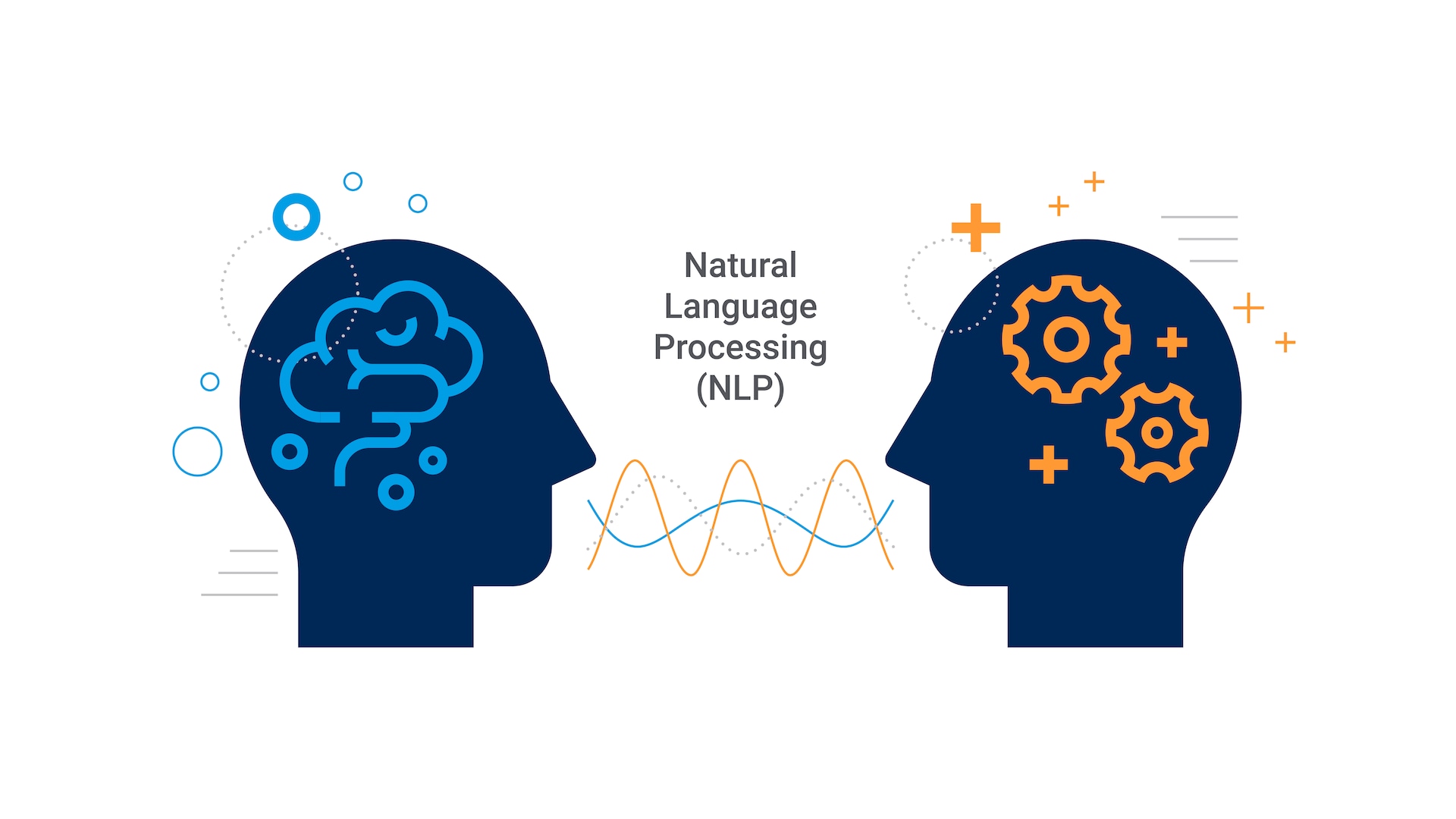
For instance, if a user asks to "check the status of my order from last Tuesday," the NLP engine might correctly identify the intent as get_order_status. However, if the backend API requires a specific alphanumeric order_id and a timestamp format that the bot failed to extract during the conversation, the request stalls.
Developers often underestimate the complexity of this mapping. When traffic spikes, the latency between the NLP service and the database increases, leading to timeouts. If the bot is not programmed with robust error handling for these specific API failures, it defaults to generic responses like "I'm sorry, I don't understand." This is a failure of integration, not intelligence, and points to the practical realities of chatbot development.
The bot effectively loses the user's trust because it cannot translate a successfully parsed intent into a successful database transaction. To mitigate this, engineers must implement middleware that validates required parameters against schema constraints before attempting the API call, ensuring the bot only promises what it can technically deliver.
Contextual memory loss in multi-turn conversations
Many business chatbots rely on stateless architectures where each user message is processed as an isolated event. This design choice forces the bot to discard previous inputs once a response is generated, effectively resetting the conversation state.
When a customer asks a follow-up question—such as requesting a modification to an order they just mentioned—the bot fails to associate the new request with the existing context. This forces users to repeat information, which increases friction and leads to immediate abandonment during high-volume periods when users expect rapid, intelligent resolutions.
Advanced implementations mitigate this by utilizing session state management tools like Redis or integrated database lookups to persist user intent across multiple turns. Without these mechanisms, the bot cannot maintain a "thread" of the dialogue, rendering it incapable of handling complex troubleshooting or multi-step service requests.
The impact of session timeouts on user retention
Security protocols often dictate aggressive session timeout policies, frequently set between 5 to 15 minutes of inactivity. While these measures protect sensitive customer data, they create a significant barrier in high-volume environments where users may be multitasking or waiting for information from other sources.
When a session expires, the bot clears the conversation history, forcing the user to restart the entire interaction from the beginning. This rigid approach creates a direct trade-off between strict compliance and user experience. To balance these requirements, developers should implement "soft" session timeouts that allow for a grace period where the bot can re-authenticate the user without wiping the context.
If the system forces a full reset, the user is likely to perceive the chatbot as broken rather than secure. During peak traffic, this frustration compounds, as users are less likely to tolerate technical hurdles when they are already experiencing delays in getting their issues resolved.
Over-reliance on automated escalation triggers
Many organizations implement rigid escalation rules that force a handoff to a live agent the moment a why AI agents fail and their risks encounters a keyword or a sentiment score dip. While this aims to protect the customer experience, it often causes a bottleneck during high-volume periods.
When the system defaults to human support for every minor ambiguity, the support queue swells, leading to increased wait times and decreased agent morale. The goal should be to keep the user within the automated flow as long as the bot can provide utility, rather than treating every negative sentiment as an immediate failure.
Defining the threshold for human intervention
To optimize your escalation strategy, you must move beyond binary triggers. Instead of relying on a single negative word to trigger an agent, implement a weighted sentiment analysis framework.
For example, a customer saying "I'm frustrated" should not automatically trigger a live agent if the bot has the capability to offer a direct link to a refund policy or a status update. Reserve human intervention for complex, multi-turn conversations where the bot has failed to provide a relevant resolution after two attempts.
Use the following criteria to calibrate your escalation triggers:
- Intent Confidence Score: Set a threshold (e.g., below 70% confidence) where the bot must ask a clarifying question before escalating.
- Sentiment Velocity: Monitor the rate of change in sentiment. If a user moves from neutral to aggressive within three messages, escalate immediately.
- Task Complexity: Categorize intents into 'Informational' (bot-handled) and 'Transactional' (agent-assisted). Only transactional requests that fail the initial verification step should trigger an escalation.
By refining these thresholds, you prevent the 'escalation loop' that occurs when bots are programmed to be overly cautious. This ensures that your human agents are only pulled into conversations where their empathy and complex problem-solving skills are actually required, rather than acting as a safety net for basic information retrieval.
Data training gaps and the hallucination risk
Chatbots often falter during high-volume periods because their underlying models lack exposure to specific, high-stress user intent patterns. When a bot encounters a query outside its training distribution, it may attempt to synthesize an answer based on probabilistic patterns rather than factual constraints, sometimes leading to situations where chatbots have no filter.
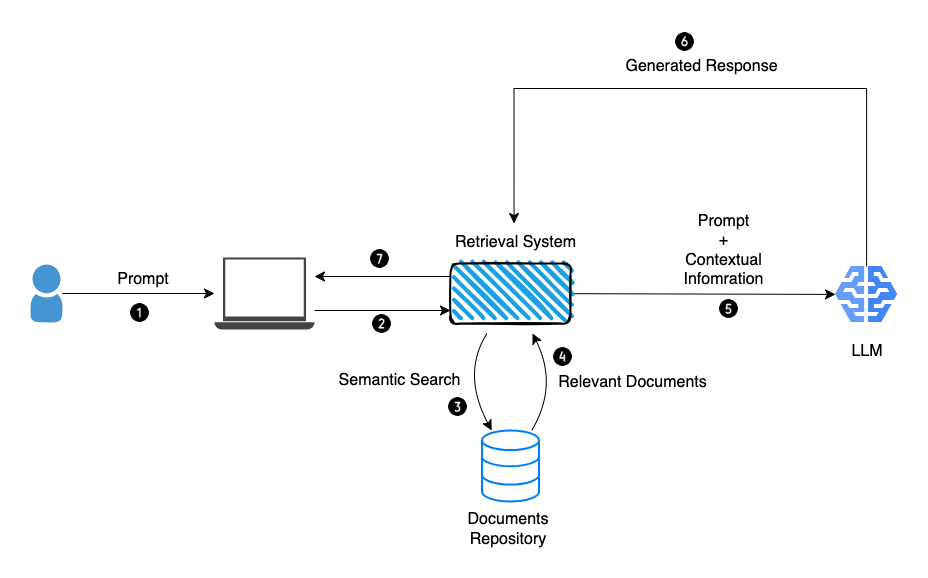
This behavior, known as hallucination, is exacerbated when the system is not configured with strict retrieval-augmented generation (RAG) guardrails or clear fallback protocols. When building these systems, it is essential to consider the best AI agents for business use cases to ensure reliability.
Auditing training sets for edge case coverage
To identify missing conversational paths before they cause failures during peak traffic, follow this systematic audit approach:
- Extract high-entropy logs: Review conversation logs from previous high-volume events. Filter for interactions where the bot triggered a 'fallback' or 'I don't understand' response.
- Cluster intent gaps: Use clustering tools like BERTopic or simple keyword frequency analysis to group these failed interactions. If 15% of failed queries relate to 'shipping delay status' despite having a dedicated intent, your training set lacks sufficient linguistic variation for that specific path.
- Synthetic data generation: Once gaps are identified, use a secondary LLM to generate 50-100 variations of the missing intent. Include colloquialisms, typos, and complex sentence structures common in frustrated user inputs.
- Adversarial testing: Manually input 'edge case' queries that combine two distinct intents—such as requesting a refund while simultaneously asking about a promotional code. If the bot fails to prioritize the primary intent or provides conflicting information, update the training set to include these multi-intent examples.
The primary risk during high-volume periods is that the bot attempts to be helpful by guessing, leading to misinformation that requires human intervention to correct. By mapping these gaps and reinforcing the model with diverse, real-world edge cases, you move the bot from a generic responder to a specialized tool capable of handling the nuances of peak-season customer behavior.
Maintenance overhead and the hidden cost of updates
Many organizations launch chatbots as a set-and-forget solution, only to realize that static conversational flows degrade rapidly as business requirements shift. When a social media business strategy is not actively maintained, it becomes a liability during high-volume periods, providing outdated information that frustrates users and increases ticket escalation rates.
The primary reason why chatbots fail in business is the lack of a dedicated feedback loop that connects customer support logs to the bot’s knowledge base.
Synchronizing bot logic with product catalog changes
Chatbots often rely on hard-coded product identifiers, pricing, or availability statuses. When your inventory management system updates, the bot frequently lags behind, leading to incorrect recommendations or failed transactions. Relying on manual updates is unsustainable, especially during peak traffic when data changes hourly.
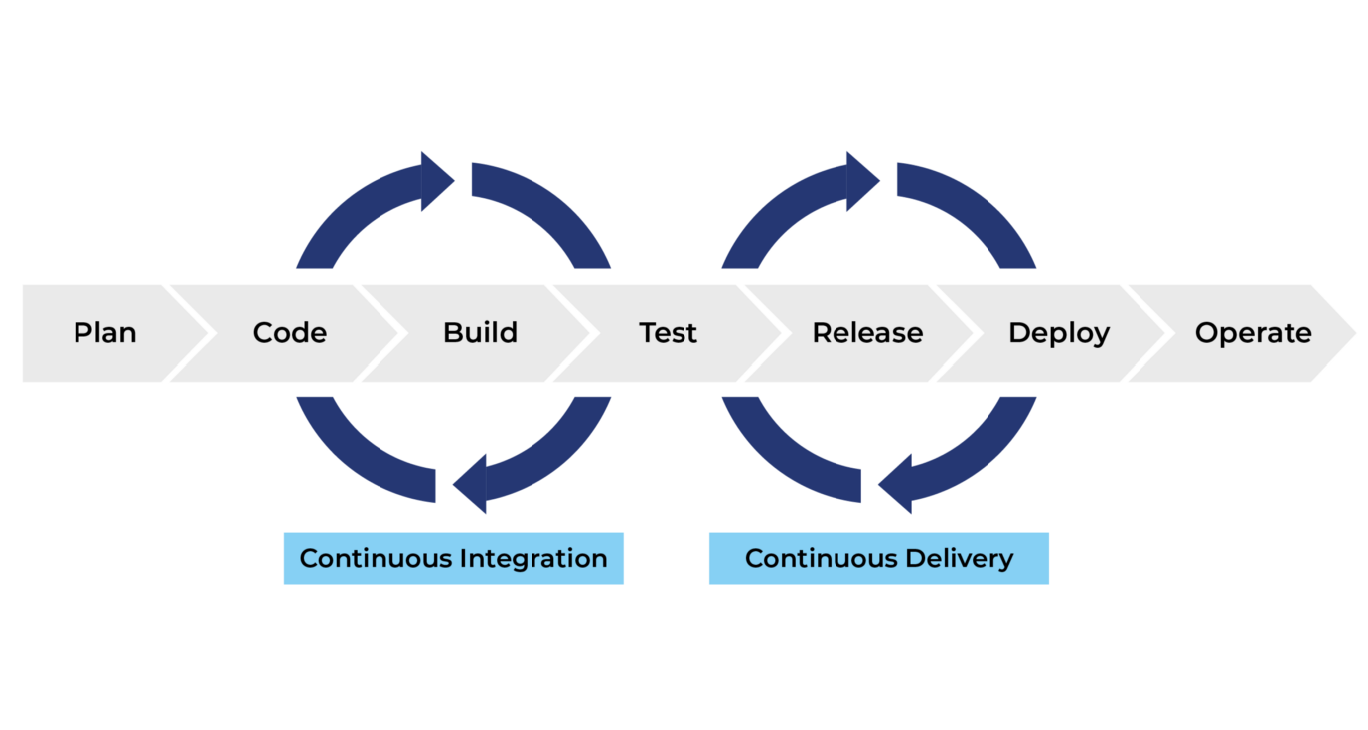
To mitigate this, engineering teams must implement automated CI/CD pipelines for updates. Instead of manual content management, the bot should consume data directly from your PIM (Product Information Management) or ERP via API endpoints. This ensures that when a product is marked as 'out of stock' in your backend, the chatbot logic updates in real-time without requiring a redeployment of the conversational interface.
Key technical requirements for maintaining bot performance include:
- API-First Architecture: Ensure your bot platform supports dynamic JSON payloads rather than static text files for product data.
- Automated Regression Testing: Run automated scripts before any update to ensure new logic does not break existing intent recognition models.
- Version Control for Flows: Use Git-based workflows to manage conversational scripts, allowing for instant rollbacks if a new update causes a spike in 'bot-not-understood' errors.
Neglecting these technical integrations creates a 'knowledge gap' where the bot effectively operates on obsolete data. By treating your chatbot as a living software product rather than a static marketing asset, you reduce the risk of failure during high-traffic events and maintain consistent user trust.
Frequently Asked Questions
Primary technical drivers of chatbot failure during high-volume periods
The primary technical reason is API rate limiting and latency. When a chatbot exceeds its concurrent request limit or the backend database cannot process queries fast enough, the system times out, leading to broken user experiences.
Impact of poor intent mapping on chatbot performance
Poor intent mapping occurs when the chatbot's natural language processing (NLP) model is not trained on the specific, nuanced vocabulary of a business's customer base. This leads to high 'fallback' rates where the bot repeatedly fails to understand the user, forcing an escalation to human agents.

