
.webp)
.png)
Data privacy and security protocols in free AI agents
When evaluating free AI agents available to use, the primary risk involves how your proprietary data is handled during processing. Many free-tier services default to using user inputs to refine their underlying large language models.
Before integrating an agent into your workflow, you must confirm whether the provider offers an opt-out mechanism for data training. This is the single most effective way to protect sensitive business information.
Data retention and training policies
To verify if your input data is used for model training, start by reviewing the provider’s Terms of Service and Privacy Policy specifically for the "free" or "community" tier. Look for clauses related to "data usage for model improvement" or "service optimization."
For instance, platforms like OpenAI and Anthropic provide specific settings in their dashboard to disable chat history and training for their standard web interfaces. If an agent does not explicitly state that it excludes your data from training sets, assume it is being ingested.
For enterprise-grade security, prioritize agents that offer a zero-retention policy, where data is deleted immediately after the response is generated.
API access and authentication standards
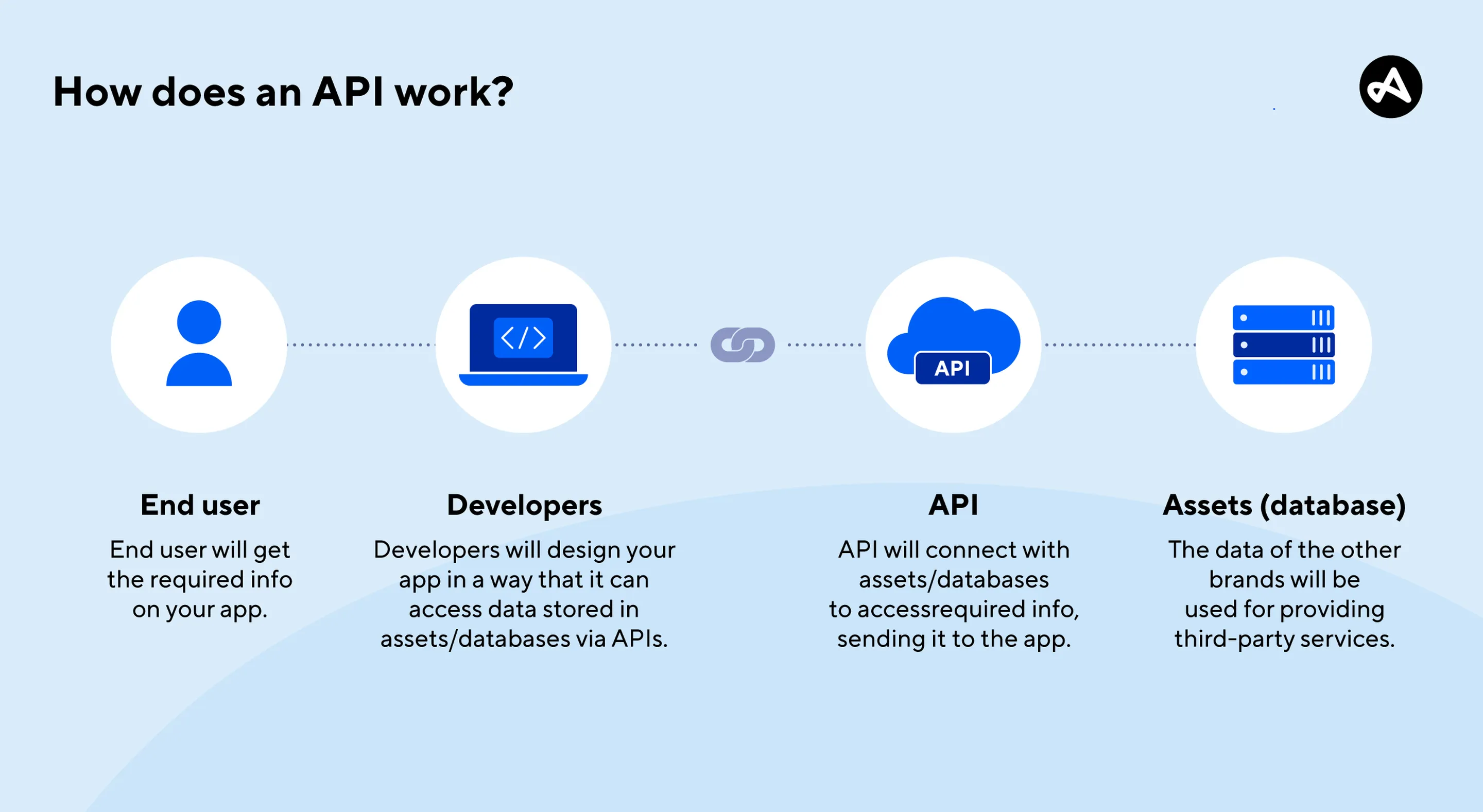
Secure integration requires that any autonomous AI agent you adopt supports robust authentication protocols. Avoid tools that rely solely on shared passwords or insecure hard-coded credentials. Instead, look for agents that implement OAuth 2.0 or provide secure API key management systems.
OAuth 2.0 allows you to grant the agent access to specific data sources—such as a Google Drive folder or a Slack channel—without sharing your primary login credentials. If you are using an agent via an API key, ensure the platform allows for key rotation and granular permission scoping. This ensures that if a key is compromised, the potential damage is limited to the specific tasks the agent is authorized to perform.
Performance metrics for free AI agents available to use
Evaluating the efficacy of free AI agents requires a shift from marketing claims to empirical performance data. When testing these tools, prioritize throughput, accuracy in instruction following, and the stability of the API or web interface during peak usage hours.
You should benchmark these agents against a standardized set of tasks, such as summarization, code generation, or data extraction, to determine if the free tier provides sufficient utility for your specific workflow.
Latency and response time consistency
Free-tier access often routes requests through shared server pools, leading to significant fluctuations in latency. To measure this, run a series of identical prompts at different times of the day—specifically during peak business hours in the US and Europe—to identify potential throttling.
A reliable agent should maintain a predictable time-to-first-token (TTFT). If the latency variance exceeds 30% between morning and evening tests, the agent may be unsuitable for time-sensitive automation tasks. Use tools like Postman to track response headers and identify if the service is queuing your requests due to rate limits imposed on free accounts.
Model capability and context window limits
Most free AI agents available to use rely on distilled or smaller parameter versions of flagship models, such as GPT-4o mini or Claude 3 Haiku. While these models are highly efficient, they often come with restricted context windows and reduced reasoning capabilities compared to their paid counterparts.
You must verify if the agent can handle your required input size; for instance, if you need to process a 50-page PDF, a model limited to 8k tokens will fail or hallucinate. Check the documentation for the specific model version powering the agent.
If the provider does not disclose the model version, perform a stress test by feeding it increasingly large datasets until the output quality degrades or the system returns an error. Always account for the 'lost in the middle' phenomenon, where models struggle to retrieve information from the center of a large prompt.
Integration capabilities with existing workflows
An AI agent is only as effective as its ability to access your data and execute tasks within your current software stack. When evaluating free AI marketing agents available to use, prioritize those that offer direct API access or pre-built connectors to your primary productivity tools, such as Google Workspace, Slack, or Notion.
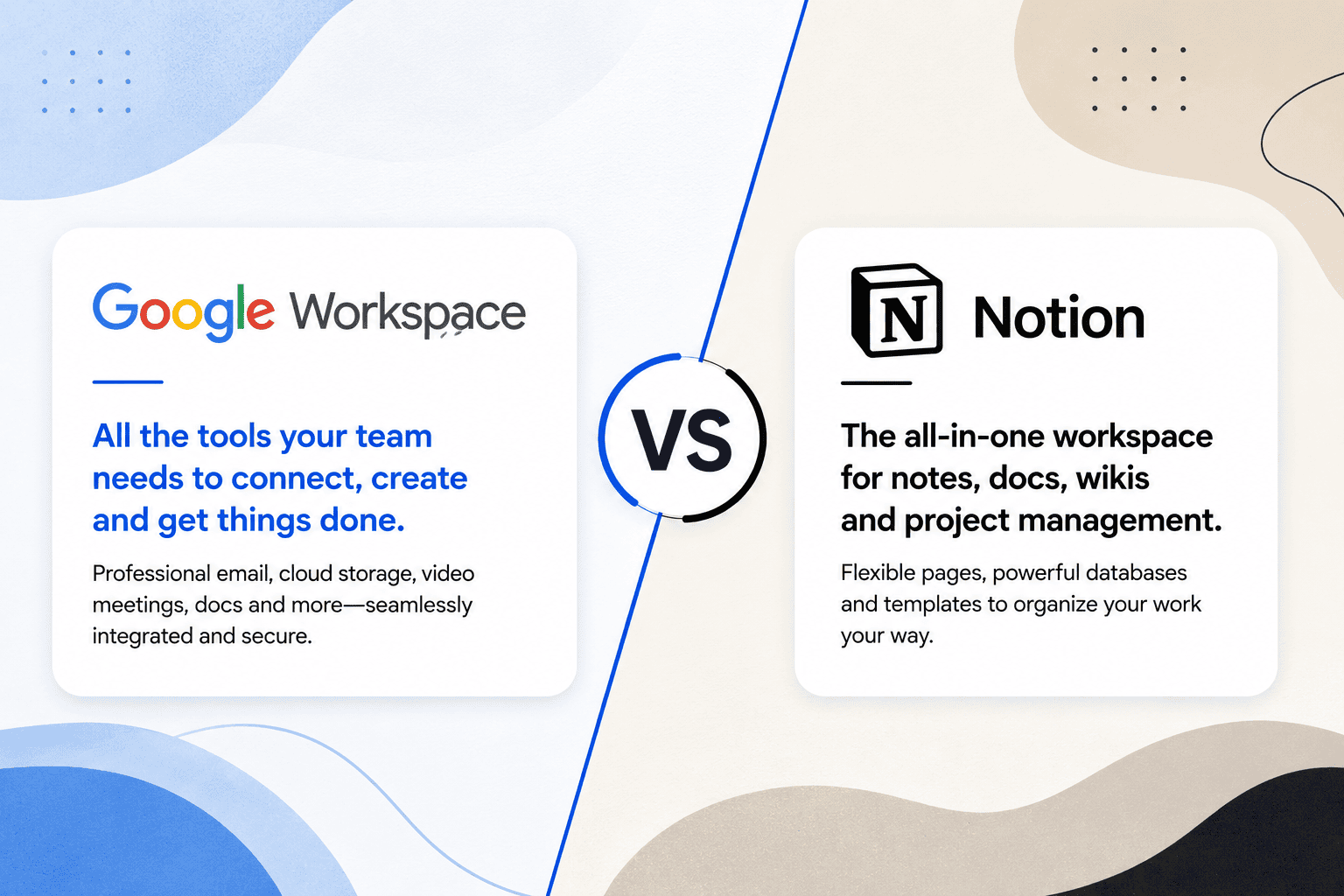
A tool that operates in a silo forces manual data entry, which negates the efficiency gains you are seeking.
Native versus third-party integrations
Native integrations are built directly into the agent’s architecture, allowing for seamless authentication and immediate data synchronization. For example, an agent with native Slack integration can monitor specific channels and trigger responses without requiring additional configuration. These are preferable because they typically offer higher security standards and lower latency.
When native support is absent, you must evaluate the necessity of middleware platforms like Zapier or Make. These services act as the glue between your AI agent and the rest of your ecosystem. While powerful, using middleware introduces several trade-offs:
- Complexity: You must manage a secondary platform, which increases the likelihood of broken connections during API updates.
- Cost: Many free AI agents have generous tiers, but the middleware required to connect them often hits usage limits quickly, forcing you into a paid subscription.
- Data Privacy: Every additional layer in your integration stack creates another potential point of failure or data exposure.
Before committing to a specific agent, map out your essential workflow. If the agent requires a complex web of third-party triggers to perform a simple task like updating a CRM entry, the maintenance burden will likely outweigh the benefits.
Look for agents that provide a clear documentation portal or an API reference page. If you cannot find a list of supported endpoints or a clear explanation of how the agent handles OAuth tokens, consider that a significant red flag for long-term scalability.
Scalability and transition paths to paid tiers
Most free AI agents available to use operate on a freemium model, where the transition to a paid tier is triggered by usage caps, API rate limits, or the need for advanced model access. Evaluating scalability requires looking beyond current needs to determine if the platform allows for seamless data migration and workflow integration as your requirements grow.
A platform that forces a complete rebuild of your agent logic when upgrading is rarely worth the initial time investment.
Cost-benefit analysis of feature gating
Feature gating is the primary mechanism providers use to differentiate free and paid versions. Common restrictions include limited context windows, restricted access to proprietary models like GPT-4o or Claude 3.5 Sonnet, and the absence of team collaboration tools. To determine if a free tier is sufficient, map your daily task volume against the platform's hard limits.

If your workflow involves processing large documents or complex multi-step reasoning, free tiers often impose token limits that cause the agent to "forget" previous instructions or truncate outputs. For instance, if an agent is limited to 4k context tokens, it will struggle with long-form content generation or deep code analysis.
When the time spent manually re-prompting or cleaning up agent errors exceeds the cost of a monthly subscription—typically ranging from $20 to $30 per user—the free version has become a productivity bottleneck rather than an asset.
Assess the following indicators to decide when to upgrade:
- Latency spikes: Free tiers often route requests through lower-priority servers, causing significant delays during peak hours.
- Integration silos: If the free version restricts API access or webhooks, you are forced into manual data entry, negating the automation benefits of the agent.
- Data retention: Many free tiers do not offer long-term memory or persistent storage for agent configurations, requiring you to re-configure settings every session.
Before committing to a platform, verify the cost of the next tier. A scalable tool should offer a clear upgrade path that maintains your existing agent configurations and historical data. Avoid platforms that lock you into proprietary formats that cannot be exported, as this creates vendor lock-in that becomes prohibitively expensive as your operational dependency on the agent increases.
Frequently Asked Questions
Primary risks associated with free AI agents
The primary risk is data leakage. Many free-tier AI agents use your input data to train their future models unless you explicitly opt out in the settings or use an enterprise-grade version.
Verification methods for AI agent reliability
Check the model's transparency regarding its base architecture, the frequency of its updates, and whether it provides citations for the information it generates.

