


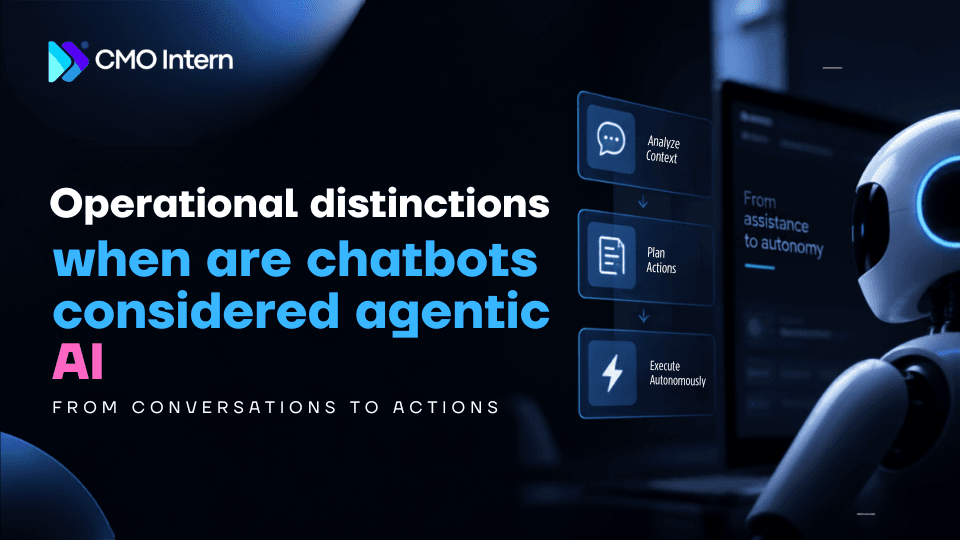
Defining the threshold for agentic behavior
Chatbots are generally not considered agentic AI unless they possess the capability to plan, reason, and execute multi-step tasks across external environments without constant human prompting. While a standard chatbot functions as a reactive interface for text retrieval, an agentic system acts as an autonomous operator that manages its own workflow to achieve a defined goal. As organizations scale these systems, they must also consider the environmental cost of AI, as the compute power required for autonomous loops is significantly higher than simple text generation.
Core mechanisms of agentic autonomy
The transition from a simple interface to an agent relies on three specific technical components: perception, planning, and action. A reactive chatbot waits for a user message, processes it through a language model, and returns a response.
An agentic system, by contrast, utilizes a loop where it breaks down a complex request into a sequence of sub-tasks. It then selects the appropriate tools—such as a database query, an API call, or a file manipulation script—to execute those tasks sequentially. This recursive process allows the system to verify its own progress and adjust its strategy if a step fails, a feature absent in standard conversational models.
Case study: Customer support automation in practice
Consider a retail support scenario where a customer requests a refund for a damaged item. Many businesses struggle with why chatbots fail in business, often because they provide a link to a generic refund policy page or ask the user to fill out a static form instead of solving the problem.
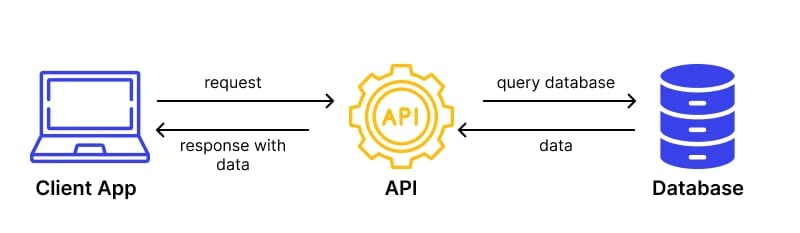
An agentic AI system, however, initiates a multi-step workflow. It first authenticates the user's order ID against the CRM database, checks the return eligibility based on the purchase date, and then triggers an API call to the warehouse management system to generate a shipping label. Finally, it confirms the action to the user via email.
Executing multi-step workflows
The power of this implementation lies in tool-use capabilities. By integrating with platforms like Zendesk or Salesforce, the agent acts as a proxy for a human support representative. It does not just simulate conversation; it performs the actual administrative labor required to close the ticket. For those looking to build these systems, there are now European companies building the infrastructure necessary to support such complex agentic deployments.
This requires the model to maintain state, meaning it remembers the outcome of the CRM check before moving to the shipping label generation, ensuring that every step is logically dependent on the previous one.
Limitations in current agentic chatbot implementations
Despite the promise of autonomy, agentic systems face significant risks, particularly regarding reliability and scope creep. When an AI is granted the authority to execute actions, it can easily misinterpret a command or fall into infinite loops if the environment provides unexpected feedback.
Unlike a static conversational interface, which at worst provides an incorrect answer, an agentic system can perform incorrect actions, such as deleting data or issuing unauthorized refunds, if the guardrails are insufficient. Developers must also be wary of what chatbots have no filter, as unfiltered outputs can lead to significant brand damage.
Error propagation in autonomous loops
The primary danger in agentic systems is recursive error propagation. If an agent fails to correctly parse a database response, it may attempt to 'fix' the error by retrying the same incorrect action, potentially locking accounts or corrupting records.
Without human-in-the-loop oversight for high-stakes decisions, these systems lack the common sense to stop when they are clearly failing. Developers must implement strict 'circuit breakers'—pre-defined conditions that force the agent to halt and request human intervention before proceeding with sensitive operations.
Evaluating if are chatbots considered agentic ai in your stack
To determine if your current tools qualify as agentic, audit your stack for the presence of autonomous decision-making loops. If your chatbot requires a human to click 'approve' for every external action, it is a semi-autonomous assistant, not a fully agentic system.
A truly agentic implementation is defined by its ability to select its own tools and iterate through a task list independently. If you are interested in the development side, you might research how to make a chatbot with python to better understand the underlying logic required for these autonomous loops. You can test this by providing a vague, multi-part prompt that requires the model to query multiple data sources before synthesizing a final output. If the model asks clarifying questions or fails to chain the necessary tool calls, it remains a standard conversational interface.
Key performance indicators for agentic success
When deploying these systems, focus on metrics that measure task completion rather than just conversation quality. Track the 'Task Success Rate' (the percentage of workflows completed without human intervention) and the 'Tool Call Accuracy' (how often the agent selects the correct API or function for a given sub-task).
Monitoring these KPIs provides a clear view of whether your AI is functioning as an autonomous agent or merely a sophisticated text generator. Additionally, track 'Human Intervention Rate' to identify where the agent consistently struggles, which often highlights gaps in the provided tool definitions or system instructions.
Frequently Asked Questions
Technical differences between chatbots and LLMs
No. An LLM is the underlying engine that processes text, while a chatbot is the interface or application that uses an LLM to interact with users.
Data tracking protocols in AI chatbots
Most commercial chatbots store conversation logs to improve model performance and provide context, though privacy policies vary significantly by provider.
Medical advice limitations in chatbot systems
No chatbot should be used for medical advice. Always consult a licensed healthcare professional for any medical concerns.
Image generation capabilities in modern chatbots
Yes, if the chatbot is integrated with image generation models like DALL-E or Midjourney, it can translate text prompts into visual content.
Troubleshooting common chatbot performance issues
Common reasons include API connection timeouts, invalid authentication tokens, or the model reaching its context window limit.
Operational mechanics of chatbot architecture
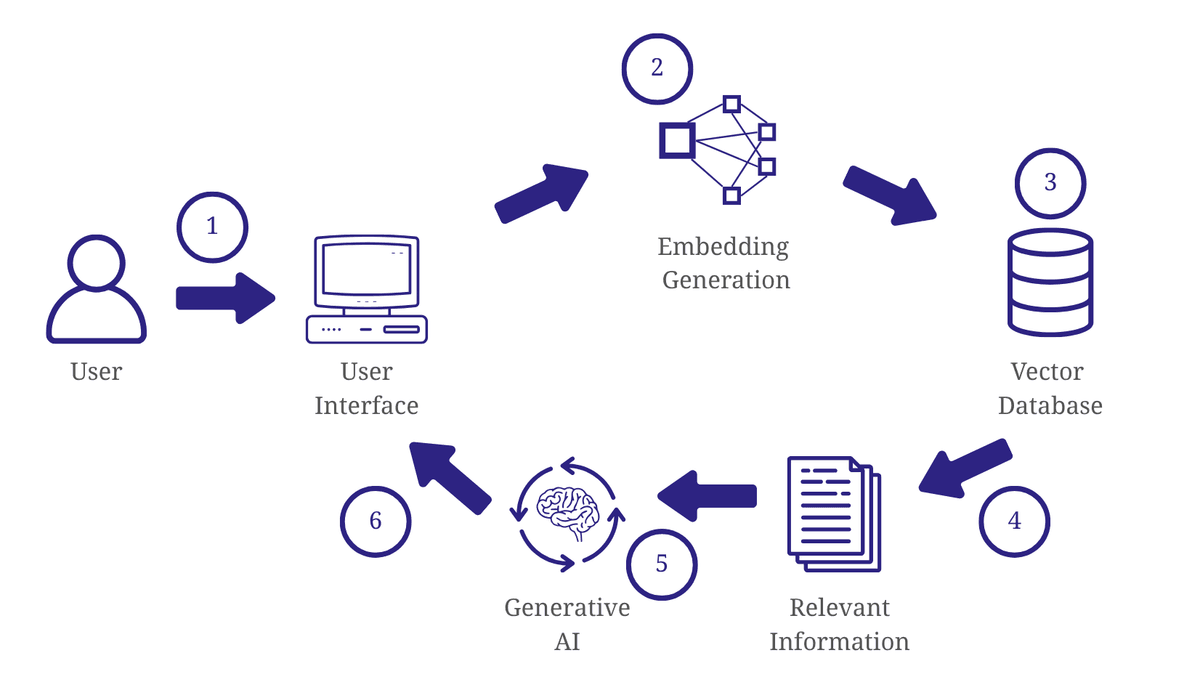
A chatbot works by receiving user input, processing it through a natural language model to determine intent, and generating a response based on its training data or integrated tools.

